
Why You Shop When You're Lonely (and How to Stop)
Loneliness can make online shopping feel like comfort or company. Here is why it happens, and how to interrupt the pattern without shaming yourself.

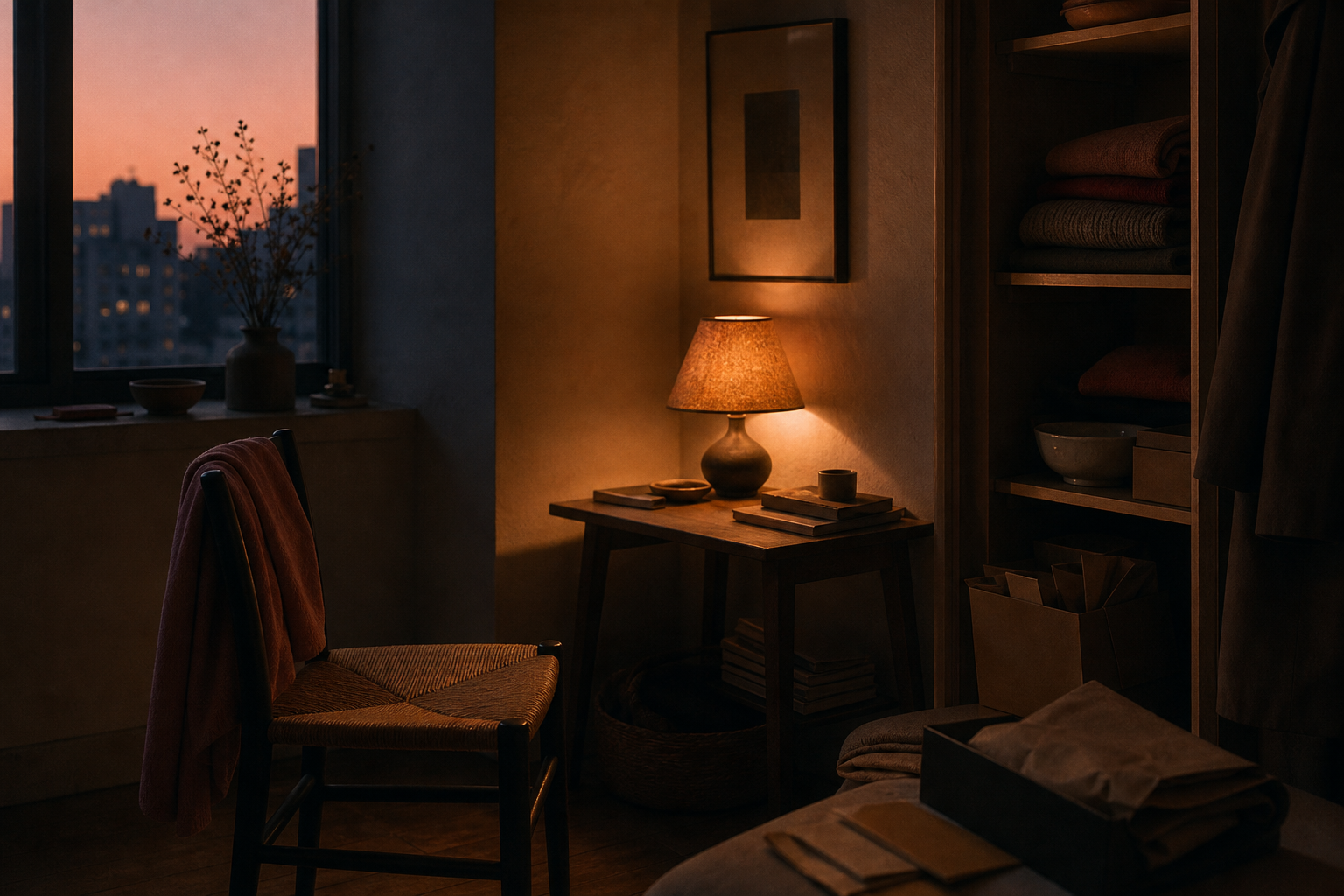
Sometimes you are not shopping because you need something. You are shopping because the evening feels flat, nobody texted back, and buying something creates a small event in the silence.
If you shop more when you feel lonely, there is a reason. Shopping can mimic what loneliness is actually asking for: stimulation, comfort, hope, and a brief sense of being accompanied by something happening. That does not make you irrational. It makes you human.
The catch is that a purchase can only do that job for a short time. Then the package becomes ordinary, the feeling drops, and you are left with the same loneliness plus one more charge on your card.
Once you see the loop clearly, it gets easier to interrupt.
Why loneliness can turn shopping into comfort
Loneliness is not always dramatic. Sometimes it feels sharp and obvious. Sometimes it just feels like a quiet lack of warmth, contact, or emotional texture.
When that happens, your brain starts looking for something that changes the state. Online shopping is very good at offering tiny emotional lifts on demand. There is novelty, movement, possibility, and a feeling that maybe this small thing will change the tone of the day.
That is part of why shopping can start to feel soothing when you are alone. It is not only about the product. It is about what the purchase temporarily replaces.
It creates anticipation
Anticipation is powerful. When you buy something, you do not only get the object later. You get a short emotional storyline right now.
You can picture it arriving. You can imagine opening it. You can imagine yourself feeling better, more put together, more comforted, or just less stuck. That future-facing feeling can be especially appealing when your present moment feels emotionally thin.
It gives you a small sense of connection
This sounds strange at first, but a lot of shopping behavior is relational. A brand speaks to you. An ad seems to know what mood you are in. A creator recommends something that feels personal. A package shows up at your door.
None of that is real closeness. But when you feel disconnected, it can still register as contact.
It offers a cleaner problem than loneliness
Loneliness is messy. It can bring up rejection, boredom, self-doubt, grief, or the uncomfortable feeling that your life is too quiet. A purchase feels simpler. Should I buy this or not?
That is a much easier problem to solve than "What do I actually need right now?"
This is part of why retail therapy backfires. The purchase gives you a problem with edges. The feeling underneath is still there when the moment passes.
What online shopping gives you in the moment

If you want to stop the habit, it helps to name what the habit is doing for you. People usually do not keep repeating a behavior that gives them nothing. The reward may be short, but it is real enough to keep the loop alive.
A mood shift
Scrolling products can change your internal weather fast. It gives your mind somewhere to go. Colors, options, reviews, wishlists, carts, and recommendations create activity where there was blankness a minute ago.
That is one reason online shopping feels so hard to resist. It is not just selling products. It is selling stimulation.
A fantasy of rescue or reinvention
Loneliness often makes people more vulnerable to fantasy-self purchases. You are not only buying shoes, skincare, headphones, kitchen tools, or decor. You may be buying a picture of a fuller life. A more social life. A life that looks less empty from the inside.
That is close to the pattern in buying things for your fantasy self, but loneliness adds a particular ache. The purchase starts to feel like proof that something brighter is still possible.
Relief from having to sit with the feeling
Sometimes the strongest reward is not pleasure. It is relief.
Browsing distracts you. Comparing products absorbs attention. Checking out gives you something concrete to do. For a little while, you do not have to sit inside the emptiness as directly.
That relief is real. It is also expensive if buying becomes your regular way to manage disconnection.
Signs you are buying to soothe loneliness
Not every purchase made alone is loneliness spending. The pattern is usually easier to spot when you look at timing, mood, and what happens after checkout.
You shop most when the day goes quiet
Maybe the urge spikes at night. Maybe it shows up after social plans fall through. Maybe it appears on weekends, after work, or during the strange lull between wanting company and not knowing who to call.
If the shopping urge tracks those emotionally empty windows, that tells you something. The same quiet-window pull shows up in shopping when you're bored, and the two patterns often overlap.
The item matters less than the process
You keep browsing even when nothing stands out. You open the same apps automatically. You add things to your cart without strong conviction. The act of looking is doing more work than the product itself.
That is a clue that the real goal may be emotional regulation, not buying something useful.
The purchase feels meaningful before it arrives, then flat afterward
Before checkout, the item feels charged. After it arrives, it can feel weirdly ordinary. That emotional drop is common when the thing you were really buying was anticipation.
You feel a little more alone after spending
This is the part that stings. The purchase gives temporary lift, then the contrast makes the original feeling more visible. Now you are still lonely, but you may also feel guilt, clutter stress, or frustration with yourself.
That does not mean you failed. It means the strategy did not solve the problem it was trying to solve.
How to stop shopping when you feel lonely
You do not need to judge yourself into better habits. In most cases, that makes the urge louder, not quieter. What helps more is adding friction, recognition, and a different form of comfort.
1. Name the feeling before you open the app
Try asking yourself one direct question: Am I shopping for the item, or am I shopping because I do not want to feel this right now?
You do not need a perfect answer. Even naming loneliness, restlessness, or emotional flatness can weaken the automatic pull.
2. Delay the purchase, not your feelings
A lot of people try to white-knuckle the urge. It usually works better to make the purchase wait while you respond to the actual feeling.
That is where creating friction before you buy helps. Save the item. Close the tab. Put it on a list. Give yourself even ten minutes before deciding.
The delay matters because loneliness often creates urgency that is emotional, not practical.
3. Translate the price into work hours
This is one of the cleanest ways to bring yourself back to reality. When a purchase is acting like comfort, it can stop feeling like money. Turning the price into time changes that.
If this costs three hours of work, is it still the kind of comfort you want? The cost in work hours is often easier to feel than the price tag.
That is exactly why paus can help. It slows the moment down and shows what the purchase actually costs in work hours before you follow the feeling all the way to checkout.
4. Replace the ritual, not just the item
If browsing has become your companionship ritual, you need another ritual ready. Not a perfect one. Just one that helps enough.
That might be:
- texting one person instead of waiting to feel chosen
- going for a ten-minute walk without your shopping apps
- making tea and listening to one voice note or podcast episode
- writing down what you wish the purchase would make you feel
- moving the item to a wishlist and revisiting it tomorrow
The point is not to create a flawless self-care routine. It is to give loneliness somewhere else to go.
5. Make your lonely-hours defaults gentler
If you already know when the urge tends to hit, design for that. Log out of your most tempting shopping apps. Move them off your home screen. Unsave your card details. Keep a short "what I actually need right now" note in your phone.
Small design changes matter because lonely shopping is often less about one dramatic decision and more about what is easiest in a vulnerable moment.
What to do instead when the urge hits
There is no substitute that works every time. But some options match the real need better than shopping does.
If the urge to buy something shows up when you feel alone, try to give yourself one of these instead:
Contact
Send the low-pressure text. Reply to the friend you have been meaning to answer. Share a meme. Ask a simple question. Reactivate a thread.
It does not need to become a deep conversation to soften the feeling.
Texture
Loneliness is often a low-texture state. Change the room a little. Put on music. Step outside. Light a lamp. Sit somewhere different. Let your environment do some of the work that shopping was doing.
Honest comfort
Sometimes you do need comfort. Just not necessarily in the form of a package.
Ask what would feel genuinely kind right now: food, rest, movement, a shower, company, sleep, or simply admitting that today feels off. That answer may be less glamorous than buying something. It is often more effective.
Loneliness is real. Buying something is only a stand-in.
If you shop when you feel lonely, the goal is not to become hyper-disciplined. The goal is to notice when a purchase is being asked to do emotional work it cannot do for long.
Shopping can offer novelty, anticipation, and a brief sense that something is happening. What it usually cannot offer is the thing loneliness is actually asking for. That is why the feeling often comes back so quickly.
The next time the urge shows up, try giving yourself a pause before you give yourself a package.
And if you want help creating that pause, try paus. It can help you slow the decision down, see the price in work hours, and choose from a calmer place instead of a lonelier one.
FAQ
Does loneliness cause impulse buying?
It can. Loneliness often makes people seek comfort, stimulation, and anticipation. Online shopping can provide all three for a short time, which is why it can become a go-to response.
Why does buying something make me feel better when I am lonely?
A purchase can create novelty, a sense of possibility, and something to look forward to. That emotional lift is real, but it usually fades quickly because it does not solve the loneliness underneath.
How do I stop shopping when I feel lonely?
Start by naming the feeling, delaying the purchase, and replacing the browsing ritual with a different form of comfort or contact. Tools like paus can also help by slowing the decision down before checkout.
Is lonely shopping the same as retail therapy?
It overlaps, but lonely shopping is more specific. The spending is often tied to disconnection, emptiness, or wanting contact, while retail therapy is a broader idea about using spending to regulate emotions.