
What Is Retail Therapy? Why It Feels Good and Why It Backfires
Retail therapy can feel soothing because buying gives you a quick sense of relief, reward, or control. Here is what retail therapy really is, why it works for a minute, and how to stop letting it run your spending.

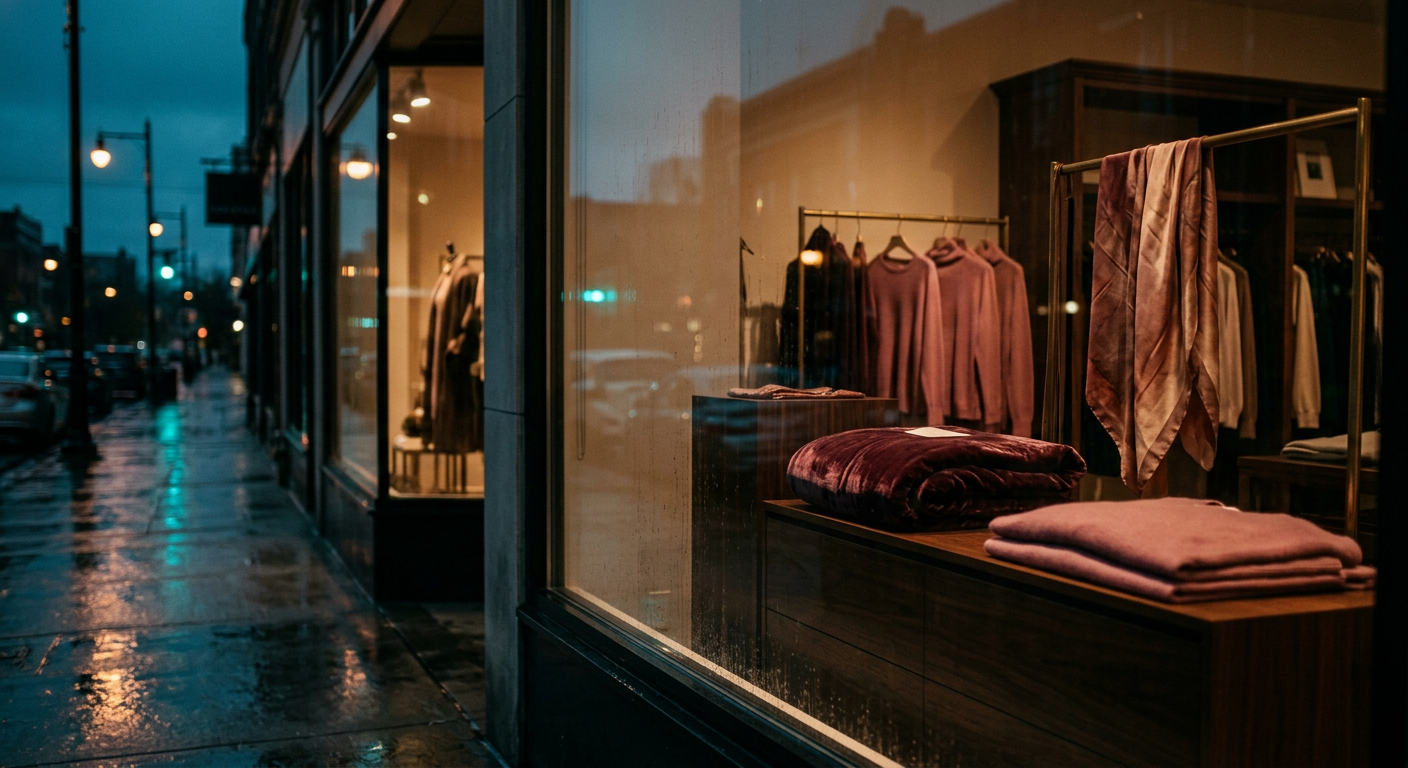
Retail therapy is shopping that is really mood repair. You buy something not because you need it, but because you want the feeling the purchase promises: relief, reward, control, or a small break from the day.
If you have ever bought something because you felt stressed, flat, lonely, irritated, or just emotionally done with the day, you already recognize the pattern. You feel off. You open a shopping app. You browse. Something catches you, and the item starts to feel like a small lift, a reset, or proof that the day was not all friction.
For a moment, it works. That is what makes retail therapy tricky. It is not fake. It really can change your emotional state for a little while. The problem is that the relief usually fades faster than the charge on your card.
If you keep using shopping to feel better, the goal is not to shame yourself or act like wanting comfort is irrational. It is to understand what the purchase is doing for you, so you can decide more clearly whether it is worth the cost.
What is retail therapy?
Retail therapy means using shopping or buying as a way to improve your mood.
Sometimes that looks like buying a small treat after a bad day. Sometimes it looks like stress-ordering something online, wandering through a store when you feel low, or adding things to your cart because the act of choosing feels soothing.
The item itself is not always the main point. Often, the real goal is emotional movement. You want relief. You want novelty. You want comfort. You want a sense of control. You want to feel less stuck than you did ten minutes ago.
That is why retail therapy is better understood as a coping behavior than a money category. It is shopping, yes. But more specifically, it is shopping that is doing an emotional job.
That job might be:
- lifting your mood
- rewarding you after stress
- helping you escape boredom
- giving you something to look forward to
- helping you feel more put together, more prepared, or more like yourself again
None of that makes you shallow. It makes you human.
The catch is that shopping is very good at producing short-term emotional change, and very bad at solving the deeper thing that made you reach for it.
Why retail therapy feels good in the moment
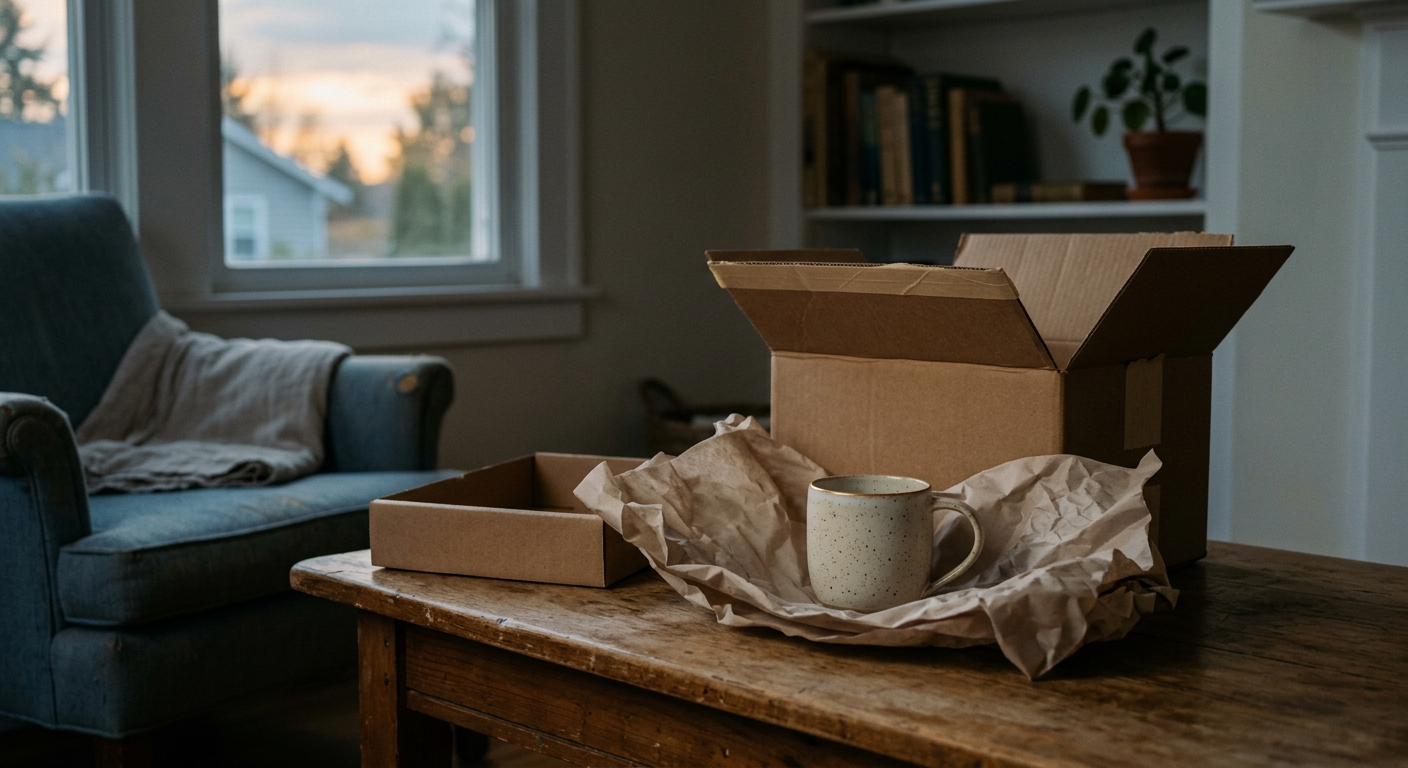
Retail therapy works because it gives your brain several quick rewards at once.
First, there is anticipation. Even before you buy anything, browsing can make life feel more open. You move from whatever mood you were in into a space full of possibility, color, choice, and imagined improvement.
Then there is control. If the rest of the day felt messy, shopping gives you a small zone where you get to choose. You pick the thing. You approve the upgrade. You decide what happens next.
Then there is reward. A purchase can feel like a tiny emotional exhale. You were tense. Now you have done something nice for yourself. Even if the thing is small, the emotional message can be big: I get to have something good.
And then there is identity. A lot of purchases come with a story. These shoes are for the version of me who goes out more. This notebook is for the version of me who gets organized. This skin care is for the version of me who starts taking care of myself properly.
That imagined future can feel quietly comforting.
So if you have ever thought, "Why does shopping make me feel better?" the answer is not just dopamine in the vague internet way people throw that word around. It feels good because it gives you movement, agency, novelty, and emotional hope. That is a strong mix.
How retail therapy is different from other emotional spending
Retail therapy is a flavor of emotional shopping, the broad pattern of buying to change how you feel. The difference is the shape of the loop.
Emotional shopping is the umbrella term: any purchase doing an emotional job, whatever the feeling behind it. Retail therapy is the specific, culturally familiar version, the one with the "treat yourself" framing. It usually sounds like: I had a hard day, I earned this, or I need something that makes me feel a bit better right now. The mood-repair loop is the engine.
Two close cousins are worth naming. Spending after a bad day at work is mood-repair shopping with one specific trigger: you are buying back what the workday took from you. Impulsive spending is about the act, an unplanned purchase. Retail therapy is about the motive, and it does not have to be impulsive. A fully planned "treat" can still be retail therapy if the real purpose is mood repair.
The distinction matters because the fix differs. Impulse control helps with unplanned buys. It does not help much when the purchase was planned, wrapped in a reward story, and serving a mood you never named.
Why retail therapy backfires so often
The problem is not that the feeling is fake. The problem is that it is temporary.
The purchase changes your state for a minute, but it usually does not change the condition underneath it. If you were stressed, the stress is still there. If you were lonely, bored, disappointed, overwhelmed, or craving comfort, the package may soften the moment without fixing the cause.
Sometimes the crash is quick. You place the order, and almost immediately the spell weakens. The item starts to feel less magical. The money feels more real. You wonder whether you actually wanted it or just wanted the feeling around it.
Sometimes the crash comes later. It shows up when the bank balance feels tighter, when another small charge lands, when the package arrives and feels less exciting than expected, or when you notice how many purchases were made from the same mood.
Retail therapy also backfires because it teaches your brain a quiet lesson. It says: when you feel bad, go buy something. The more often that loop runs, the more automatic it becomes.
That is how emotional spending stops feeling like an occasional thing and starts becoming a reflex. You are no longer deciding fresh each time. You are following a well-worn route to relief.
Signs shopping has become emotional coping
Not every fun purchase is retail therapy. Buying something you enjoy is not a moral failure. Sometimes a purchase is thoughtful, wanted, and completely fine.
The pattern becomes worth looking at when the emotional function starts outweighing the actual value of the item. A few signs usually show up.
You shop most when your mood drops
The urge gets stronger after stress, conflict, boredom, exhaustion, or disappointment.
Browsing feels soothing even before buying
Sometimes the payoff starts long before checkout. Looking, saving, comparing, and imagining already changes your state.
The item matters less than the feeling around it
If you lose interest soon after buying, the emotional hit may have been the real product.
You tell yourself it is a reward
That can be true sometimes. But if nearly every hard day ends with a treat, the reward story may be covering a coping loop.
You feel oddly flat once the purchase is done
This is one of the clearest signals. The yes felt exciting. The after feels thinner.
The spending looks small one purchase at a time but heavy in total
Retail therapy is often built from "nothing dramatic" decisions that quietly pile up. If that sounds familiar, you might also relate to why small purchases don't feel like real money.
Why online shopping makes retail therapy easier to fall into
Online shopping removes almost every pause that used to slow emotional spending down. You do not need to leave the house. You do not need to wait for a store to open. You do not need to carry cash, stand in line, or think very hard. You can move from feeling bad to seeing, wanting, and buying in a matter of seconds.
That speed matters. A lot of emotional spending depends on not being interrupted. The faster the path from mood to checkout, the less chance you have to notice what is happening.
That is why shopping apps can become such strong comfort tools. They are available at exactly the moment your judgment is lowest: late at night, after work, during a slump, during stress, during mindless scrolling. If this happens to you often, how to stop opening shopping apps on autopilot may help too.
How to stop retail therapy without becoming harsh with yourself
The answer is not to become colder, stricter, or more ashamed. Usually that backfires too. If shopping is serving an emotional purpose, you need another way to slow the moment down and make the decision more honest.
A few things help.
Name the feeling before you name the item
Before you buy, ask:
- what am I feeling right now?
- what do I want this purchase to change?
- do I want the item, or do I want relief?
That question matters. A lot of emotional spending weakens once it is seen clearly. If you need help with that distinction, how to know if you actually want it or just want relief goes deeper.
Add one pause before checkout
Do not force a dramatic life overhaul. Just interrupt the speed. Close the tab. Put the item on a list. Wait until tomorrow morning. Move it out of the cart and into a more deliberate space.
That is where paus can help. Instead of buying in the heat of the moment, you can put the purchase on paus, come back later, and decide when your mood is quieter.
Translate the price into work hours
Emotional spending often works because the price stays abstract. Time is harder to romanticize.
When you turn a purchase into work hours, the decision gets more grounded. The question becomes less "Will this cheer me up?" and more "Is this worth the time of my life it costs?" That is one reason paus is useful in these moments. It helps make the tradeoff feel real before you tap yes.
You can also read how to turn a price into work hours before you buy for a fuller walkthrough.
Look for the repeat moods
Most emotional spending is not random. It clusters. Maybe you shop when you feel under-rewarded. Maybe after work. Maybe after arguments. Maybe when you are tired and want a softer landing. Once you know the mood, you have a better chance of catching the pattern early.
Build a short list of non-buying relief options
This does not need to be impressive. It just needs to be real enough to compete. That might be:
- taking a walk without your phone
- making tea
- texting someone
- taking a shower
- lying down for ten minutes
- making a private wish list without buying
- doing one tiny reset task that gives you actual control
The point is not to create perfect wellness behavior. It is to give your brain another route when it wants a fast mood shift.
When a purchase is comfort and when it is avoidance
This is the subtle part. Sometimes buying something nice is fine. Pleasure is allowed. Comfort is allowed. Enjoying your money on purpose is allowed.
The difference usually comes down to clarity. A comfort purchase tends to feel chosen. You know what you are buying. You know why. You still want it when the mood settles. The cost feels acceptable. There is no weird emotional fog around the decision.
Avoidance spending feels different. It feels urgent. It feels loaded. It feels like the item is carrying more emotional meaning than it can really hold. The yes happens fast, and the confidence does not last.
If you want a simple test, ask this: would I still want this if I already felt okay? That question cuts through a lot.
Retail therapy is understandable. It just gets expensive when it becomes your default
People reach for shopping because it works well enough to repeat. That is the whole issue. It gives relief, stimulation, fantasy, and control fast enough that your brain remembers it.
You do not need to judge yourself for that. But you do want to notice when the emotional payoff is becoming more important than the thing itself. That is usually the moment to slow down.
If you want a calmer way to catch retail therapy before it turns into another automatic yes, try paus. It helps you step out of the mood, put the purchase on pause, and see what it really costs in work hours before you decide.
FAQ
Is retail therapy a real thing?
Yes. Retail therapy usually means shopping or buying to improve your mood, reduce stress, or create a quick feeling of reward or control.
Is retail therapy the same as emotional shopping?
Retail therapy is one flavor of emotional shopping. Emotional shopping is the broad pattern of buying to change how you feel. Retail therapy is the specific version with the "treat yourself" framing: a purchase that is really mood repair, often after a hard day or a low mood.
Why does retail therapy feel so good?
Because it gives you novelty, anticipation, choice, and emotional movement fast. The problem is that the lift is often short, while the cost lasts longer.
Is retail therapy always bad?
No. Buying something enjoyable is not automatically unhealthy. The issue is when shopping becomes your default coping tool and the emotional relief matters more than the purchase itself.
How do I stop using shopping to feel better?
Notice the feeling that comes before the urge, and name it as mood repair rather than a need for the item. Then add one pause before checkout, use work-hours framing, and keep a few non-buying ways to change your state.