
How to Know If You Actually Want It or Just Want Relief
A calm guide to spotting when a purchase is really about relief, not desire, and how to slow the moment before you buy.

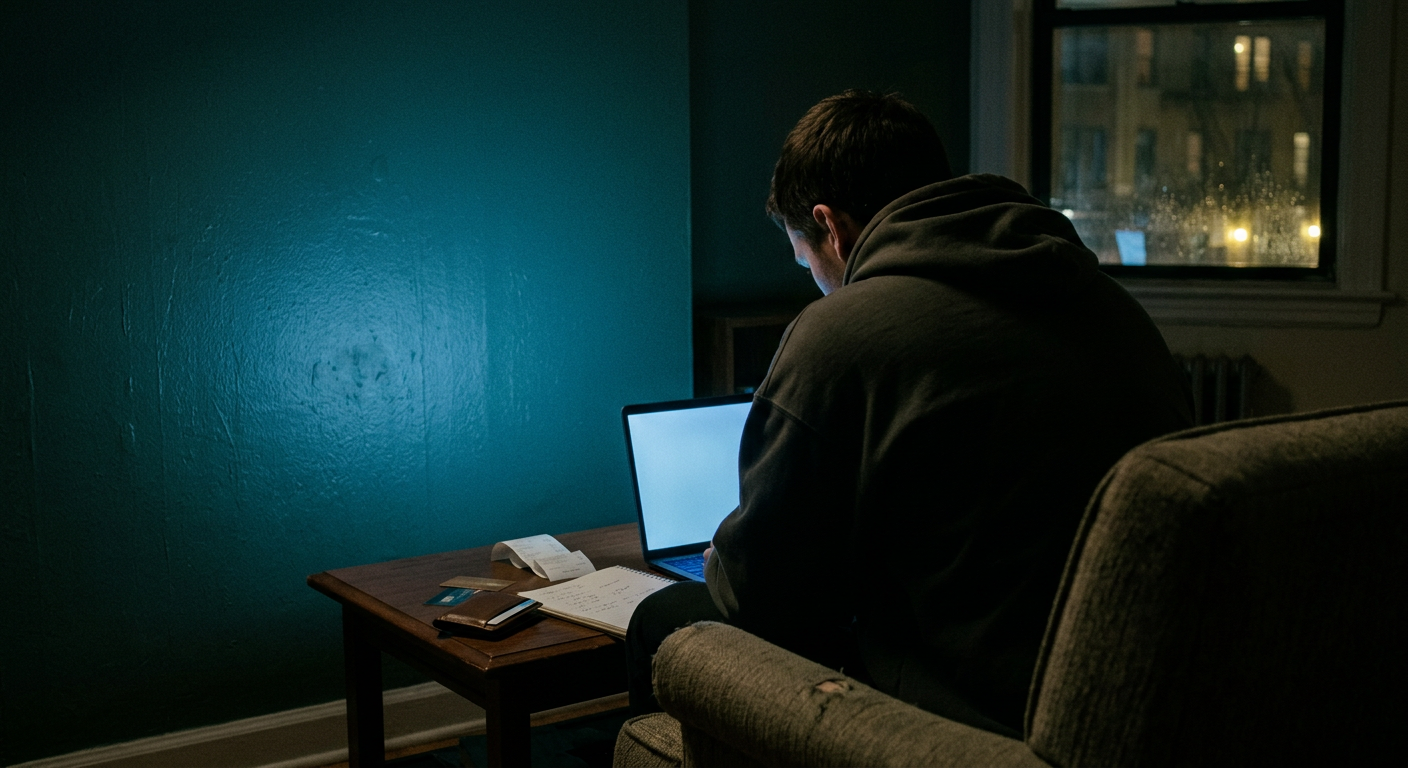
Sometimes the hardest part of buying something is not the price. It is being honest about what you are really trying to get.
You tell yourself you want the item. Maybe you do. But sometimes what you want even more is the feeling you expect it to give you.
Relief. Comfort. A reset. A reward. Something that changes the mood of the moment.
That is part of why emotional spending can be so confusing. The urge can feel clear, urgent, even sensible. But what you are reaching for may not be the thing itself. It may be relief from stress, loneliness, boredom, insecurity, or mental overload.
If you have ever bought something and realized a few hours later that you did not even care about it that much, this is probably familiar.
What relief buying actually feels like
Relief buying usually has a certain emotional texture.
It feels less like steady desire and more like pressure. There is often a sense that buying the thing will smooth something over. Maybe the day feels heavy. Maybe you feel flat. Maybe you want a quick emotional shift.
The purchase starts to look like an answer.
That is why these moments can be hard to catch. You are not only evaluating an object. You are trying to change a feeling.
The item can be clothes, skincare, tech, food, home decor, or something small and random. The category does not matter as much as the emotional job the purchase is being asked to do.
7 signs you may want relief more than the item

You do not need all seven. Even two or three can tell you a lot.
1. The urge feels intense, but only in this exact mood
If the purchase suddenly feels extremely important when you are stressed, tired, hurt, or restless, that is worth noticing.
Real desire usually survives a mood change. Relief buying often fades once your nervous system settles down.
2. You care more about buying than owning
Sometimes the most satisfying part is not having the thing. It is clicking, checking out, and getting the emotional release that comes with it.
That is a strong clue that the purchase is doing emotional work.
3. You have trouble explaining why you want it
If you ask yourself, "Why this one, specifically?" and the answer feels vague, you may not be responding to the item itself.
You may just want a feeling shift.
4. The purchase starts to feel like a reward you deserve right now
There is nothing wrong with rewarding yourself. But if the internal logic becomes, "I had a hard day, so I need this," the purchase may be functioning more like relief than real want.
5. You do not want to wait
Urgency is one of the clearest signals.
If even a short pause makes the desire feel irritating or threatening, the emotional charge may be stronger than the genuine value of the item.
6. You imagine the feeling more than the item
You picture feeling lighter, calmer, prettier, more in control, more put together, more excited.
That fantasy can be very convincing. But it is often about identity or mood, not the actual object.
7. The item loses meaning quickly after purchase
If you keep ending up with things that feel emotionally loud before checkout and emotionally flat afterward, the pattern is telling you something.
It usually means the purchase was carrying more emotional hope than actual usefulness.
Why emotional relief can feel like certainty
One reason this pattern is so tricky is that relief can disguise itself as clarity.
When you are emotionally uncomfortable, your brain wants movement. Buying something feels like movement. It gives you a decision, a direction, and a fast hit of change.
That can feel a lot like certainty.
But certainty is not always the same thing as truth.
Sometimes it is just urgency dressed up as clarity.
That is why so many reactive purchases make perfect sense in the moment and then feel strangely hollow later.
What to do before you buy in that state
You do not need to shame yourself out of the urge. Usually that just adds more emotional noise.
What helps more is asking a better question and creating a little distance.
Try this:
- ask, "Would I still want this tomorrow if I felt okay right now?"
- name the feeling before naming the item
- move the item to a pause list instead of checking out
- wait long enough for the emotional wave to soften
- look at the cost in work hours, not just money
The goal is not to make every answer no.
The goal is to stop letting temporary emotional discomfort make the decision for you.
How time-cost thinking helps
When you are in relief mode, price can feel strangely unreal. Time often feels more honest.
A purchase that looks harmless in currency can feel different when you see it as two hours of work, or half a day, or a whole evening you traded for it.
That shift matters because relief buying often depends on emotional fog. Work-hours thinking cuts through some of that fog.
It does not tell you what to do. It just makes the tradeoff harder to ignore.
And that small moment of honesty can be enough to change the decision.
A pause can tell you more than a purchase can
If you are not sure whether you actually want something or just want relief, that uncertainty is useful. It means you still have a chance to slow the moment down.
You do not need more guilt. You do not need to become perfectly disciplined. You just need enough space to hear yourself clearly.
That is what paus is for.
If you want a calmer way to step back before a reactive purchase, try paus. It helps you pause an item, come back later, and see what it really costs in work hours before you decide.
FAQ
Is relief buying the same as emotional spending?
Usually it falls under emotional spending, yes. Relief buying is one version of it. The main pattern is that the purchase is trying to change how you feel.
Does this mean I should never buy things when I am emotional?
No. It just means emotional intensity is useful information. If the urge disappears when your mood changes, that tells you something important.
How long should I wait before buying?
There is no perfect rule, but even a short pause helps. Ten minutes can be useful for smaller purchases. A day or more is often better for anything meaningful.
Why does seeing the cost in work hours help so much?
Because time is harder to glamorize. Money can stay abstract. Time feels personal and concrete.