
Why Small Purchases Don't Feel Like Real Money (And How to Make Them Feel Real)
Small purchases can feel unreal because each one slips below your brain's danger threshold. Here is why a small price stops feeling like money and how to make tiny costs feel real again.

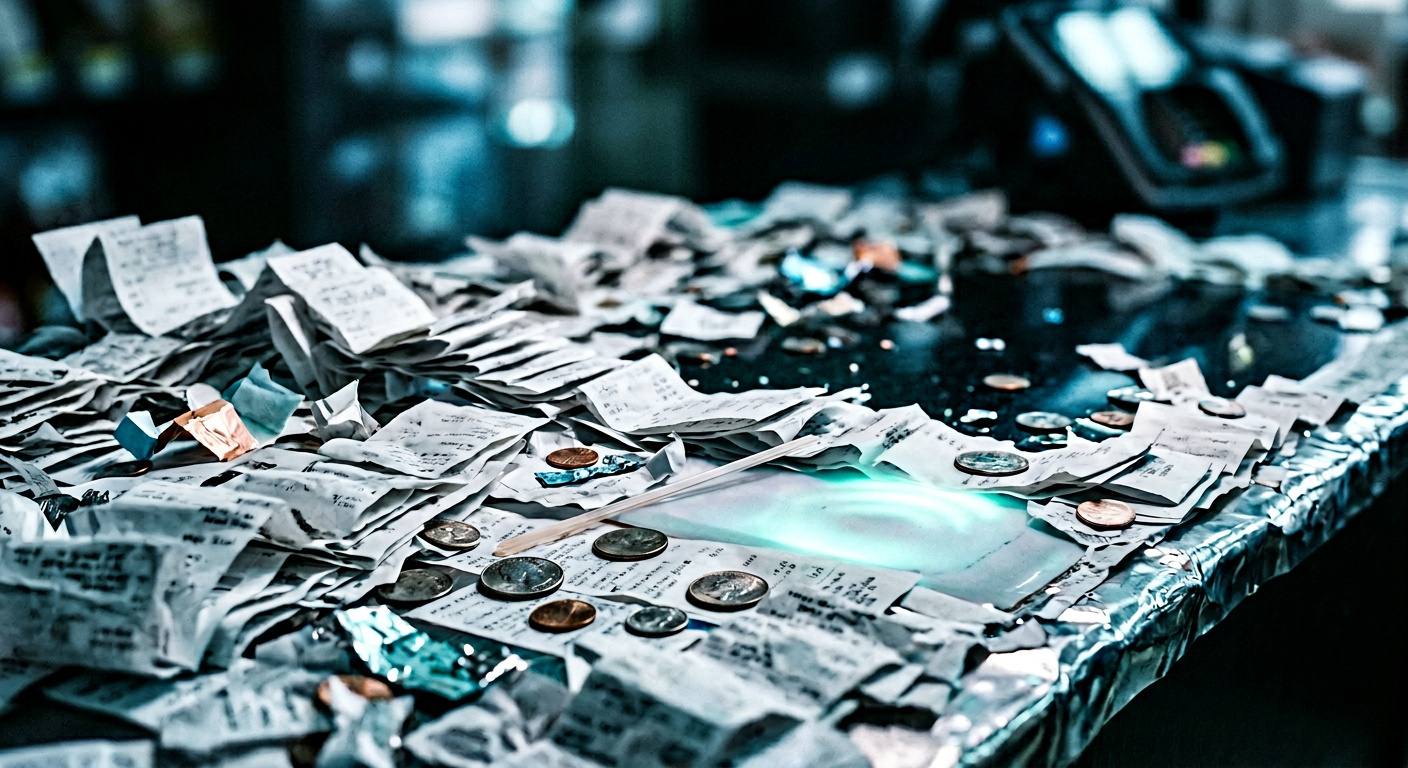
Small purchases often do not feel like real money while you are making them. A coffee here. A delivery fee there. A cheap app upgrade. None of it seems serious enough for an internal debate. Then the total shows up later, and it feels disconnected from what you remember doing.
That disconnect is not bad math or weak discipline. It is devaluation: the price is low enough to slip under your internal alarm. The amount is small enough to feel harmless, the payment is frictionless enough to feel abstract, and the purchase solves just enough of a mood or convenience problem to feel easy to justify. Each one stays below the emotional threshold that would normally trigger a real pause.
If this is a pattern for you, the fix is not to become tense about every $6 decision. It is to understand why little purchases feel unreal in the first place, then make them easier to actually notice.
This guide is about the size of the number itself: why a small price tag stops feeling like money at all. If your spending mostly shows up as daily treats you feel you deserve, buying little treats every day is a related but separate loop about frequency and how often you reach for them. And if the money vanishes because you never feel it leave, that is the separate dynamic of why digital payments make it so easy to overspend. Here we are looking at the "it is only a few dollars" mechanism itself and how to make small costs feel real again.
Why small purchases slip past your brain
Your brain does not treat every spending decision with the same level of seriousness.
Big purchases usually get attention because they clearly involve sacrifice. You notice the tradeoff. You imagine the regret. You think about whether the thing is worth it.
Small purchases often bypass that process.
The amount looks low enough to feel safe. It does not seem like something that could really matter. So your brain saves energy and labels it manageable before you have fully thought about it.
That is part of why little purchases can feel almost invisible. Each one stays below the emotional threshold that would normally trigger a real pause.
This gets even stronger when the purchase is tied to a small promise:
- this will make today easier
- this will make me feel a bit better
- this will save time
- this is cheap enough to not count
Those thoughts are understandable. They are also how background spending grows.
Why digital payments make the feeling even weaker
Small purchases feel less real when money never really changes hands in a way you can feel. A card tap. A saved payment method. One click. Face ID. The purchase is done before your brain fully catches up.
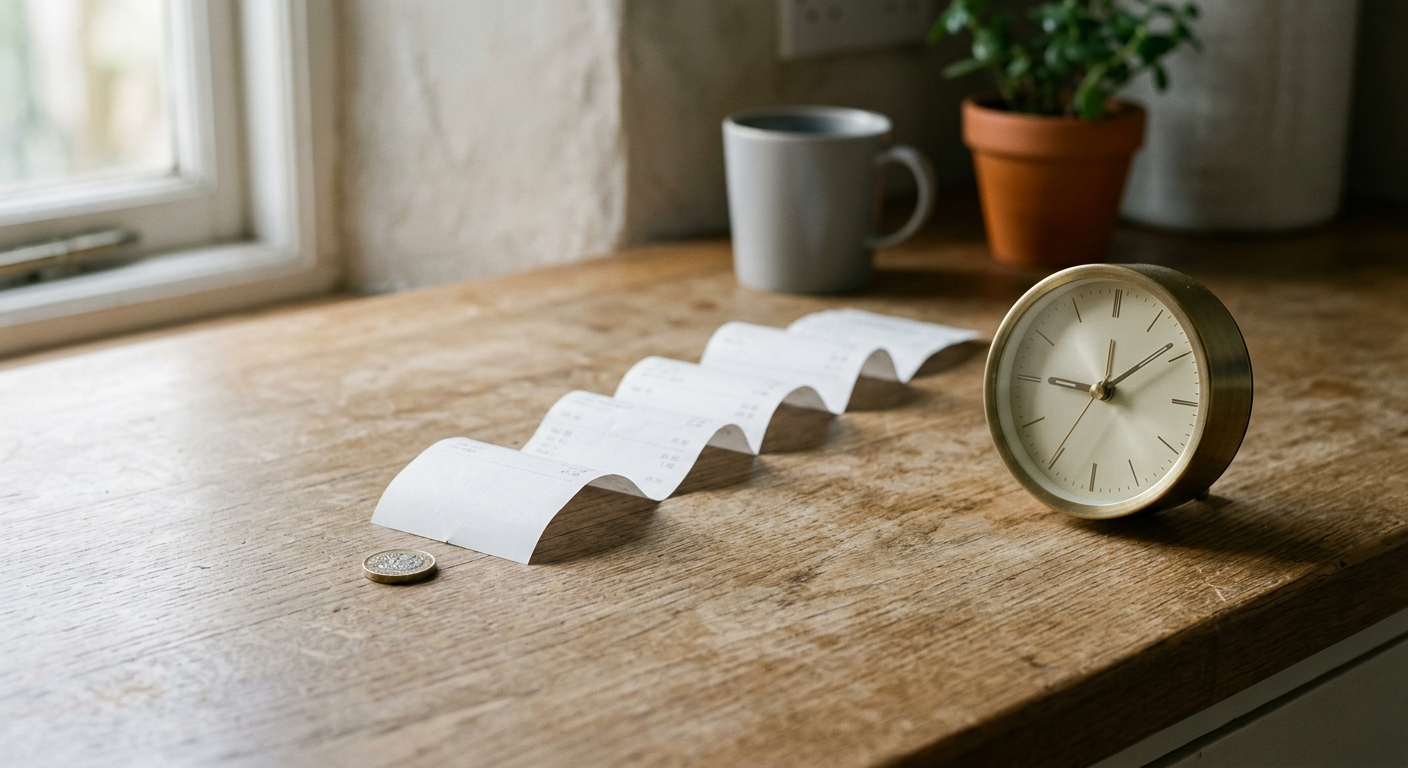
That matters because friction is part of what helps cost feel concrete. When you hand over cash, you feel the subtraction more directly. When you make a digital payment, especially inside an app or an online store, the cost stays cleaner and more distant. It is not that digital payments are bad. It is that they reduce the moment where your brain would normally register, "I am giving something up here." The full guide to digital payments and overspending covers that payment side in detail.
This is also one reason online spending can feel lighter than it really is. The product feels vivid. The payment feels muted. The same thing happens with subscriptions, add-ons, delivery fees, in-app upgrades, and tiny extras at checkout. The amount seems too small to be worth resisting, and the payment method makes the loss feel even softer. When online shopping feels so hard to resist, a lot of that comes from the environment doing the work for you.
Why little purchases add up faster than they feel
A $7 purchase does not feel like much.
Neither does another $9 purchase, or a $4 add-on, or a late-night order where the extra fee feels annoying but not serious enough to stop the checkout.
The problem is that your brain usually experiences these as separate events, not as a pattern. That makes the spending feel lighter than the total really is.
What hurts is not always one decision. It is repetition. Tiny spending becomes expensive when it is frequent, automatic, and emotionally unexamined.
That is why people are often shocked by categories like food delivery, convenience shopping, beauty extras, app purchases, or random online orders. The total is real, but the lived experience of the spending felt scattered and forgettable.
Another problem is that small spending often hides inside a story of practicality. You are not buying a luxury item. You are solving a tiny problem. You are making the day easier. You are rewarding yourself a little. You are avoiding hassle. Those reasons can be valid. But when they stack up daily, the story of "it is only a little" starts doing too much work.
Signs you have stopped noticing low-cost spending
Sometimes the clearest signal is not the amount. It is the level of automaticity. A few signs usually show up.
You say yes before you really think
The price is low enough that your brain decides almost instantly. There is barely a decision at all.
You feel surprised by the monthly total
If your transaction list keeps looking more expensive than your memory of the month, small purchases may be passing through with very little awareness.
You buy for convenience more than intention
Convenience spending is not evil. But if you keep paying to remove tiny discomforts without noticing the pattern, the total can grow fast.
You treat small prices as if they do not count
You may not say that out loud, but the behavior sounds like:
- it is just a few dollars
- it is not enough to worry about
- I have bigger money problems than this
- this is basically nothing
That logic feels harmless. Repeated often, it becomes expensive.
You rarely connect the price to your time
A small purchase stays abstract when it lives as a number only. It feels more real when you ask what it costs in time, effort, or tradeoff.
Why mood and context matter more than people think
Small purchases are often less about the object and more about the state you are in when you buy.
When you are tired, rushed, overstimulated, bored, or slightly under-rewarded, a low-cost purchase can feel like the easiest possible yes. You are not choosing between buying and not buying in some neutral vacuum. You are choosing between a small relief now and a future total you cannot feel yet. Of course relief wins a lot of the time. That does not mean you are irresponsible. It means the immediate benefit is emotionally louder than the distant cost.
This is also why small spending often clusters around certain moments:
- after work
- during app scrolling
- when you are too tired to plan ahead
- when a tiny purchase feels like a reward
- when convenience is standing next to friction, hunger, stress, or low mood
The pattern is easier to change when you notice the state, not just the transaction. If opening a shopping app has become the autopilot move in those moments, stopping the habit of opening shopping apps when you do not need anything is the closer look at that loop.
How to make small purchases feel real again
You do not need to become harsh or obsessive. You need to make tiny costs slightly more visible before the purchase happens. A few ways to do that:
Translate the price into work time
A small number on a screen can feel vague. Thirty minutes of work does not. Even when the answer is "still worth it," that translation helps break the spell of triviality. The guide to turning a price into work hours before you buy walks through the exact calculation. This is also where paus can help: it lets you pause a purchase, see the cost in work hours, and decide when the price feels more honest. Try paus if you want a calmer way to think before buying.
Group tiny purchases mentally
Instead of asking, "Is this one purchase a problem?" ask, "What happens if I make this kind of purchase four times a week?" That shifts your brain from isolated event mode into pattern mode.
Slow down convenience spending by one step
Do not remove all ease from your life. Just add one beat. Close the app for a minute. Move the item into a list. Wait until later tonight. Ask whether you would still want it if the mood changed. A small pause is often enough.
Notice the job the purchase is doing
Ask yourself:
- am I solving a real problem or buying relief?
- would this still feel necessary if I were not tired or rushed?
- is the low price making me less honest than I would be with a bigger purchase?
Those questions are simple, but they bring the purchase back into view.
Watch for your repeat categories
Most people do not leak money randomly. They leak it in a few familiar places: delivery, drinks, beauty extras, small home upgrades, digital add-ons, convenience snacks, impulse Amazon accessories. A sale tag can make the same amount feel even less real, so if that is your weak spot, the guide to stopping "it is on sale" purchases is worth a read. If you know your repeat categories, you can catch the pattern earlier.
Small purchases are not small if they own your attention
This is the part people miss. Even when the money is not catastrophic, repeated small spending can still create a feeling of drift. You stop trusting your yes. You feel like money keeps disappearing in ways that are hard to name. You get the emotional weight of spending without the clarity of having chosen well.
That is why this pattern matters. Not because every small purchase is bad, but because anything repeated without awareness starts running more of your life than it should. You do not need to fear every little expense. You just want your small yeses to actually belong to you.
If you want help making tiny prices feel real before they stack up, try paus. It gives you a calmer place to pause, see the cost in work hours, and make a cleaner decision before another small purchase disappears into the blur.
FAQ
Why don't small purchases feel like real money?
Because each one is usually too small to trigger a strong feeling of sacrifice. The amount stays below your brain's danger threshold, so it gets labeled manageable before you actually think about it. Digital payments make the cost even more abstract, so the purchase feels lighter than it really is.
Why do little purchases add up so fast?
Because your brain experiences them as separate harmless events, not as one repeated pattern. The total becomes obvious later, even though each individual buy felt minor.
How do I stop spending money on little things?
Make the cost more visible before you buy. Translate it into work time, pause convenience purchases, notice your repeat categories, and check whether the purchase is solving a real need or just a passing mood.
Are small purchases actually a problem?
Not always. The problem starts when they become automatic, emotionally invisible, and frequent enough to create spending you would not choose as clearly if it felt more real.