
How to Stop Opening Shopping Apps on Autopilot
If you keep opening shopping apps without meaning to, the problem is not just temptation. It is a habit loop. Here is how to interrupt it before browsing turns into buying.

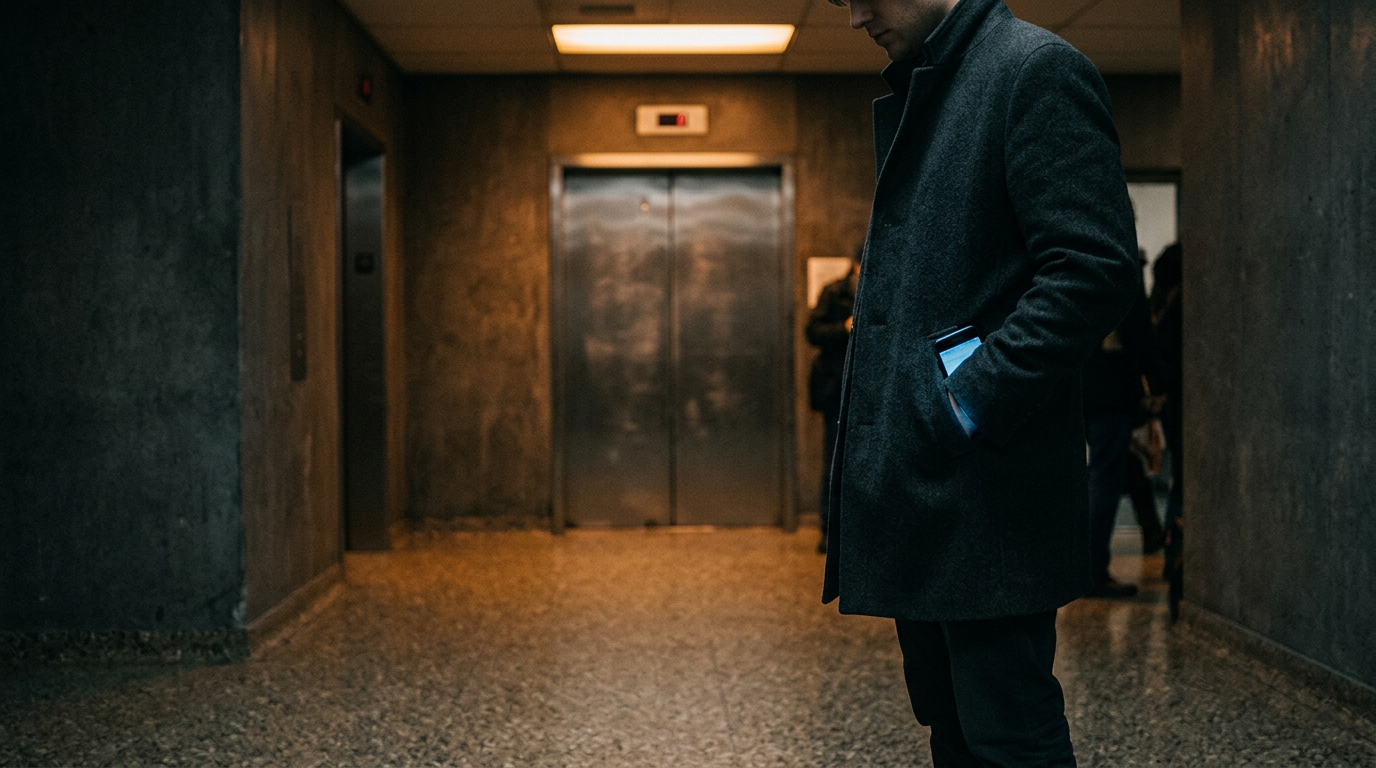
If you have ever picked up your phone to check the weather, answer a text, or kill thirty seconds in line, then somehow ended up inside a shopping app, you know how strange this habit can feel.
You were not solving a real problem. You were not even sure what you wanted. Still, there you were, looking at new arrivals, opening saved items, checking a sale, or browsing things you did not need.
That loop can make people feel embarrassed. It can also make them feel dramatic. "It is just browsing," they tell themselves.
But browsing is not nothing.
Every time you open a shopping app, you step back into an environment built to turn a passing feeling into a want.
If you want to stop opening shopping apps on autopilot, it helps to stop treating the habit like a mystery. Usually, it is not random. It is a loop.
Why shopping apps become an autopilot habit
Most autopilot phone habits work the same way.
There is a cue. Then there is a routine. Then there is some kind of reward.
With shopping apps, the cue is often small:
- a dull moment
- an awkward transition
- a stressful task you do not want to start
- lying in bed with low energy
- a notification
- seeing your phone and wanting a quick hit of stimulation
The routine is easy. You tap the app. You scroll. You look at things. Maybe you save something. Maybe you add it to cart. Maybe you do nothing and close the app.
The reward is not always buying.
A lot of the time, the reward is a quick change in state. Novelty. Relief. Fantasy. Escape. A tiny sense that something interesting might happen in the next swipe.
That is why the habit can feel so sticky even when you are trying to spend less. You are not only reaching for products. You are reaching for a feeling.
What you are usually looking for when you open them
People often assume shopping starts with desire.
Sometimes it does. Often it starts with discomfort.
You feel bored for a minute. Restless. Flat. Avoidant. A little emotionally underfed. A little mentally tired. You want a lift, but not a big one. Just enough to change the channel in your head.
Shopping apps are perfect for that. They offer movement, novelty, possibility, and low-effort emotional distraction.
You do not need to commit to anything. You just need to open the door.
That is why someone can open the same app five times in a day without planning to buy a single thing. The app is doing another job. It is helping them leave the moment they are in.
Once you see that, the habit makes more sense.
The goal is not to shame yourself for wanting relief. The goal is to notice that shopping apps are a very expensive place to look for it.
Why browsing still shapes spending even when you do not buy
A lot of people downplay the habit because they are "only browsing."
But repeated browsing still matters.
It keeps products active in your mind. It gives algorithms more chances to learn what pulls you in. It creates little unfinished decisions that stay open in the background. It fills your saved items, your cart, and your attention with things that can come back later when your resistance is lower.
In other words, opening the app is often the first spendy decision, even if money has not left your account yet.
You are entering the pressure zone.
That pressure can build quietly.
Something looks useful. Then it looks exciting. Then it looks small enough to justify. Then you see it again later when you are tired, stressed, or lonely. Now the purchase feels less like a random idea and more like a thought you have been "having for a while."
That is how autopilot browsing turns into impulse buying.
Signs the habit is running you more than you think
The loop is probably stronger than it looks if:
You open shopping apps during tiny dead moments
Elevator rides. Bathroom breaks. Waiting for water to boil. Standing in line. Five minutes before a meeting.
The app has become filler.
You open them before you even know what you want
You are not searching for one thing. You are entering the app to let it tell you what to want.
You feel a little worse after browsing
Not always guilty. Sometimes just thinner, more restless, or more keyed up than before.
Your cart or saved list is full of "maybes"
That usually means you are carrying around a lot of open loops, not making clear decisions.
The habit gets stronger when you are tired or avoiding something
That is a clue that the app is functioning like a coping mechanism.
How to make the loop harder to enter
You do not need heroic self-control for this. You need friction.
Move shopping apps off your home screen
Make the tap less automatic. Put the app in a folder, on another page, or remove it from your phone for a while.
A tiny bit of distance matters because autopilot habits depend on speed.
Turn off shopping notifications
Notifications reopen the loop for free. Sales, saved-item reminders, and "you may also like" prompts are all invitations back into a high-pressure environment.
Log out or remove saved payment details
If the habit is strong, make re-entry slightly annoying.
You are not punishing yourself. You are giving your better judgment time to catch up.
Rename the folder or add a visual interruption
A folder called "Not now" or "Do I need this?" sounds small, but it can break the spell for one second. One second is often enough.
Keep a neutral capture list somewhere else
If you are worried about "losing" something you might want later, save it in a notes app or a wishlist outside the shopping app.
That way, you do not need to keep reopening the app to hold the thought.
What to do in the moment instead of opening the app
The best replacement is not a perfect habit. It is a lighter one.
When you feel the urge to open a shopping app, try asking: what am I actually looking for right now?
Sometimes the answer is stimulation. Sometimes it is relief. Sometimes it is avoidance. Sometimes you just want a tiny reward because your brain feels tired.
Once you know the real job, you can give yourself a cheaper version of it.
You might:
- stand up and walk for one minute
- open a notes app and write what you wish you could buy
- save the item idea for later instead of browsing for it now
- drink water or make tea
- switch to music, a puzzle, or a different low-stakes break
- set a ten-minute timer and come back to the urge after the task you are avoiding
None of this is glamorous. That is fine. The goal is not to become a monk. The goal is to stop handing every small mood shift to a shopping app.
Use work-hours framing before browsing turns into buying
If an autopilot browse turns into a real purchase urge, this is the moment to slow it down.
Shopping apps are good at making the item feel vivid and the cost feel abstract. The product is right there. The checkout is right there. The imagined better version of your life is right there.
What is missing is the feeling of what the purchase costs you in lived time.
That is why work-hours framing helps.
Instead of asking only "Can I afford this?" ask:
- how many hours of my life does this cost?
- would I still want it if I had not opened the app ten times this week?
- am I buying something useful, or am I trying to change how I feel?
- if I wait until tomorrow, does this still feel important?
Those questions bring you back into the decision.
If you want a softer way to do that in real time, try paus. It helps you pause a purchase, see the price in work hours, and get a little distance before autopilot becomes checkout.
You do not need to win a willpower contest
Most people do not stop this habit by becoming perfectly disciplined.
They stop by making the loop easier to notice and harder to run.
That matters because opening shopping apps on autopilot is usually not about greed or bad money habits. It is a fast, learned way to change your state.
Once you see that, you can work with it.
You can remove a few cues. Add a little friction. Give the urge somewhere else to go. Then, if something still feels worth buying, you can decide with a clearer head.
If you want help with that pause, paus gives you a calmer way to slow down, see the real cost in work hours, and choose more deliberately.
FAQ
Why do I keep opening shopping apps without meaning to?
Because the habit is often cue-driven. Small moments of boredom, stress, avoidance, or low energy can trigger the app open before you have made a conscious decision.
Is browsing shopping apps a problem if I do not buy anything?
It can still shape spending. Browsing keeps products active in your mind, creates open loops, and gives the app more chances to pull you back when your resistance is lower.
How do I stop checking Amazon or shopping apps out of habit?
Try adding friction: move the app, turn off notifications, log out, remove payment details, and keep a neutral wishlist outside the app so you do not need to keep reopening it.
What should I do instead of opening a shopping app when I am bored?
Try a replacement that changes your state without putting you in a buying environment: a short walk, a notes app, music, tea, or a quick break with a timer.