
How to Create Friction Before You Buy Something You Don't Need
A calm guide to making impulse purchases less automatic with simple habits that give you time to think before you buy.

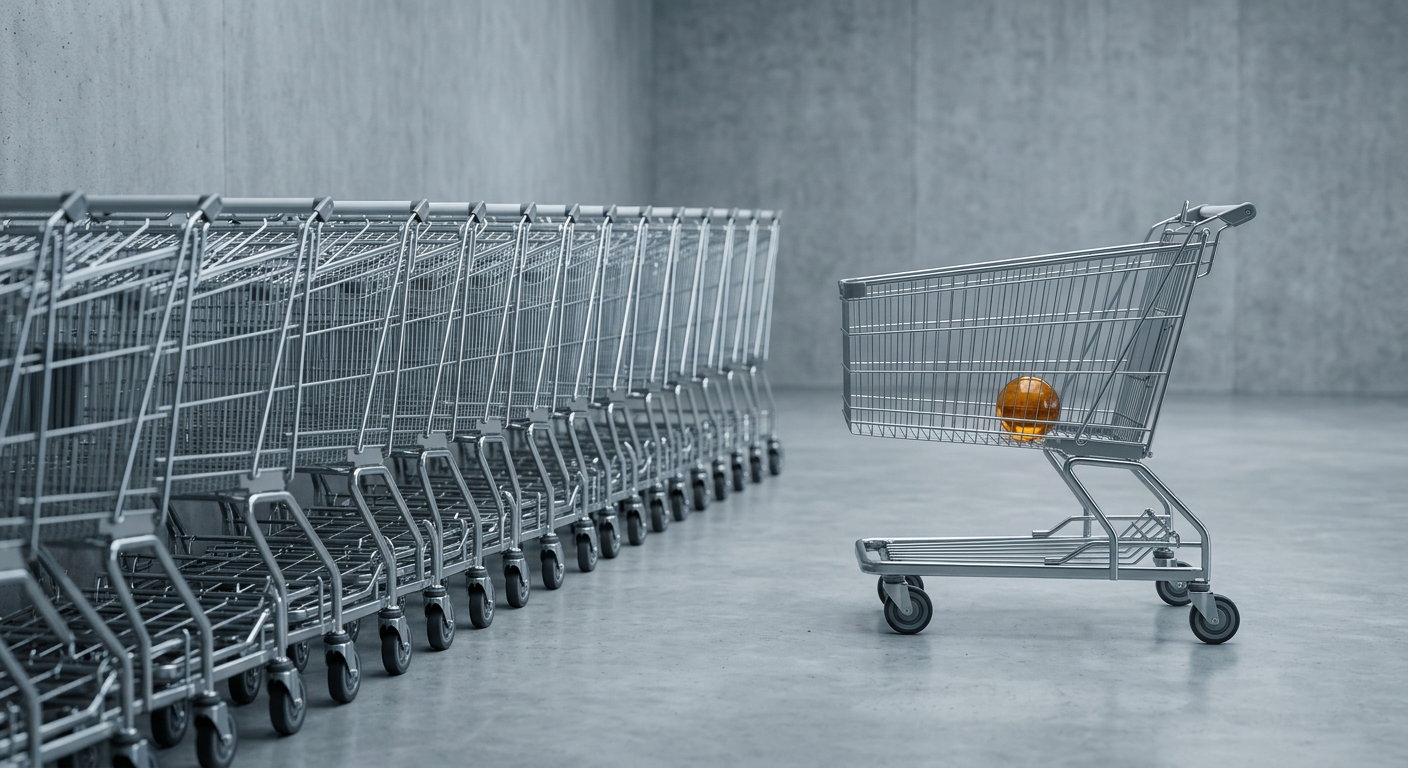
Most impulse purchases do not happen because you are reckless. They happen because buying has become almost frictionless.
A few taps. A saved card. A one-click checkout. A tiny hit of relief. Then, a little later, regret.
If you are trying to figure out how to stop impulse buying, it helps to stop thinking only in terms of self-control. Usually, the real issue is that the path to buying is too smooth. Your brain barely gets a chance to catch up.
That is where friction helps.
Not punishment. Not guilt. Not a budgeting system that makes you feel like a failure every time you want something.
Just small moments of resistance that give you enough space to ask, "Do I actually want this?"
What "friction" means in spending
In this context, friction means anything that slows a purchase down.
It can be tiny. Logging in again. Re-entering your card details. Waiting 10 minutes. Moving an item to a list instead of checking out right away. Looking at the price in work hours instead of currency.
Those little interruptions matter because impulse buying thrives on speed. The faster the transaction, the less likely you are to think clearly.
This is why shopping apps work so well. They are designed to remove every hesitation point. They remember your preferences, store your payment details, and make checkout feel almost invisible.
That convenience feels good in the moment. But it also makes it easier to buy things you never meant to buy.
Friction changes that equation. It creates enough delay for your emotional brain and your reflective brain to stop moving in the same blur.
Why low-friction shopping wins against tired brains
A lot of money advice quietly assumes that if you know better, you will do better. Real life is messier than that.
People buy things they do not need when they are tired, stressed, bored, lonely, overstimulated, or simply done with the day. In those moments, the problem is not a lack of intelligence. It is reduced bandwidth.
Your brain wants ease. Shopping offers ease.
You do not need to drive anywhere. You do not need to compare carefully. You do not even need to stand up. Modern shopping systems are built to meet you exactly where your willpower is weakest.
That is why friction is so useful. It does not ask you to become a perfectly disciplined person. It changes the environment around the decision.
Instead of relying on motivation, you make buying just inconvenient enough to interrupt the autopilot.
And that is often enough.
7 simple ways to create friction before buying
You do not need to do all of these. Pick one or two that feel realistic.
1. Remove saved payment methods
This is one of the simplest and most effective changes you can make.
If you have to stand up, get your wallet, and type your card details manually, the purchase stops feeling automatic. That extra minute can be enough to break the spell.
2. Add a waiting rule
Give yourself a minimum pause before non-essential purchases.
That might be:
- 10 minutes for small purchases
- 24 hours for medium purchases
- 72 hours for more expensive ones
The point is not to ban the purchase forever. It is to stop treating every urge like an emergency.
3. Move it to a pause list
Instead of buying the item immediately, put it somewhere intentional.
A notes app works. A wishlist works. An app like paus works even better because it turns the delay into a real decision rather than a forgotten tab.
A pause list helps because it separates wanting from buying.
4. Turn the price into work hours
This is one of the strongest forms of mental friction.
Forty dollars can feel abstract. Two hours of your life feels different.
When you convert a purchase into work hours, the tradeoff becomes more personal. You are no longer asking, "Can I afford this?" You are asking, "Is this worth the time I traded for it?"
That question lands harder.
5. Make late-night shopping harder
A lot of unnecessary buying happens when people are depleted.
You can create friction here by:
- logging out of shopping apps at night
- deleting the most tempting apps for a while
- turning off promotional notifications
- moving shopping apps off your home screen
You are not weak for needing this. You are being honest about when your decisions are most vulnerable.
6. Ask one grounding question
Before you buy, ask:
"Do I want this item, or do I want the feeling I think it will give me?"
That question is powerful because many purchases are really about relief, escape, or reward.
The item is often secondary.
7. Put a little distance between urge and action
Do not browse with your card nearby. Do not shop when you are emotionally flooded. Do not let social media scroll directly into checkout.
Even basic separation helps.
Distance creates room. Room creates choice.
Which kinds of friction work best
The best kind of friction is not dramatic. It is repeatable.
If a tactic is so strict that you abandon it in three days, it is not helping much.
Good friction usually has three qualities:
- it is easy to maintain
- it appears at the right moment
- it slows the decision without creating shame
That last part matters.
A lot of people already feel embarrassed about money habits. If your system makes you feel scolded, you are less likely to stay with it. What usually works better is a calm interruption that gives you a chance to think clearly.
You are not trying to punish yourself out of bad habits. You are trying to make good decisions easier.
How time-cost thinking changes the decision
One reason paus has such a strong product angle is that it adds a type of friction most people never use: time.
Money can feel slippery. Time usually does not.
When you look at something and realize it costs three hours of your workday, the emotional tone changes. It stops feeling like a small treat and starts feeling like a trade.
That does not mean every purchase becomes wrong. It just means the purchase becomes visible.
That visibility is useful because impulse buying often depends on emotional fog. The more clearly you can see the tradeoff, the harder it is to buy blindly.
You do not need more shame. You need a pause
A lot of spending advice makes people feel like they need stricter rules, harsher discipline, or more guilt.
Usually, that is not what is missing.
What is missing is a little space between the urge and the action.
That space can come from deleting a saved card. It can come from a waiting rule. It can come from seeing the price in work hours. It can come from putting something on paus instead of checking out right away.
Small friction sounds unimpressive. But it works because it meets the problem where it happens: in the moment before the purchase.
If you want a calmer way to think before buying, paus gives you a practical way to do that. You can pause an item instead of buying it immediately, come back to it later, and see what the purchase actually costs in work hours before you decide.
Try paus if you want a softer, smarter way to create space before your next impulse purchase.
FAQ
Is friction just another word for making shopping harder?
Kind of, but in a useful way. The goal is not to make life annoying. It is to make unnecessary purchases less automatic, so you can choose more intentionally.
Will friction stop every impulse purchase?
No. But it can reduce how often purchases happen on autopilot. Even a small delay can make a real difference over time.
What if I really do want the item later?
That is fine. Friction is not about forcing every answer to be no. It is about making sure the answer is thoughtful.
Why do work hours help more than price alone?
Because time feels personal. Currency can stay abstract, especially with digital shopping. Work hours make the tradeoff feel more real.