
What Is Lifestyle Creep? Why Earning More Can Still Leave You Feeling Broke
Lifestyle creep can make a higher income feel strangely tight. Learn the signs, why upgrades become normal, and how to enjoy a raise without losing choice.

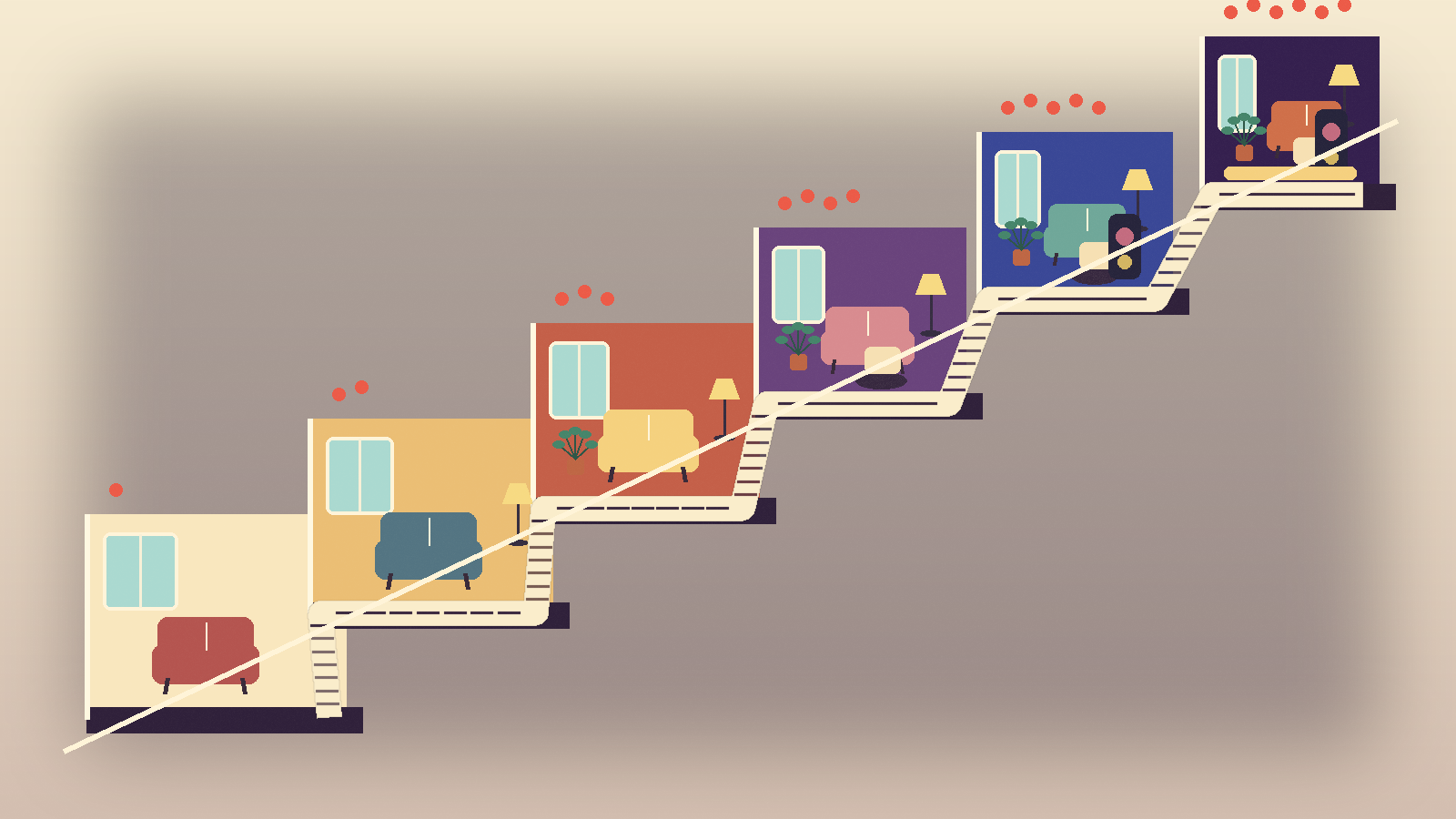
You earn more than you did a few years ago. Your life looks a little better, too. You order food more often, keep a few extra subscriptions, and choose the nicer version without thinking much about it.
None of those choices seems extreme. Yet the room you expected your raise to create has disappeared.
This is often called lifestyle creep, or lifestyle inflation. It happens when spending grows with income so quietly that a higher standard of living becomes the new minimum. You may be making more money without feeling more secure, because more of that money is already spoken for. Think of it as a baseline ratchet: each reasonable upgrade becomes the new normal, and the floor of what feels acceptable rises with your income.
Lifestyle creep is not proof that you are careless. It is what can happen when small, reasonable upgrades stop feeling like choices. Once the better version becomes normal, the older option starts to feel unacceptable, and the bar for enough rises with your income.
That slow lift is different from buying things because you feel behind in life, where the pull is catching up, or spending more on weekends, where structure disappears and the same purchase feels reasonable. On this page, the trigger is income itself: more money arrives, and normal spending quietly rises with it.
What is lifestyle creep?
Lifestyle creep is a gradual rise in spending as income rises. A raise, bonus, or better job makes more comfort possible. Over time, some extras become routine, savings do not grow as expected, and the larger paycheck begins to feel ordinary.
Fidelity's guide to lifestyle creep describes it as spending expanding with income while savings fall behind. It usually appears as small changes that are easy to justify alone.
You switch from occasional takeout to several deliveries a week. You add a premium plan, replace working things sooner, or move into a more expensive home and add costs that match it.
Each choice may be affordable. The pattern can still make your life financially tighter.
Lifestyle creep is not the same as enjoying your money
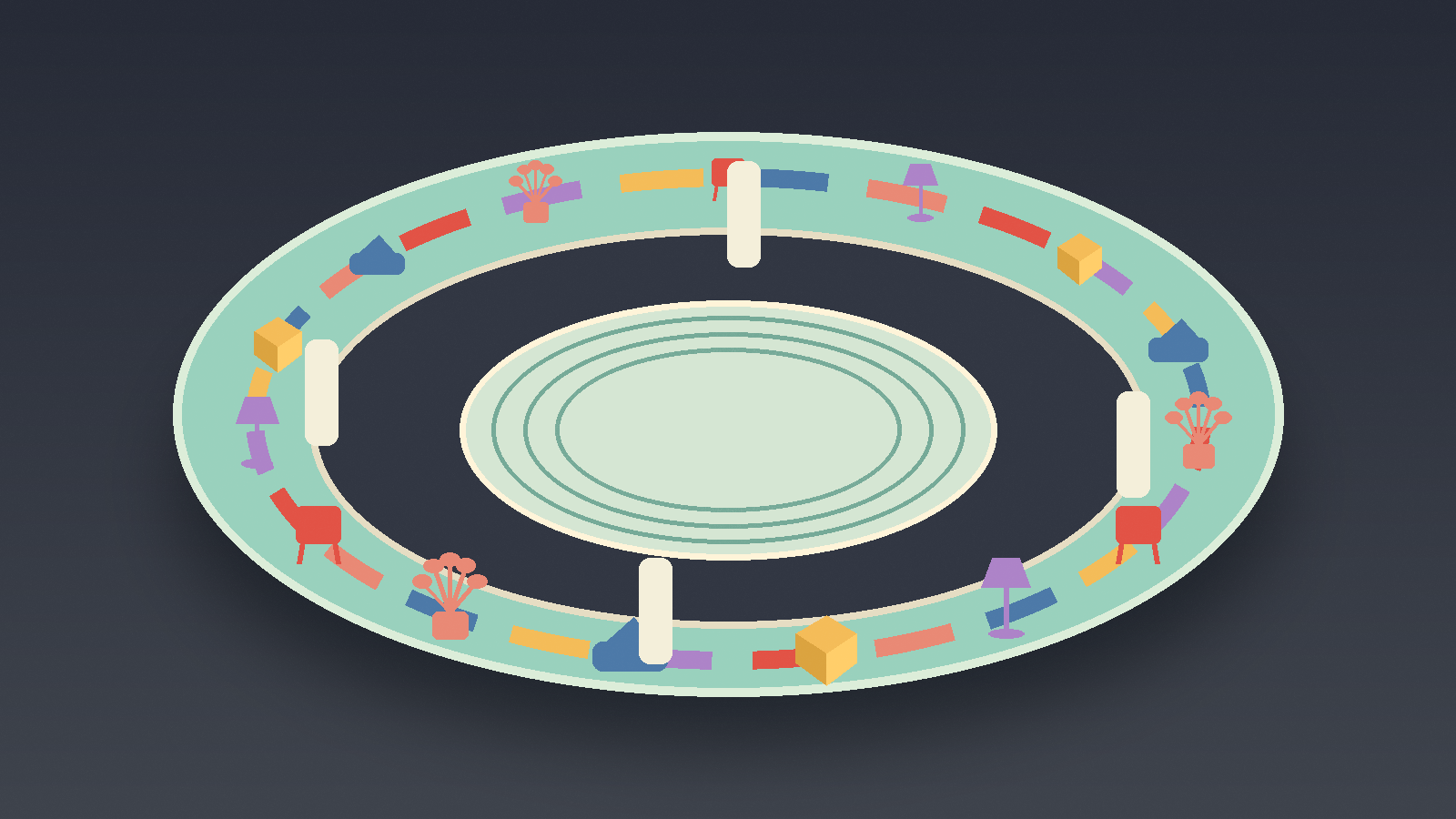
Spending more after earning more is not automatically a problem.
A safer home, dependable childcare, health care, or time saved during a demanding season may improve your life in lasting ways. Money is allowed to make life better.
The difference is choice.
An intentional upgrade has a clear purpose and a cost you can carry. Lifestyle creep happens when the upgrade becomes expected before you decide whether it deserves a permanent place.
Ask two questions:
- Did this change make my life meaningfully better?
- If I were choosing again today, would I still add this cost?
A yes is allowed. The goal is not to return to the cheapest version of your life. It is to notice when “nicer” quietly turns into “necessary.”
Why earning more can still feel tight
A bigger paycheck changes more than your bank balance. It changes what seems normal, what feels deserved, and what you stop questioning.
A raise can feel like permission
A raise often follows effort, stress, or a long wait. Spending some of it can feel like proof that the work paid off.
That reaction is understandable. The problem begins when a one-time reward turns into a repeating standard. One celebratory dinner becomes the restaurant level you now expect. One easier month becomes several automatic services.
The emotional pattern is close to wanting to buy something every time you get paid: new money can create relief before it creates a plan.
“Can I afford it?” replaces “Is it worth it?”
When money was tighter, price may have ended the decision. After a raise, more items pass the affordability test.
But “I can pay for this” and “this deserves part of my life” are different answers.
Affordability tells you whether a purchase fits today. Worth asks what else the money could make possible. If every affordable upgrade becomes an easy yes, the raise gets divided into choices that never had to compete.
Small recurring costs hide inside normal life
Lifestyle inflation often grows through frequency, not luxury.
An extra $12 once is small. An extra $12 every week is a different decision. Delivery fees, memberships, storage, app plans, upgraded data, and convenience purchases can each feel harmless because you rarely choose the annual total at once.
This is one reason small purchases do not always feel like real money. Your brain meets each charge separately. Your future income carries them together.
Improvements become familiar
A better version can feel exciting at first. Then you get used to it.
Research on hedonic spending and well-being discusses how people may adapt to some gains from purchases, though the relationship is not simple or universal. A 2024 study found mixed results on causal direction. The modest lesson is that pleasure can become familiar; paying more does not guarantee that an upgrade will keep feeling special.
Once the upgrade becomes your reference point, the old option can feel like a loss. You are no longer paying for delight. You may be paying to avoid feeling as if you are moving backward.
Your social baseline may move too
A new role, neighborhood, or peer group can change what looks ordinary. Lunches get more expensive. Trips become more frequent. Clothes, devices, homes, and gifts begin to carry new expectations.
No one has to pressure you directly. Repeated exposure can make a higher level of spending feel standard. Your sense of “normal” is partly built from what you see, so it helps to choose your own standard before the group chooses it for you.
The work-hour cost can create a strange shortcut
Suppose a $120 purchase once cost eight take-home work hours. After a raise, it costs six. That is real progress: your time now buys more.
But the lower work-hour number can also make every upgrade look easier. If the $120 becomes a monthly habit, it costs $1,440 a year, or 72 take-home work hours at the new rate.
So ask the work-hour question twice:
- How many hours does this cost once?
- How many future hours will it cost if it becomes normal?
The point is not to make spending feel guilty. It is to keep a recurring choice from hiding inside a one-time price. You can learn how to turn a price into work hours or use paus to make that tradeoff visible before you decide.
7 signs of lifestyle creep
Lifestyle creep is a pattern, not a diagnosis. Several of these signs together are worth noticing.
- Your income rose, but your savings did not. The extra money is leaving without a clear decision.
- Former treats now feel basic. The upgraded option no longer feels special, but the old one feels unacceptable.
- You have more fixed costs. Subscriptions, payments, memberships, rent, and services claim more money before the month begins.
- You rarely ask whether an upgrade is worth it. Being able to pay has become the whole test.
- Bonuses disappear into normal spending. Temporary income creates permanent habits.
- You feel broke at a higher income. Bills may be covered, yet there is little room for a surprise, goal, or change of mind.
- Cutting back feels like failure. A cheaper option seems like losing status rather than making a useful choice.
Start with the one place where choice has become weakest.
How to avoid lifestyle creep without freezing your life
The answer is not to keep living exactly as you did before every raise. A better system lets some of your lifestyle grow while making sure your freedom grows too.
1. Wait before increasing fixed costs
A bigger paycheck can support a bigger apartment, car payment, or set of subscriptions. Fixed costs are different from a celebration because they follow you into ordinary months.
If possible, let two or three pay cycles pass before adding a major recurring cost. Check the actual change in take-home pay, not the headline salary increase.
2. Decide where part of the raise goes before it lands
Choose a simple split in advance. Some can improve life now; some can build savings, reduce debt, or support a goal. Make the choice before the new amount feels available for everything.
The Consumer Financial Protection Bureau notes that automatic transfers and split direct deposit can make saving more consistent. The new baseline then forms around what reaches everyday spending.
If detailed budgets make you shut down, saving money without budgeting every dollar can start with protecting one amount.
3. Pick one upgrade you actually want
Instead of letting the raise leak into ten forgettable improvements, choose one that matters.
Maybe it is reliable help at home, a better mattress, a class, or one meal out each week. Name what the upgrade is for, then enjoy it.
A chosen improvement is easier to value than a general rise in spending. It keeps every category from assuming it received a raise too.
4. Price recurring choices by year and work hours
Before adding a monthly or weekly cost, annualize it.
A $35 monthly plan is $420 a year. At $21 in take-home pay per hour, that is 20 hours of work. Ask: “Would I trade 20 hours each year to keep this?”
You may say yes. If the answer is uncertain, try one month without automatic renewal, or let the purchase wait before it joins your baseline.
5. Keep light friction where spending expands fastest
You do not need obstacles around every purchase. Put them around the category most likely to absorb extra income.
Remove a saved card from one shopping app. Wait a day before nonessential upgrades. The 24-hour rule for impulse buying can become a week or one pay cycle for a bigger lifestyle decision.
Friction is not punishment. It is time for the purchase to become specific.
6. Review what still earns its place
Every few months, look at the costs added since your income changed. Do not ask, “What can I force myself to cut?” Ask, “What still makes my life better?”
Keep what earns its place. Cancel, downgrade, or reduce what became invisible. One convenience that protects your health or time may matter more than several cheaper habits you barely notice.
This is maintenance, not a return to an older life. Your income changed; your choices can change again.
Let progress create room
The best result of earning more is more choice: room for a surprise, a goal, rest, generosity, or saying no to work that costs too much of you.
Lifestyle creep narrows that room without looking dramatic. Mindful spending brings the choice back.
Choose the improvements that support your life. Let some money remain unclaimed. When a purchase could become your new normal, see both its price today and the future work it asks from you.
If you want help with that pause, try paus. It turns prices into work hours and gives purchases a calmer place to wait before you choose.
FAQ
What is an example of lifestyle creep?
You receive a raise, order food more often, add subscriptions, upgrade your phone early, and take on a larger car payment. It becomes lifestyle creep when the combined costs grow automatically and the raise creates no new flexibility.
Is lifestyle creep always bad?
No. Spending more can improve safety, health, time, comfort, and enjoyment. The concern is losing choice because every improvement becomes a permanent minimum.
What causes lifestyle creep?
A raise can feel like permission, and spending some of it can feel like proof that the work paid off. Then “Can I afford it?” replaces “Is it worth it?”, small recurring costs hide their yearly total, new comforts stop feeling special, and a new role or neighborhood can shift what feels normal. Each one is small. Together they raise the floor.
Why do I feel broke even though I earn more?
Your fixed and frequent costs may have risen with income. Inflation, debt, family needs, and take-home pay also matter. Compare what reaches your account with the recurring costs added over the same period.
How can I stop lifestyle inflation after it has started?
Start with one category. Annualize its costs, keep what adds value, and downgrade or remove what became invisible. Route part of future raises before everyday spending adjusts again.
Should I save my entire raise?
Not necessarily. You can use part of a raise to improve life now and part to build future room. A conscious balance is better than turning spending or saving into a moral test.