
How to Stop Impulse Buying on Temu
Temu can make spending feel tiny, playful, and strangely hard to take seriously. Here is why the app is so persuasive and how to stop cheap purchases from quietly piling up.

How to Stop Impulse Buying on Temu
If Temu keeps making you buy things you did not mean to buy, the problem is usually not that you suddenly lost all self-control.
It is that the app makes each decision feel tiny.
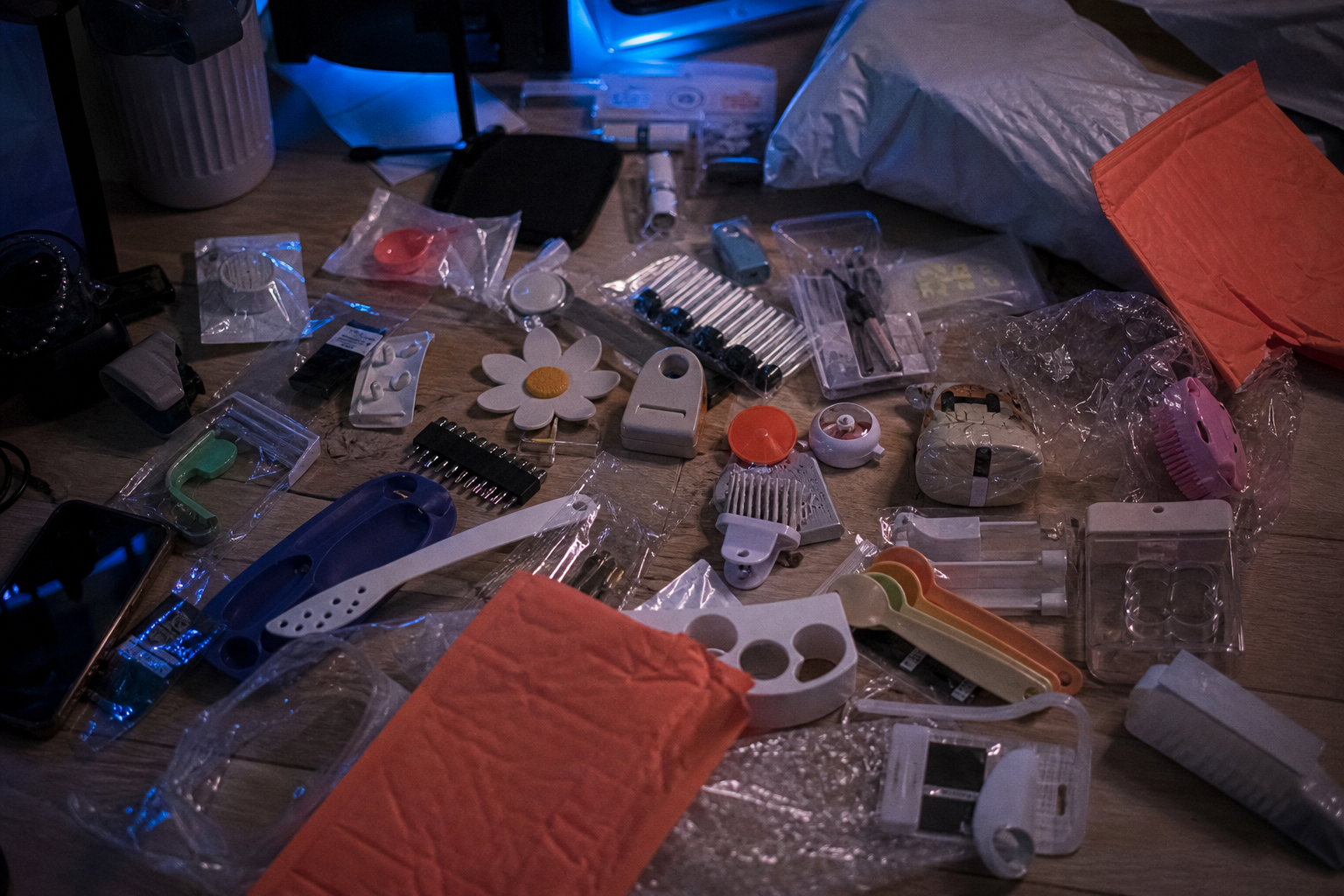
A phone stand. A storage hook. A water bottle brush. A pair of socks. A makeup organizer. A kitchen gadget you were not looking for ten minutes ago.
None of it feels big enough to deserve a serious pause.
That is what makes the pattern slippery.
You are not standing in front of one huge purchase. You are saying yes to a string of cheap-feeling little ones. And by the time the order arrives, the total is larger than you remember, the items matter less than they seemed, and the whole thing feels faintly embarrassing.
If you want to stop impulse buying on Temu, it helps to understand what the app is doing so well.
Temu is good at making spending feel playful, low-risk, and almost too small to count. That is very different from helping you buy intentionally.
Why Temu feels different from normal online shopping
A lot of online shopping still starts with a need.
You realize you need headphones. You search for a lamp. You compare running shoes. You look for one thing and try to choose well.
Temu often works in the opposite direction.
It creates the wanting first.
You open the app out of curiosity, boredom, habit, or because a deal notification lands at the right weak moment. Then you start seeing items that feel clever, useful, cute, practical, or too cheap to ignore.
The shopping is less deliberate. It is more accumulative.
You are not always making one considered decision. You are drifting through a stream of tiny yeses.
That matters because your brain does not treat tiny yeses the same way it treats one clear spending choice. A series of small approvals can slide past your internal warning system much more easily.
This is close to why small purchases do not feel like real money. The lower the emotional weight of each item, the easier it is to miss the bigger pattern they are forming together.
Why cheap prices can make you spend more, not less

People often assume low prices protect them from overspending.
Sometimes they do.
But cheapness can also lower caution.
When something costs very little, your brain may stop asking the full set of questions:
- Do I need this?
- Will I use it?
- Would I still want it if it cost more?
- Is this solving a real problem or just creating a little rush?
The purchase starts to feel too small to examine.
That is exactly why very cheap shopping environments can become expensive. They make attention feel unnecessary.
You stop thinking like someone spending money. You start thinking like someone collecting exceptions.
This one is only a few dollars. That one is basically nothing. The next one rounds out the cart. Then shipping or discount logic nudges you a bit further.
A low price can make an item feel harmless even when the habit is not.
That is why Temu impulse buying is often less about one bad purchase and more about the total effect of repeated low-friction spending.
Why Temu can be hard to resist
The app tends to stack several pressure points at once.
It makes abundance feel exciting
Temu often shows a huge number of options very quickly. That flood of cheap possibilities can create a "why not" mood.
You are not carefully evaluating one object. You are absorbing a sense of endless opportunity.
Abundance changes how people spend. It can make buying feel casual because there is always another version, another color, another bundle, another clever thing you did not know existed.
It makes the decision feel time-sensitive
Cheap shopping gets even harder to resist when the app adds countdown energy.
If an item already feels small, a timer or discount cue can push your brain toward speed instead of thought. A sale sign borrows the same momentum: the deal becomes the reason, and the pause disappears. Buying things just because they're on sale follows the same shortcut. You do not want to overthink something that seems inexpensive and temporary. You just want to catch it before it disappears.
That is part of the same pressure loop behind limited-time offers making you buy things you were not planning to buy. Urgency shrinks reflection.
It turns browsing into a reward
A lot of people do not go into Temu in a neutral state. They open it when they are tired, bored, restless, stressed, or craving a small lift.
In that state, the app is not only showing products. It is offering stimulation.
Each scroll brings novelty. Each find feels a little satisfying. Each cheap item offers a tiny promise that life could become easier, neater, cuter, more organized, or more efficient.
That reward feeling can become more important than the item itself.
It makes useful-looking clutter feel smart
Temu is full of things that look practical. That is part of the trap.
Impulsive spending is easier to justify when the item does not look indulgent. A drawer divider, cable organizer, travel pouch, shelf hook, cleaning tool, or storage container can feel responsible.
But responsible-looking purchases can still be impulsive purchases.
Sometimes the product is less about solving a real problem and more about buying the feeling that you are getting your life together. That is very close to why people keep buying organizing products and still feel messy.
Signs you are not really shopping intentionally on Temu anymore
You do not need to be spending huge amounts for the pattern to matter. A few signs usually tell the truth faster than the total.
You keep buying things you were not looking for
You opened the app without a real plan. Then the app supplied the plan for you.
The price is doing most of the convincing
If your main reason is "it is so cheap," pause there. Cheap is not a use case. Cheap does not tell you whether the item belongs in your life.
You tell yourself the risk is basically zero
That thought is exactly what makes low-cost apps dangerous. When every purchase feels too small to matter, the pattern can grow without resistance.
You forget what is coming in the mail
If packages start arriving and you barely remember ordering the items, that is a strong sign the buying happened with very little real attention.
You keep trying to build a better version of daily life one tiny item at a time
This is the softer, more emotional version of the pattern. A lot of cheap purchases are really about hope.
Maybe this gadget will make mornings easier. Maybe this organizer will make you feel calmer. Maybe this accessory will make you finally stay on top of things.
The item looks small, but the emotional job it is trying to do is bigger.
How to stop impulse buying on Temu in real life
The goal is not to shame yourself for liking cheap useful things. The goal is to stop making decisions in an environment designed to keep each yes feeling weightless.
1. Do not buy in the same session where you discover the item
If something seems useful, save it. Then leave.
Do not reward the first wave of interest with immediate checkout. Temu is strongest while the novelty is active. You want the wanting to cool before money gets involved.
2. Make yourself name the exact problem the item solves
Use one sentence:
"I want this because _______."
Be specific.
Not "it might be handy someday." Not "it is cute and cheap." Not "I could probably use this."
A real answer sounds more like:
- I need a replacement because mine broke.
- I need this for a trip next month.
- I already do this task every week and the item would make it easier.
If the reason stays fuzzy, the purchase is probably being carried by mood more than need.
3. Treat the full cart like real money
Not each item. The whole cart.
Temu encourages item-by-item thinking. That is exactly what hides the truth.
Look at the total and ask: Would I still approve this if it were one single purchase for this amount?
That question cuts through a lot of cheap-item fog.
4. Translate the total into work hours
This is where many Temu orders stop feeling so casual.
A cart full of tiny items can feel harmless until you ask what that total costs in your actual time. How long did you work for it? What else could that money have done? How many low-stakes orders like this happen in a month?
This is why turning a price into work hours before you buy is so useful. It takes the purchase out of bargain theater and brings it back into real life.
5. Notice the state you are in before you open the app
This matters more than people think.
If you tend to open Temu when you are bored, flat, avoidant, lonely, or stressed, then the shopping urge is not only about products. It is also about state change.
You may be looking for:
- novelty
- relief
- a tiny reward
- distraction
- the feeling of making life easier
If that is the real need, another low-cost item may not solve much. It may just give you ten minutes of lift and one more package later.
6. Keep a "not today" list
When an item seems interesting but not necessary, move it to a list outside the app.
This does two useful things. First, it proves you do not have to lose the idea just because you do not buy it now. Second, it helps you see patterns.
After a week, a lot of items stop feeling important. The ones that still matter usually become clearer.
7. Remove the easiest checkout paths
If Temu is a known weak spot, do not make buying frictionless. Log out if needed. Remove saved payment details if that helps. Do not keep the app as your default boredom destination.
A little friction is not punishment. It is support.
That is the same logic behind creating friction before you buy something you do not need. The pause is what gives your real preferences time to catch up.
A calmer way to think about cheap purchases
One of the hardest things about Temu spending is that the individual items often look too small to deserve concern. That can make people minimize the pattern for a long time.
But your life is not shaped only by big purchases. It is shaped by repeated behavior.
Repeated cheap spending can still create:
- more clutter
- more decision fatigue
- more money leakage
- more background regret
- less trust in your own choices
That does not mean every low-cost purchase is bad. It means cheap does not automatically equal intentional.
A good question to ask is not, "Is this expensive enough to matter?" It is, "Is this real enough to matter?"
If the answer is yes, it deserves a real decision.
You do not need harsher rules. You need a more honest pause.
A lot of people try to fix Temu overspending by calling themselves lazy, gullible, or irresponsible. That usually does not help.
The better move is to get more honest about what the app is doing.
It is lowering the felt seriousness of spending. It is filling your attention with useful-looking possibilities. It is making urgency and cheapness do the work of intention.
Once you see that clearly, you can respond more calmly. You do not have to ban every small purchase. You just need a way to stop each tiny yes from slipping by unnoticed.
That is where paus can help. It gives you a moment before checkout to slow down, see the cost in work hours, and decide whether the item solves a real problem or just feels too cheap to question.
And if Temu has been turning boredom, stress, or curiosity into carts you barely remember making, try paus. It can help you make cheap-feeling purchases feel real again before they quietly pile up.
FAQ
Why is Temu so addictive?
Temu can feel addictive because it mixes endless novelty, low prices, urgency cues, and a constant stream of useful-looking items. The shopping feels light, but the repeated micro-decisions can add up fast.
Why do I keep buying random things on Temu?
Usually because the app creates wants in the moment. You may not be entering with a need. You may be entering for stimulation, distraction, or a small emotional lift, then leaving with products that felt too cheap to resist.
How do I stop overspending on Temu?
Stop buying in the same session where you discover items, look at the full cart total instead of each item separately, translate that total into work hours, and add friction before checkout.
Is buying cheap things really a problem if the items do not cost much?
It can be. The issue is often not one item. It is the repeated pattern of low-attention spending, clutter, and money leaving in ways that never felt serious enough to examine.