
Why Do I Keep Buying Organizing Products and Still Feel Messy?
If you keep buying planners, bins, notebooks, or desk organizers and still feel behind, the purchase may be giving you a brief sense of control more than lasting order.

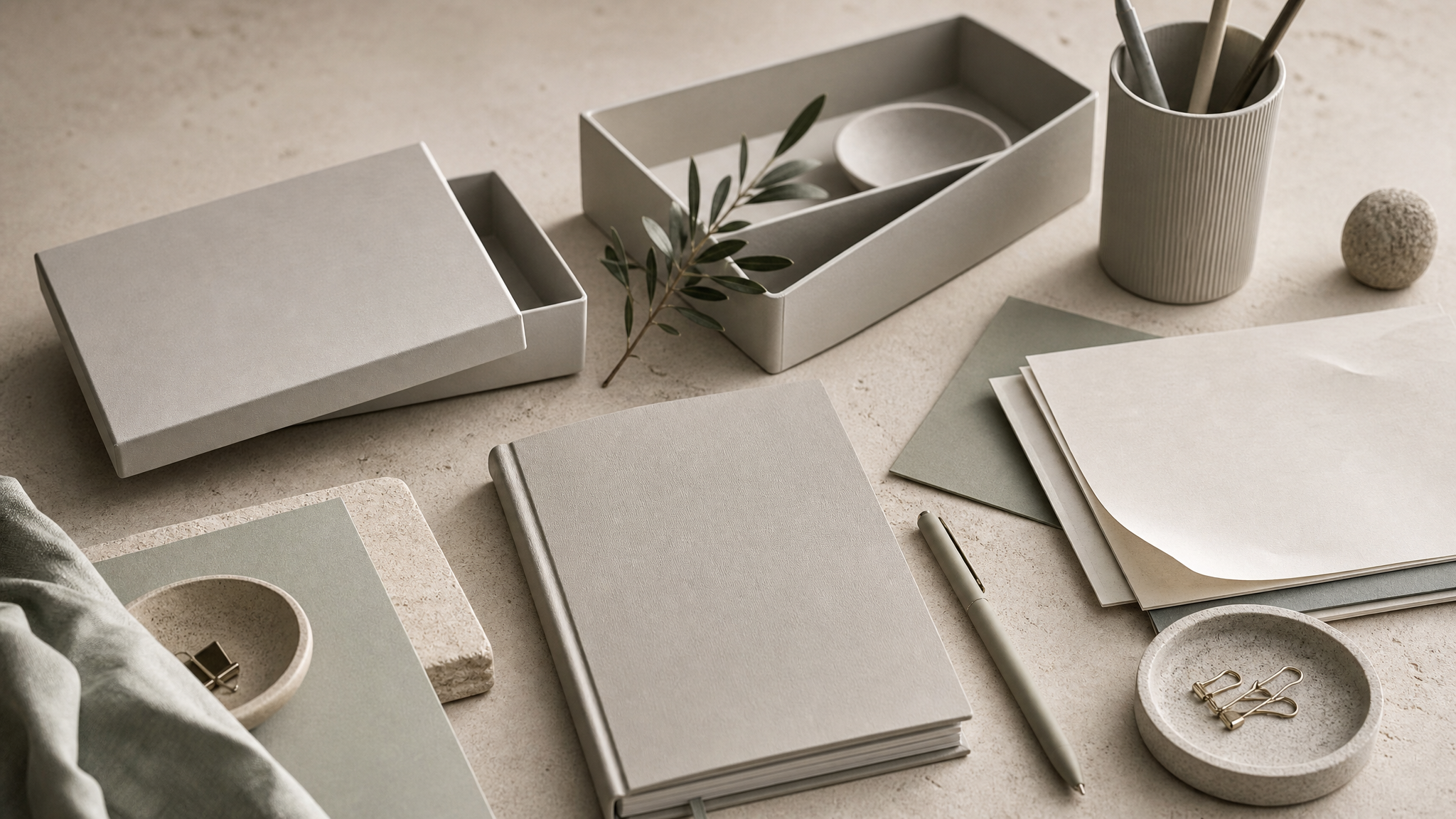
You buy a new planner and feel better before you even write in it.
You order storage bins, drawer dividers, labels, a desk organizer, maybe a notebook that seems like it belongs to a calmer version of you.
For a moment, it feels like something is about to click.
This is the reset. This is the week I get my life together. This will make things easier.
Then a few days pass. The planner is half-used. The basket holds random things. The desk looks better for a minute, then starts drifting again. And underneath it all, the same feeling comes back:
Why do I keep buying organizing products and still feel messy?
If this happens to you, it usually is not because you are lazy, sloppy, or impossible to help.
Usually, it means the purchase is doing emotional work. It is giving you a quick sense of hope, control, or relief at a moment when your life feels noisy. That feeling is real. It just does not last very long if the product was carrying more weight than it could actually hold.
Why organizing products feel so hard to resist
Organizing products are especially convincing because they do not feel indulgent.
They feel responsible.
A new lipstick can look like a treat. A random gadget can look impulsive. But a planner, notebook, or storage bin can look like self-improvement.
That makes the purchase easy to defend.
You are not wasting money, you tell yourself. You are trying to be more prepared. More focused. More put together.
And sometimes that is partly true.
The problem is that organization products often sell more than function. They sell a feeling.
They sell:
- a cleaner mind
- a calmer room
- a more consistent routine
- a version of you who follows through
- the fantasy that one good system will make everything feel manageable
That is why the urge can get strong when your life feels scattered.
You are often not buying plastic bins or paper pages. You are buying the feeling that things might finally stop slipping.
What you may actually be trying to buy
When people keep buying organizing products, the real target is often not organization.
It is relief.
Maybe your room feels visually loud. Maybe work is piling up. Maybe you have been forgetting small things and feeling behind. Maybe you are overwhelmed, embarrassed, overstimulated, or tired of looking at unfinished life admin.
In that state, organization shopping can feel like movement.
You have not solved the mess yet, but you have done something about it. You picked a system. You found the right container. You chose a notebook. You ordered the tool. Your brain gets to say, good, we are handling this.
That is a powerful feeling.
It is also why these purchases can blur into emotional spending without looking like it.
The item seems practical, but the urgency behind it is often emotional. You want a little control. You want a clean restart. You want proof that you are still capable of getting things together.
That is also why this pattern overlaps with buying for your future self. If that theme feels familiar, you might recognize parts of it in How to Stop Buying Things for Your Fantasy Self.
Why the relief fades so fast
A lot of organizing purchases feel better before they arrive than after.
That is not because the products are useless. It is because the emotional payoff happens early.
The hopeful part starts here:
- while browsing
- while imagining the cleaner space
- while picturing tomorrow's more organized version of you
- while clicking buy and feeling like change is in motion
Once the product is in your hands, reality comes back.
The planner still needs a routine. The storage bin still needs decisions. The labels still need maintenance. The notebook still needs you to return to it when you are tired, busy, or distracted.
In other words, the object can support a system, but it cannot become the system.
That gap is where disappointment shows up.
You thought you were buying order. What you really bought was support for a version of order that still needs time, energy, and repetition.
If your bandwidth is already low, the product can quickly turn from hopeful to quietly accusatory. Now it is not just the mess. It is also the unused solution sitting in the room.
Signs you are buying organization instead of creating it
This pattern can be hard to see because every purchase looks small and reasonable on its own.
But there are a few signs that the item is carrying more emotional meaning than practical value.
You shop for systems more than you use them
You spend more time researching planners, desk setups, bins, apps, and routines than actually trying simple versions of the systems you already have.
The urge spikes when you feel behind
You do not suddenly want drawer dividers on your best, calmest days. The pull often gets stronger when life feels messy, work feels heavy, or your space starts making you feel guilty.
You want the right tool to make follow-through easier
Part of you hopes this notebook, this basket, this reset app, or this new layout will finally remove the friction that has been making life hard.
You already own similar things
You may have half-used planners, extra containers, duplicate notebooks, or old organization tools that were supposed to help last time. That can overlap with the pattern in Why Do I Keep Buying Things I Already Have?.
The purchase feels oddly urgent
Even though the item is practical, the emotional tone is intense. It feels like you need it now because you cannot stand the current state for one more week.
Why mess can trigger spending so easily
Mess is not always just visual.
Sometimes it creates low-level threat. It reminds you what is unfinished. It shows you where you are behind. It can make your home or workspace feel like evidence that you are not coping well enough.
That is why buying an organizing product can feel soothing. It offers a neat answer to a messy feeling.
And neat answers are seductive when your nervous system is tired.
This is similar to other forms of practical-looking spending. People do it with convenience purchases, replacement items, productivity tools, and little upgrades that promise to make life easier. If tiredness is part of the pattern for you, How to Stop Convenience Spending When You're Too Tired to Think may feel familiar too.
How to interrupt the pattern before checkout
You do not have to ban yourself from ever buying an organizing product again.
The goal is just to tell the difference between a useful tool and a hope purchase.
Try these questions before you buy:
1. What problem am I expecting this to solve?
Name it plainly. Not "my life." Not "everything." What exact friction am I trying to reduce?
For example:
- I need one place for incoming mail
- I need my chargers visible
- I need a simple weekly view for appointments
If the answer stays vague, the purchase may be more emotional than practical.
2. Do I already own a rough version of this?
Maybe not the perfect version. Maybe not the pretty version. But do you already own something that could do 70 percent of the job today?
3. Am I buying a tool, or buying the feeling of a fresh start?
This question matters a lot. Sometimes the honest answer is: I want the reset. That does not make you ridiculous. It just tells you what is actually happening.
4. What would using what I already have look like for three days?
Before buying a new system, test the old one in a smaller, less dramatic way. Use one notebook for three days. Clear one drawer. Create one landing spot for one category. Small experiments tell you more than hopeful shopping does.
5. Would I still want this if I felt calm today?
If the answer is no, or maybe not this urgently, the purchase probably belongs on pause.
What helps more than another reset purchase
Usually, people do not need a perfect organization system first. They need less emotional pressure around the mess.
A few things tend to help more than a fresh order:
Make the problem smaller
Do not reorganize your life. Pick one surface, one drawer, one category, or one recurring pain point.
Use visible solutions before prettier ones
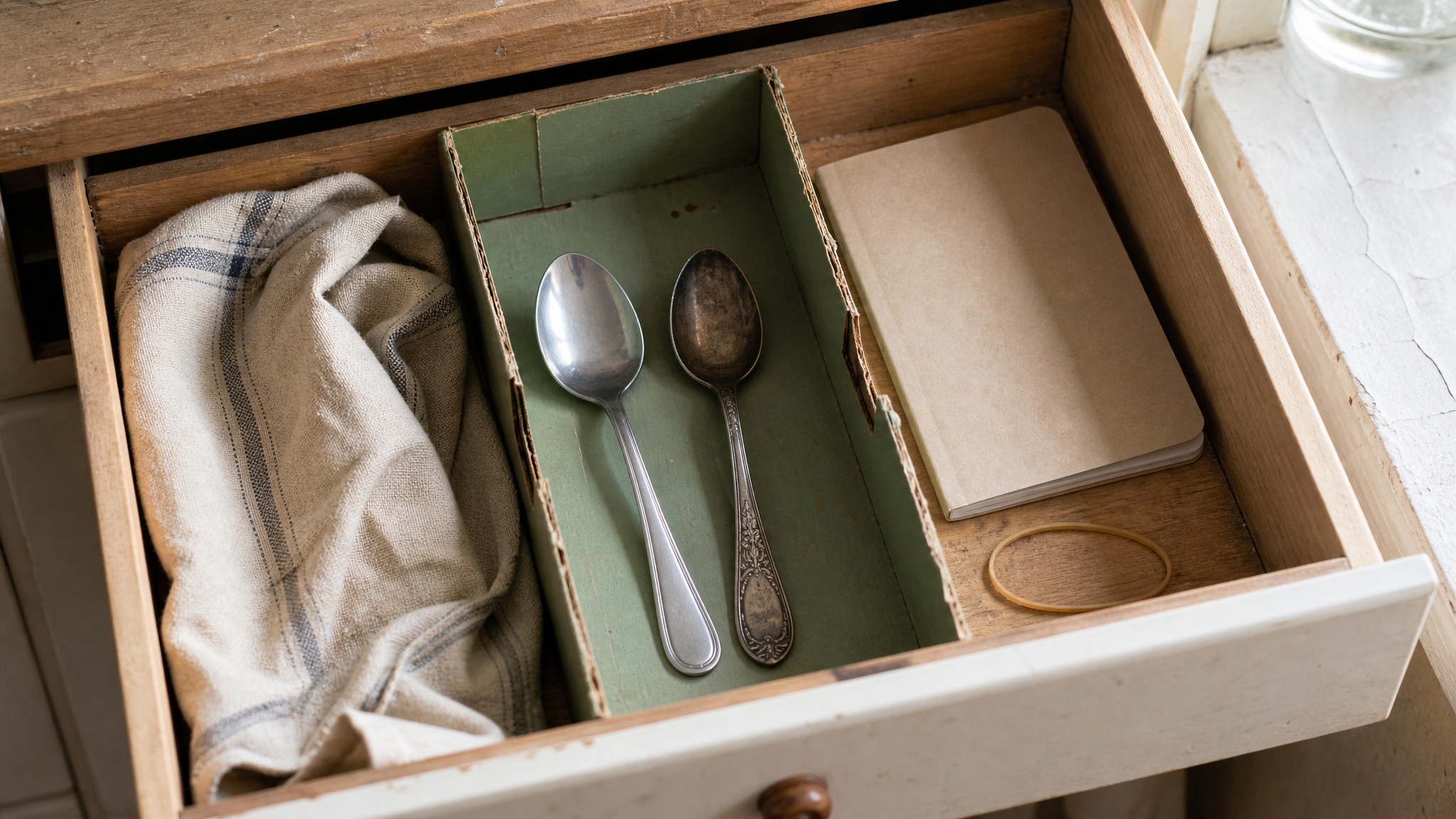
A simple open tray you already own may help more than an elegant hidden system you need to buy.
Build for your tired self
Choose systems that still work when you are low-energy, not only when you are motivated. That is one reason people drift from highly structured tools back into chaos. The system asks too much on ordinary days.
Watch for procrastination disguised as planning
Sometimes organization shopping is really a side quest that feels better than the task you do not want to start. If that sounds familiar, read How to Stop Shopping When You're Procrastinating.
Pause practical-looking purchases too
A purchase does not stop being emotional just because it looks responsible. A pause can still be useful for planners, bins, labels, shelves, and notebooks.
If you want help slowing down before another practical-seeming reset buy, try paus. It gives you a calmer moment to check what you are really buying, see the cost more clearly, and decide with a little more space.
You are not failing just because the product did not fix the feeling
This pattern can create a very specific kind of shame.
You bought something responsible. You had good intentions. You really did want things to feel easier. Then the system did not save you, and now you feel messy plus embarrassed.
I am glad to say this part clearly: that does not mean you are the problem.
It usually means the object got assigned a job that belonged to attention, support, rest, or a much smaller system than the one you imagined.
Buying an organizing product can help sometimes. But it cannot carry your whole reset on its own.
Once you see that, you can stop asking every purchase to rescue you. And that usually leads to better decisions, less clutter, and a little more calm.
FAQ
Why do organizing products make me feel better even before I use them?
Because the emotional reward often starts before the product arrives. Browsing and buying can create a quick sense of hope, control, and forward motion when life feels messy.
Is buying planners and bins a kind of emotional spending?
Sometimes, yes. If the purchase is mainly about relief, self-repair, or the feeling of a fresh start, it may be emotional spending even if the item looks practical.
How do I stop buying organizing products I do not use?
Pause before checkout and ask what exact problem the item is meant to solve, whether you already own something similar, and whether you would still want it if you felt calmer today.
What should I do instead of buying another organization tool?
Try a smaller test with what you already have. Solve one narrow friction point first. That tells you whether you need a new tool or just a simpler system.