
Why Do I Keep Buying Things After I Declutter?
If decluttering is supposed to make you want less, why can it leave you wanting to shop again? Here is what the refill cycle is really about and how to interrupt it.

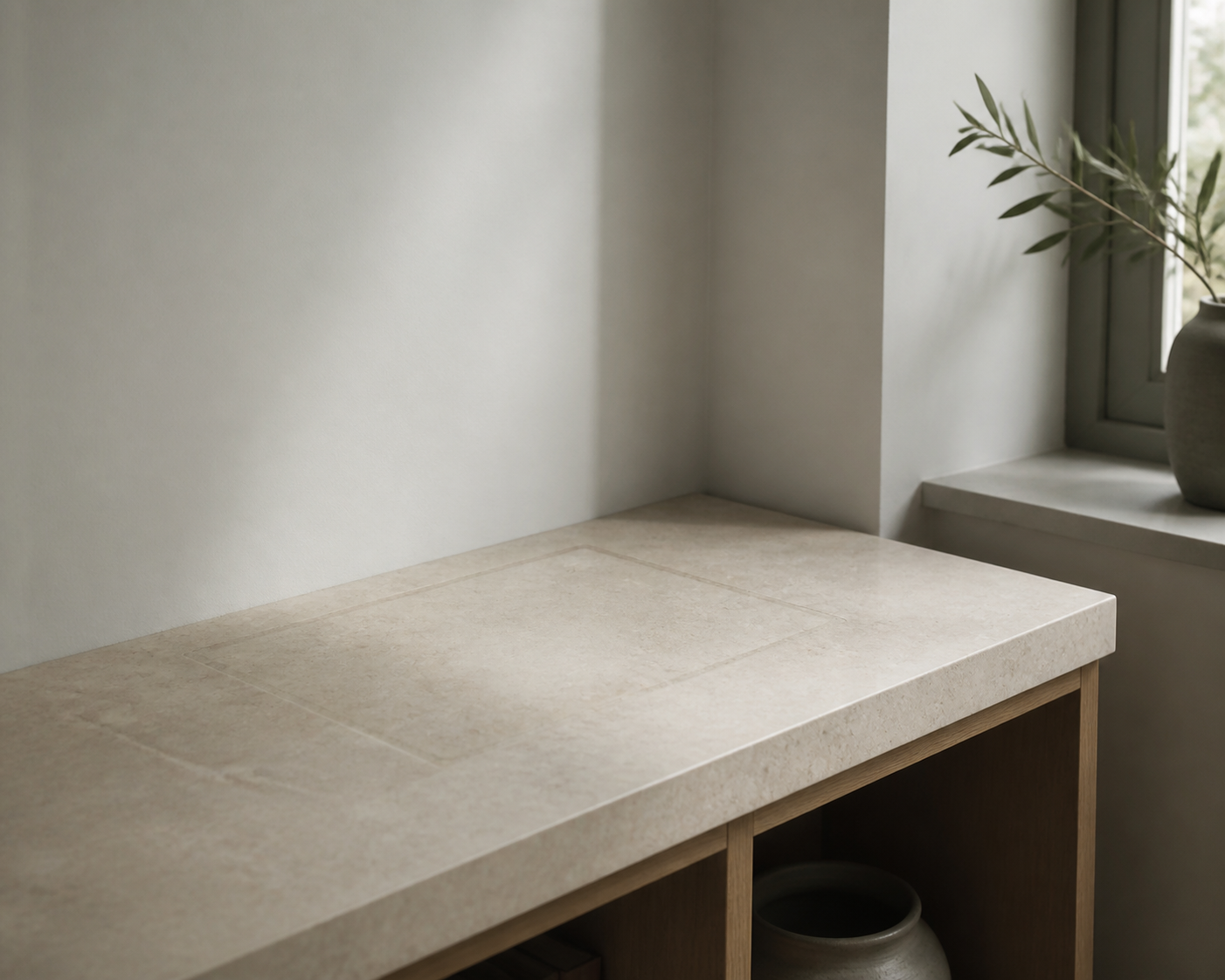
You clear a drawer, a shelf, a closet, maybe even half a room.
For a little while, it feels good. Lighter. More honest. More under control.
Then something strange happens. You start browsing. A replacement bin. A nicer storage basket. A fresh set of matching hangers. A new skin care organizer. A lamp for the now-better corner. A cleaner version of the life you think the decluttering just made possible.
If you keep buying things after you declutter, it does not mean the decluttering failed. It usually means the decluttering solved one part of the feeling, but not the whole thing.
A lot of the time, getting rid of things creates relief without fully changing the emotional pattern underneath. In some cases, it can even wake the buying urge up.
Why decluttering does not automatically make you want less
Decluttering removes objects. It does not always remove the needs, moods, or fantasies attached to them.
You can clear space and still feel:
- behind
- restless
- overstimulated
- dissatisfied with your routines
- unsure who you want to be now
That matters because the buying urge is often not about total quantity. It is about what you hope a new thing will do for your mood, identity, or daily life.
Decluttering may make your space quieter. But if your brain is still looking for relief, novelty, control, or reinvention, it can quickly turn toward shopping again.
Why shopping can show up right after a clear-out
There are a few reasons this happens so often.
1. Decluttering creates emotional permission
This is one of the biggest ones.
After you get rid of things, you may feel like you earned a purchase.
I was good. I was responsible. I let things go. Now I can replace them properly.
Sometimes that replacement is real and useful. But sometimes the clear-out becomes a moral credit system. Because you reduced the mess, spending can suddenly feel clean, deserved, or justified.
The purchase does not feel like "more stuff." It feels like a smarter version of your old stuff.
That is why post-declutter shopping can feel oddly righteous. You are not telling yourself you are consuming more. You are telling yourself you are upgrading, refining, or finally doing it right.
2. Empty space can start to feel like a problem
People talk about clutter as stressful, and it can be. But emptiness can also feel surprisingly loud.
A bare shelf can start to look unfinished. A cleared corner can start to look like it needs a chair, a lamp, a basket, a plant, or a better object to justify the space. A less crowded bathroom cabinet can make the remaining products look wrong, mismatched, or not good enough.
In other words, the space you created may stop feeling peaceful and start feeling like a prompt.
That is especially true if you are sensitive to aesthetics, order, or the feeling that your environment says something about how together you are.
3. Decluttering can activate your fantasy self
Once the mess is gone, it becomes easier to imagine a better version of your life living in the cleaned-up space.
Now you can picture:
- the beautifully organized routine
- the calmer morning setup
- the more intentional wardrobe
- the kitchen where you actually cook
- the home that finally feels like you
That is where this pattern starts to overlap with Why Do I Keep Buying Things for My Fantasy Self?.
The difference is that here, the fantasy often gets stronger after the purge. Decluttering creates a blank stage, and shopping starts to feel like the way to finish the scene.
4. You removed the clutter, not the discomfort
Sometimes decluttering is a sincere attempt to calm bigger feelings.
Maybe you were overwhelmed. Maybe life felt stagnant. Maybe you wanted a reset. Maybe you were tired of looking at proof of unfinished intentions.
Clearing things out can help. But if the real pain was emotional exhaustion, self-criticism, boredom, loneliness, or the feeling that life needs a change, the relief may not last very long.
Then shopping steps in with a new promise. Not "let's create space," but "let's fill the space with something better this time."
Why the refill cycle feels so convincing
The trap is that rebound shopping rarely looks reckless.
It looks thoughtful. It looks edited. It looks intentional.
You are not buying ten random things. You are buying the right tray. The right container. The one sweater that works with everything. The better version of the thing you donated. The piece that completes the room.
That makes the urge harder to question.
But "intentional" shopping can still be emotionally driven shopping. The tone is different. The mechanism is often not.
A purchase can still be doing emotional labor even when it comes wrapped in minimalist language.
Signs you are refilling, not replacing
Not every post-declutter purchase is a mistake. Sometimes you really did get rid of something that needs a better version.
The key is noticing when the new purchase is solving a real problem and when it is trying to fix a feeling.
You may be refilling rather than replacing if:
- the urge shows up very soon after a big clear-out
- the item seems to "complete" the space more than solve a practical need
- you keep wanting nicer, cleaner, more aesthetic versions of ordinary things
- the purchase feels tied to the person you want to become in the newly decluttered life
- you start shopping because the space now looks too empty, plain, or unfinished
- you feel unusually drawn to matching, upgrading, or re-curating right after purging
A useful question is this: if the space stayed exactly as it is for two weeks, would the item still feel necessary?
That little bit of time can separate real utility from the discomfort of looking at fresh emptiness.
How to tell a useful replacement from emotional refill shopping
Try these checks before you buy.
Ask what specific friction the item solves
Can you name the concrete problem?
Not "it would make the room feel better." Not "it would make everything more cohesive." Not "I think I need a better system."
What exactly changes if you buy it? What becomes easier? What stops being annoying? What can you do afterward that you genuinely cannot do now?
If the answer stays vague, the purchase may be more emotional than functional.
Ask whether you are buying for your real life or your cleaned-up life
This question is uncomfortable, but useful.
Are you buying for the life you actually live on ordinary Tuesdays? Or for the life that seems possible in the glow right after a reset?
A lot of rebound shopping belongs to the second category. The object fits the version of you who is suddenly more organized, more disciplined, more tasteful, more consistent, more ready.
That does not make you foolish. It just means the purchase is carrying more identity pressure than it first appears.
Translate the "small upgrade" into work hours
This is where things get clearer.
The replacement basket, nicer bottle, matching container set, or "better" home item often looks harmless because each purchase seems small.
But small post-declutter upgrades can quietly become a whole second shopping cycle.
When you convert the purchase into work hours, it gets harder to hide inside the story that you are simply improving your space.
That is where paus can help. It gives you a gentle interruption before checkout, shows the real cost in work hours, and helps you decide whether the item solves a real need or just soothes the discomfort of empty space.
How to stop the purge-and-rebuy cycle
The goal is not to stop decluttering. The goal is to stop treating the fresh space as a shopping cue.
1. Let the empty space stay empty for a while
This sounds simple, but it matters.
A lot of replacement urges fade if you give the space time to become normal. What first looks unfinished may start to feel calm once your eyes adjust.
Try a waiting period before buying anything for a newly cleared area. Even a few days helps. A week is better.
2. Write down the role of the item before you buy it
Use one sentence.
"I am buying this because it solves ____."
If you cannot finish that sentence clearly, pause. If the sentence turns into "because it would make everything feel better," pause longer.
3. Separate replacing from re-curating
Sometimes you do need to replace something. That is different from wanting the space to look more complete, more elevated, or more like the version you imagined during the purge.
Those are not the same decision. Treating them as separate helps you catch a lot of stealth shopping.
4. Look for the feeling under the urge
Do you want usefulness? Or do you want completion, relief, beauty, proof, or a fresh identity?
The answer may be mixed, and that is fine. But naming the feeling gives you a chance to respond to it directly instead of automatically shopping at it.
5. Make one non-shopping improvement first
Before buying for the newly cleared space, do one small thing that costs nothing.
Move something you already own. Use the simpler setup for a week. Clean the surface. Put one object back and see if that was the real issue. Take a photo and come back later.
Often the urge softens once you stop treating the first draft of the space as a problem to solve immediately.
You are not broken if the urge comes back
Decluttering can be real progress. It just is not always the end of the story.
If you keep buying things after you declutter, the deeper pattern may be less about stuff and more about what you want the new space to do for you. Maybe you want relief. Maybe you want a visible reset. Maybe you want a version of your life that feels cleaner, calmer, or more like you.
Those wants make sense. The trick is noticing when shopping has quietly become the next step in every reset.
If you want a calmer way to catch that moment before a "small upgrade" turns into a refill cycle, try paus. It helps you slow down, see the cost in work hours, and decide from a steadier place.
FAQ
Why do I want to buy things after decluttering?
Because decluttering can create emotional permission, make empty space feel unfinished, and strengthen the fantasy of a better life that now needs the "right" objects to match it.
Is it normal to declutter and then shop again?
Yes. It is common. The pattern often happens when decluttering gives relief but does not fully resolve the mood, identity pressure, or discomfort underneath the clutter.
How do I stop buying replacement items after decluttering?
Wait before filling newly cleared spaces, name the exact problem the item solves, and check whether the purchase still feels necessary after the reset feeling fades.
Is replacing things after decluttering always bad?
No. Some replacements are genuinely useful. The important question is whether the item solves a concrete friction point or whether it mainly helps you manage the feeling of fresh emptiness.