
Why Do I Always Want to Buy New Things?
Wanting something new can be a search for novelty or a fresh start. Learn how to slow the loop without shaming yourself or banning every purchase.

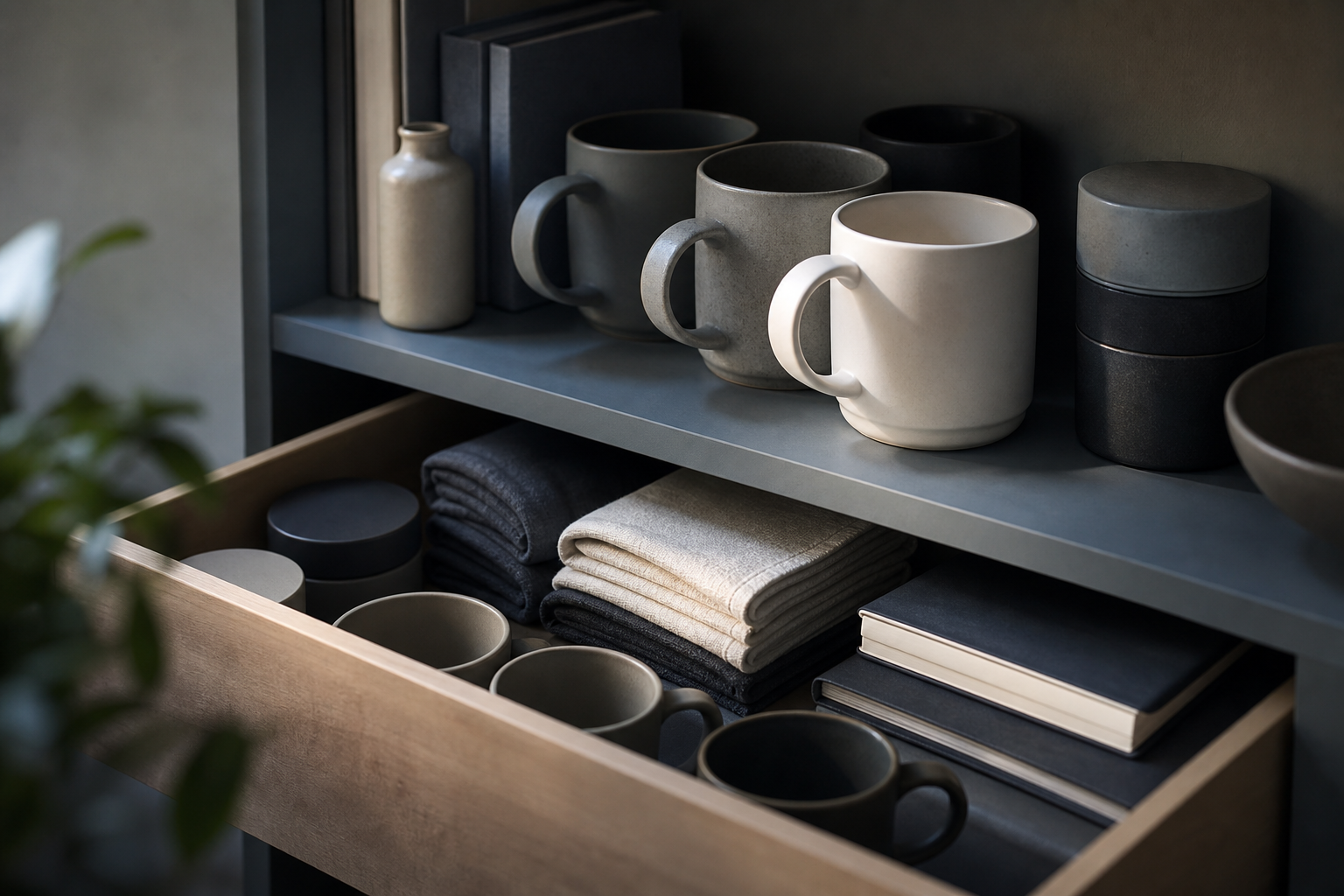
You may already own enough clothes, notebooks, skin care, kitchen tools, or chargers. Still, a new version can feel strangely urgent.
That pull does not mean your current things are useless. New things offer novelty and the promise of a small reset. The item you own is tied to ordinary life. The item on the screen still gets to represent possibility.
So the desire can return even when the practical need is weak.
You can keep enjoying new things while noticing when a purchase is carrying a job that an object cannot do for long.
New things get to stay perfect in your mind
The mug in your cupboard has a chip. Your water bottle needs washing. The black shirt you own is in the laundry. Your half-used notebook contains crossed-out plans from last month.
A new item has none of that history yet.
It looks clean and uncomplicated. You can imagine the better routine without dealing with the routine you already have. That gap makes buying feel more appealing than using, repairing, cleaning, or finding the current version.
This is one reason wanting new things can continue in a home that is already full. The desire is often about the feeling attached to the new version, not the category itself.
The purchase may be promising a fresh start
A new planner can feel like organized days. New workout clothes can feel like energy. A storage box can feel like a calmer home.
Sometimes the item helps. But the feeling attached to it is usually bigger than the object.
If you have repeated this pattern, skip the criticism and ask what change the item seems to promise. You may be looking for momentum, control, comfort, confidence, or a break from boredom.
That is close to buying for your fantasy self, where the purchase is aimed at an imagined life rather than the week you are actually living.
Naming the promise gives you another way to respond. If the new notebook represents a fresh start, one clean page in the notebook you own may be enough for today.
Novelty is louder than ownership
Online shopping keeps the possible item in front of you. The things you own are scattered through drawers, cupboards, bags, and laundry baskets.
That creates an uneven contest.
The product page has bright photos and a clear promise. Your existing item may be out of sight, mildly annoying, or so familiar that you barely notice it. Familiarity can make something useful feel emotionally flat without making it less useful.
Before buying another version, bring the current version back into view. Find it. Hold it. Check its condition. Use it once if you can.
You do not have to keep everything forever. Bringing the current item into view puts what you own and what you want into the same decision.
Small irritation can turn into a shopping urge
Sometimes you want the new version because the current one creates friction.
The charger is always in the wrong room. The bottle leaks. The drawer is messy. The shirt fits, but not in the way you hoped. Buying can seem easier than solving the irritation.
A useful question is: "Do I need a different item, or do I need the current item to be easier to use?"
Try the smaller fix first. Move the charger. Wash the bottle. Put similar items together. Tailor, repair, refill, or donate what no longer works for you.
If the problem remains, replacing the item may be reasonable. The difference is that you are responding to a specific problem instead of a vague desire for newness.
This is also why wanting to upgrade things that still work can become its own loop. A small inconvenience starts to feel like proof that the whole object needs replacing.
A quick check for need, novelty, or relief
When you want something new, pause long enough to answer four questions:
- What do I expect this item to change?
- Do I already own something that does the practical job?
- Is my current item broken, unsuitable, or simply familiar?
- Would I still want this after one ordinary day, without the product page open?
Your answers do not have to justify keeping or buying. They help you see what kind of decision you are making.
A practical replacement has a clear job. A novelty purchase may still be enjoyable, but it should fit your available money and space. A relief purchase deserves a little time because the mood may pass before the parcel arrives.
For purchases with emotional charge, the 24-hour rule gives the first wave of urgency time to settle.
Make enough easier to see
You do not need to catalog your whole home. Start with the categories that repeatedly tempt you.
Put similar items in one place. Take a quick photo of what you own. Keep unfinished products visible. Make a short "use first" list for things such as skin care, notebooks, candles, clothes, or pantry supplies.
Visibility changes the decision. "I probably have one" is vague. Seeing three open bottles or four black shirts is concrete.
Then remove avoidable friction. Keep the working charger where you use it. Put the comfortable clothes within reach. If an item is technically usable but consistently wrong for your needs, admit that too. Enough should not mean keeping things that make daily life harder.
Make ownership visible before another product gets to define what is missing.
Put the price next to your time
Newness can make a small price look harmless. One replacement bottle, another top, or a nicer set of headphones may not feel serious on its own.
Translate the price into work time before you decide. If the purchase costs three hours of your take-home pay, ask whether you would trade those three hours for the item and the feeling you expect from it.
The price-to-time comparison leaves the choice with you. It makes the cost easier to compare with the promise.
paus is built for that moment. It shows a price in work hours and gives you room to choose Yes, No, or Put it on paus before the purchase becomes automatic.
You can enjoy new things without chasing every reset
Wanting something new is ordinary. Problems start when every dull week, messy drawer, or uncomfortable feeling turns into a product search.
Try to give the underlying need a direct response first. Rest if you are depleted. Use one page if you want a fresh start. Fix the small irritation. Spend time with something you already chose.
If you still want the item after that, you can decide with clearer eyes. Pausing protects the difference between a purchase you choose and a feeling that chooses for you.
FAQ
Why do I always want to buy new things even when I have enough?
New things can offer novelty, relief, and a sense of possibility. The items you own are familiar and tied to ordinary life, while a new item can still represent a cleaner routine or a fresh start. The desire is often about that promise rather than a practical shortage.
How can I stop wanting the newest version of everything?
Bring the version you own back into view, name the problem you expect the new item to solve, and wait before replacing anything that still works. If the issue is a small irritation, try fixing the irritation first.
Is it wrong to buy something just because it is new?
No. Novelty can be enjoyable. The decision becomes safer when the purchase fits your money and space, and when you are honest about buying enjoyment rather than pretending the item is necessary.
What should I ask before buying another version of something?
Ask what you expect it to change, whether you already own something that does the job, and whether the current version is unsuitable or simply familiar. Then compare the price with the work time it costs you.