
Why Do I Keep Wanting to Upgrade Things That Still Work?
If you keep wanting a newer version of something that still works, the pull is often about more than features. Here is why upgrades feel so tempting and how to tell a real need from an emotional one.

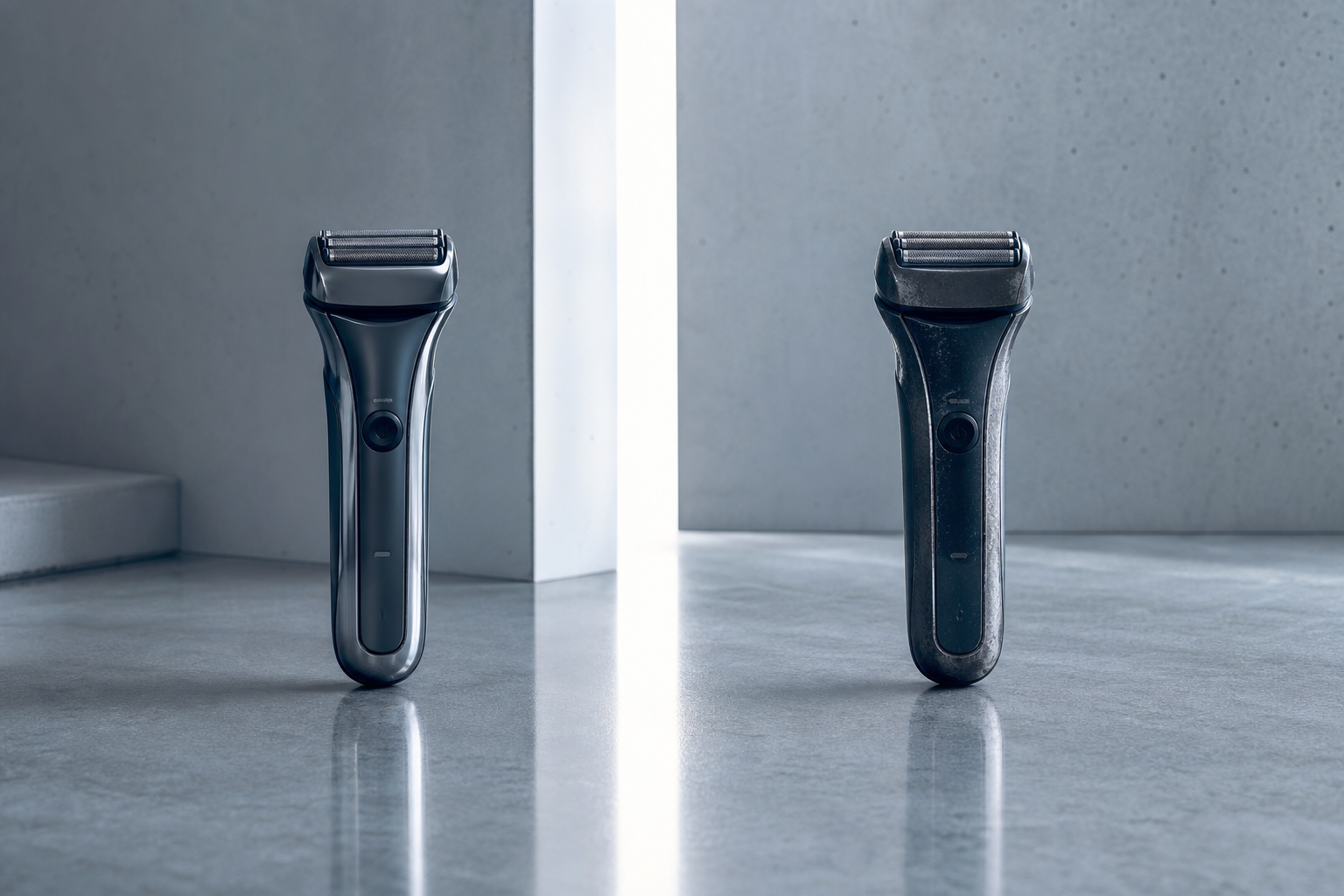
Sometimes the thing you want to replace is completely fine.
Your phone still works. Your laptop still opens. Your headphones still sound good. Your coffee maker still makes coffee.
And yet the newer version starts to feel weirdly important.
It is not always because your current item is broken. Often, it is because the upgrade starts to feel like relief. Or momentum. Or proof that life is moving again.
That is why wanting an upgrade can feel so persuasive even when you know, on paper, that you do not need one.
If you keep wondering why you want to upgrade things that still work, the answer is usually not just "I like nice stuff." The newer version may be carrying hope, identity, convenience, or the promise of becoming a slightly better version of yourself.
Once you can see that clearly, it gets much easier to tell the difference between a useful upgrade and an emotional one.
The upgrade urge is usually not just about features
Most people do not get pulled in by specs alone.
They get pulled in by what the newer version seems to mean.
A new phone can feel like a cleaner life. A new laptop can feel like getting serious. A better blender can feel like finally becoming the kind of person who cooks. A new bag can feel like becoming more pulled together.
The object may have real improvements. But the emotional pull often comes from the story around it.
That story usually sounds like this:
- I would be more efficient with this
- I would finally get organized
- I would use this version properly
- I would stop dealing with all the little annoyances
- I would feel more current, capable, or on top of things
That is why upgrades are slippery. They are rarely pure impulse buys in the obvious sense. They often come wrapped in practical language.
Why a newer version can feel like a fresh start
Upgrades are attractive because they compress a bigger fantasy into one object.
You are not just buying a device, tool, or accessory. You are buying a reset button.
A new thing can feel like a shortcut to a new mood. Less friction. Less clutter. More energy. More competence.
That is especially true when you feel stuck, behind, or irritated with your current routines. A slow laptop may be annoying. But sometimes the urge to replace it grows bigger because you are also tired of how your work life feels. The item becomes a stand-in for the part of life you want to improve.
This is close to what happens with How to Stop Buying Things for Your Fantasy Self. The difference is that upgrade urges often feel more justified because there is already an item there. You are not buying from scratch. You are telling yourself you are simply improving what you already use.
That makes the emotional part easier to miss.
The modern shopping environment makes upgrades feel normal
There is also a reason these urges keep showing up.
Modern shopping is built around the idea that good enough should start feeling outdated.
Every launch tries to make the latest version feel cleaner, smoother, smarter, lighter, or somehow more you. Even small changes get packaged like they are major life improvements.
Then your brain fills in the rest.
Maybe the new version would help. Maybe it would remove one daily annoyance. Maybe it would make you feel less behind.
None of that means you are gullible. It means you are human. If you are tired, restless, or craving a change, upgrade marketing lands harder.
Signs you want the feeling of upgrading more than the upgrade itself
A lot of useful decisions become clearer once you ask whether you want the item or the state you imagine around it.
Here are a few signs the urge may be more emotional than practical.
Your current item works, but suddenly feels embarrassing
Nothing major changed about the object. What changed is how you feel while looking at it.
Maybe it seems old, dull, clunky, or not like the person you want to be anymore. That shift matters. It often means identity has entered the decision.
You are picturing a better version of yourself more than actual use
You are imagining how tidy, productive, stylish, healthy, or efficient you will be after the upgrade.
But when you picture normal Tuesday use, the difference gets less dramatic. That is a clue.
The urge gets stronger when you feel stuck somewhere else
Maybe you want the upgrade most after a frustrating workday. Or when you are feeling behind. Or when your routines feel stale.
That does not make the item irrelevant. But it does suggest the purchase may be carrying emotional repair work.
You keep focusing on friction relief that may not change much
Sometimes the current item really is annoying. But sometimes the mind turns a mild inconvenience into a story about why a new object will fix your whole rhythm.
A new version may save a few seconds. It may feel nicer. It may reduce one irritation. That is different from changing your life.
The timing feels urgent even though the need is not
If you had to wait two weeks, would anything serious happen? If the honest answer is no, but waiting feels emotionally uncomfortable, that tells you a lot.
How to tell a real upgrade from an emotional one
This is the useful middle ground.
Not every upgrade is unnecessary. Some replacements are absolutely worth it. The goal is not to shame yourself for wanting better tools. The goal is to separate real utility from emotional overreach.
A real upgrade usually has clearer answers to a few questions.
Is the current item actually limiting something important?
Is it failing often? Is it costing you time every single day? Is it making work harder in a concrete way? Is repair unrealistic?
If the current item is regularly creating meaningful friction, that is real information.
Can you describe the benefit without vague self-improvement language?
Try to explain the upgrade in plain terms.
Not "I will finally have my life together." More like:
- battery lasts long enough for travel days
- current laptop crashes during meetings
- shoes cause pain after thirty minutes
- current bag does not fit what I use daily
The more specific the benefit, the easier it is to trust the decision.
Would the upgrade still make sense if you were already in a good mood?
This question cuts through a lot.
If you were rested, steady, and not craving a reset, would the new version still be worth the money? If yes, great. That suggests the case is stronger. If no, the purchase may be trying to solve a feeling first.
Are you upgrading to solve a problem, or to end a mental loop?
Sometimes buying feels attractive because it would end the debate. No more tabs. No more comparing. No more thinking about it.
That kind of closure can feel amazing. It can also be expensive. If the strongest benefit is "I would finally stop thinking about this," you may be dealing with the same loop behind Why You Can't Stop Thinking About Buying Something.
A calm checklist before you upgrade
If you want a simple filter, try this before you buy:
- Write down what is wrong with the current item.
- Separate real functional problems from annoyance, boredom, or identity discomfort.
- Name what you hope the new version will change.
- Wait long enough to see if the urgency drops.
- Compare the cost to the actual improvement, not the imagined life upgrade.
That fourth step matters more than people think. A lot of upgrade urges are intense but short-lived. The object feels loaded for a day or two, then becomes ordinary again.
If the case still feels solid after the emotional charge settles, the purchase is easier to trust.
Use work-hours thinking when upgrade costs start to blur
Upgrades are one of the easiest places for money to become abstract.
The number is bigger than a random impulse buy, but it can still get normalized fast. You start comparing it to trade-in offers, monthly payments, resale value, or what other people spend. Soon the price stops feeling like real life.
That is why work-hours framing helps.
Instead of asking, "Is this cheaper than last year's version?" ask, "How many hours of my life does this upgrade cost?"
That question slows the mood down. It also helps you compare the real gain against the real tradeoff.
If you want help doing that in the moment, try paus. It gives you a calmer space before checkout and helps you see what a purchase really costs in work hours.
You can also pair this with How to Turn a Price Into Work Hours Before You Buy if the upgrade still feels tempting.
You do not need to make every upgrade a moral issue
Some upgrades are smart. Some are wasteful. A lot sit in the middle.
You do not need to prove that wanting something newer makes you shallow. You also do not need to automatically believe every urge that arrives dressed as self-improvement.
A better question is simpler:
What job am I asking this new thing to do?
If the answer is concrete, lasting, and useful, the upgrade may be worth it. If the answer is mostly emotional relief, identity repair, or the hope of becoming a different person by next week, a pause will probably save you money.
That is the heart of it. The newer version may be better. But it is still worth checking whether what you really want is the object, or the feeling that comes with imagining it.
FAQ
Why do I keep wanting to upgrade things that still work?
Because the newer version often starts to mean more than better features. It can feel like progress, relief, competence, or a fresh start, especially when you feel stuck or irritated with your current routines.
How do I know if I really need an upgrade?
Look for concrete limits: breakage, repeated failure, pain, major time loss, or specific missing functions. If your reasons are mostly vague self-improvement hopes, the urge may be more emotional than practical.
Are upgrades always a kind of impulse buying?
No. Some upgrades are reasonable and genuinely useful. The problem is when the emotional promise around the newer version gets mistaken for practical necessity.
How can I stop unnecessary upgrades?
Name what feels wrong with the current item, wait for the urgency to settle, and translate the cost into work hours. That helps you tell the difference between a real problem and a temporary upgrade mood.