
Why Do I Keep Ordering Food Delivery When I Already Have Food at Home?
If you keep ordering delivery even when you already have food at home, the problem usually is not hunger alone. Here's why it happens and how to interrupt the loop.

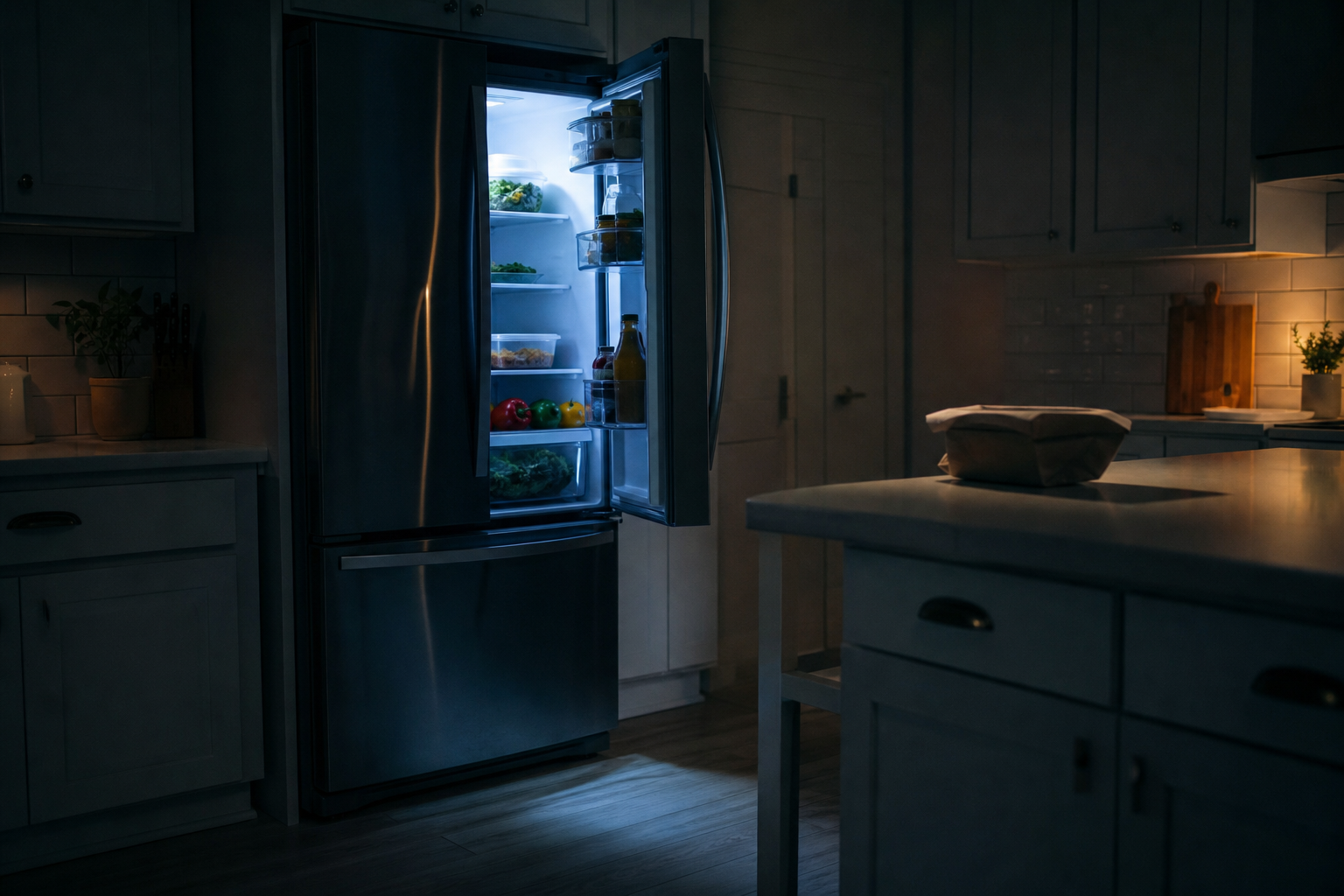
You open the fridge.
There is food in there. Not nothing. Actual food.
Maybe leftovers. Maybe groceries you meant to cook. Maybe ingredients that technically add up to dinner.
And still, ten minutes later, you are on a delivery app.
If you keep ordering food delivery when you already have food at home, it can feel weirdly hard to explain. You know the food exists. You know delivery costs more. You may even feel annoyed at yourself before you place the order.
But in the moment, delivery can feel easier, safer, and somehow more possible than using what you already have.
That does not automatically mean you are lazy or bad with money. Usually it means the food at home is asking for a kind of energy you do not have right then.
And delivery is offering relief.
Why food at home can feel unavailable even when it exists
A lot of people think this habit is about motivation. Very often, it is about friction.
Food at home is not just food. It can also mean:
- choosing what to make
- checking what is still good
- dealing with cleanup
- accepting a meal that feels less exciting than what you want
- using mental energy you already spent somewhere else
So yes, there may be food in the house. But if your brain is tired, the food can still feel unavailable.
This is especially common after work, after errands, late at night, or during emotionally heavy weeks. You are not only asking, "What can I eat?" You are also asking, "What can I handle?"
Delivery often wins because it reduces effort in a very specific way. It removes planning. It removes cleanup. It removes the small disappointment of making do. And it lets you skip straight to relief.
That is why this pattern overlaps with how to stop convenience spending when you're too tired to think. The money is partly buying food, but it is also buying less resistance.
What delivery is really solving in the moment
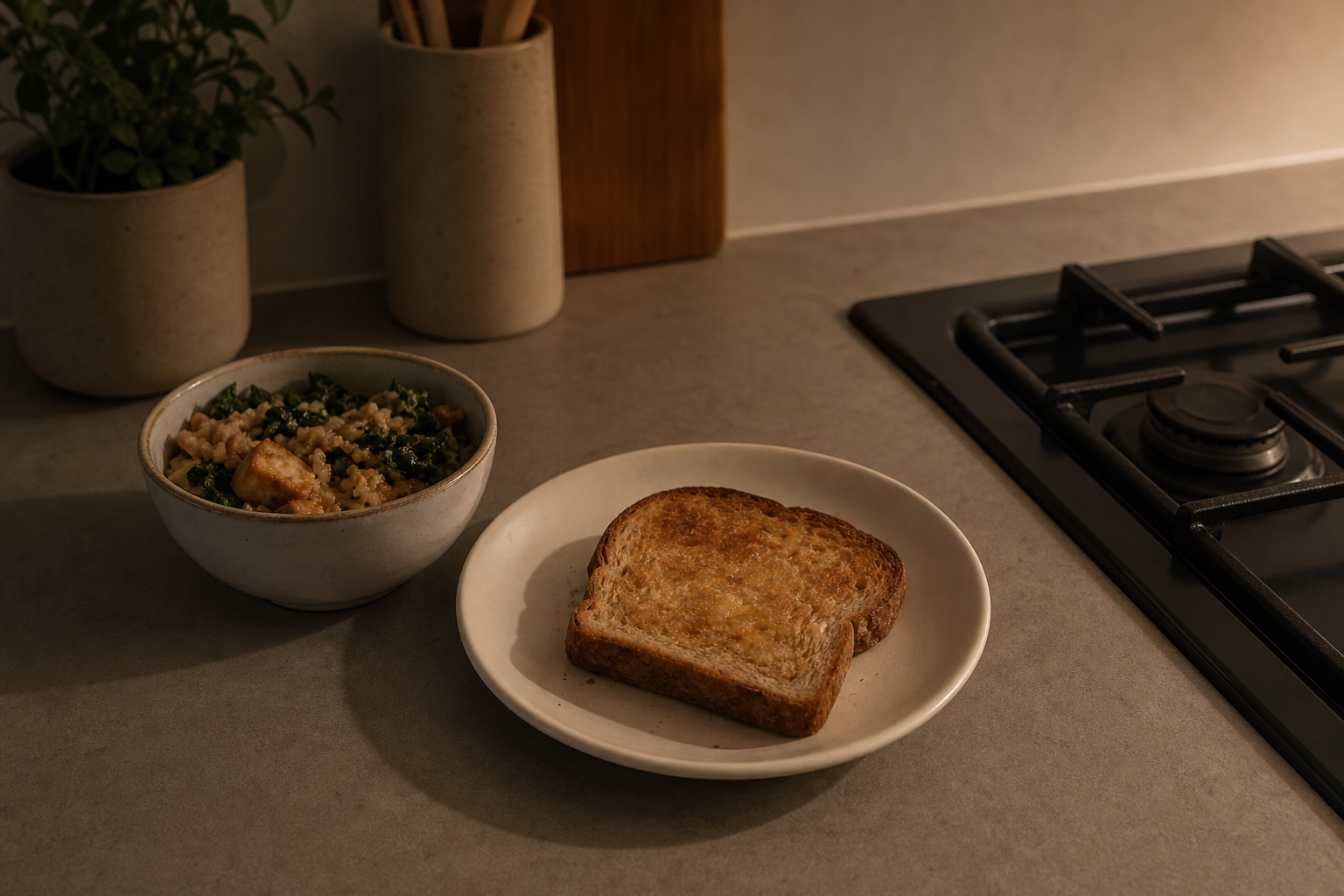
Most repeat delivery habits are not only about craving a certain meal. They are often solving for one of a few emotional or mental problems.
1. You want the easiest possible next step
When you are depleted, even simple tasks can feel bigger than they are. Opening a container, reheating something, washing one pan, or deciding between two ingredients may feel like one more demand.
Delivery offers a clean sequence. Pick. Tap. Wait.
That can feel incredibly soothing when your day has involved too many decisions already.
2. You want comfort, not just calories
The food at home may be fine. But it may not feel rewarding.
If the day was stressful, lonely, boring, or disappointing, you may want a meal that feels like a treat. Something warm, specific, and chosen for your current mood.
In that sense, delivery can act a lot like emotional spending in other categories. You are not only feeding yourself. You are trying to change the feeling of the evening.
3. You resent the effort your home food still requires
This part is easy to miss. Sometimes the issue is not tiredness alone. It is resentment.
You already worked. You already commuted. You already dealt with people, messages, noise, and responsibilities. Now the food at home still wants something from you.
Delivery feels different. It feels like being served instead of being asked for more.
That emotional difference matters.
4. You want a reset
A delivery order can feel like a line between the day you had and the evening you want. It gives you something to look forward to. Something that says, "Now I am off the hook for a minute."
That is one reason this habit can show up alongside why do i spend more after a bad day at work. The order becomes part food, part emotional transition.
Why this habit feels extra frustrating and expensive
This loop has a special kind of sting because it often feels like paying twice.
First, you spent money on groceries. Then you spend more money avoiding the groceries.
That can create a very particular guilt. Not just, "I spent too much." More like:
- why did I buy food if I was not going to use it
- why does dinner keep getting expensive in two different ways
- why does the easy option keep winning when I know better
It can also make you doubt yourself.
You may start telling yourself that you are wasteful, undisciplined, or hopeless with routines. But that explanation is often too shallow.
The problem usually is not that you do not care. It is that the food at home and the person arriving home are mismatched.
You bought the groceries for a version of you with more patience, more time, or a better mood. Then real life showed up.
That is also why this pattern often sits close to why do I keep buying groceries I never end up using. The grocery purchase may belong to your hopeful self. The delivery order belongs to your depleted self.
The hidden role of depletion, decision fatigue, and resentment
If you keep ordering takeout when you already have food at home, there is a good chance you are underestimating how much your state affects your spending.
Decision fatigue matters here. So does stress. So does the quiet resentment that builds when daily life feels like a long list of obligations.
When you are depleted, your brain starts pricing effort differently. A delivery fee that seemed silly at noon can feel worth it at 7 p.m. Not because the number changed, but because your capacity did.
That shift can sound like:
- I cannot deal with this right now
- I need one thing to be easy
- I do not want to think anymore
- I deserve something better than random leftovers
- I already had a hard day
Those thoughts are not irrational. They are signals.
The trouble starts when every tired evening gets solved the same way. Because then relief turns into a spending pattern. And the pattern can get expensive long before it looks dramatic.
This is also why the habit can spread. Once delivery becomes your most reliable form of evening relief, other purchases can start working the same way too. Coffee out. Small treats. Quick online orders. One more convenience upgrade.
How to interrupt the delivery loop without guilt
The answer is usually not stricter self-talk. If anything, more shame tends to make the evening feel worse, which can make the urge to order even stronger.
A better approach is to reduce the gap between what tired-you can handle and what home food requires.
1. Stop treating all food at home as equally usable
This helps a lot.
There is a difference between:
- ingredients that could become dinner
- leftovers that need reheating
- food that is ready in under five minutes
- food that feels comforting on a hard day
If your fridge is full of "technically possible" meals, delivery will keep looking better.
What matters is not whether you have food. What matters is whether you have food your tired self will actually say yes to.
2. Name the real reason before you order
Before you open the app all the way, ask:
- Am I hungry, or am I fried?
- Do I want this meal, or do I want the relief of not dealing with dinner?
- What feels hard right now: cooking, deciding, cleaning, or the day I had?
That question can sound small, but it changes the moment. It turns an automatic order into something you can actually see.
3. Build one or two low-friction rescue meals
Not aspirational meals. Not healthy ideal self meals. Rescue meals.
The kind you can make when you do not want to think. The kind that still feels like care, not punishment.
The point is not to become perfectly prepared. It is to give yourself one alternative that can compete with delivery when your brain is done.
4. Create a short pause before ordering
Even a small pause helps.
Try something like:
- drink a glass of water first
- heat the easiest thing you already have, then decide
- wait ten minutes before checking out
- sit down before choosing instead of ordering while standing in the kitchen feeling defeated
This is where paus fits naturally. It gives you a clean place to stop before you buy, see what the order costs in work hours, and decide from a calmer state instead of a drained one.
5. Plan for the evenings that usually trigger delivery
The goal is not to win every night. The goal is to notice your pattern.
Maybe delivery tends to happen:
- after long workdays
- on the way into the weekend
- when groceries are random and uninspiring
- when you are lonely
- when the kitchen feels messy
Once you know the pattern, you can design around it. That matters more than making promises in the abstract.
When work-hours framing helps
Food delivery can feel small because it is familiar. One order does not look like a life decision.
But repeated delivery is a good example of how everyday spending hides its real cost.
When you are about to order, it can help to ask: How much work time do I want this meal to cost? And is that cost about hunger, or about the state I am in?
That question is not meant to shame you out of dinner. Sometimes delivery really is worth it.
It is meant to make the tradeoff visible. Especially on nights when the order is less about food and more about trying to recover from stress, resentment, or depletion.
If the meal costs another hour or two of your working life, you deserve to know that before you tap through. Not after.
A gentler way to think about the pattern
If you keep ordering food delivery when you already have food at home, the issue is rarely just hunger or laziness. More often, home food is colliding with a version of you that has no margin left.
That is useful to know. Because it means the answer is not only "try harder." It may be:
- make tired-night food easier
- notice when resentment is driving the order
- build a pause before checkout
- stop expecting depleted-you to act like optimistic grocery-store-you
You do not need perfect discipline. You need a little more honesty about what the order is doing for you.
And once you can see that clearly, you have more choice. You may still order sometimes. That is fine. But it does not have to stay automatic.
If this is one of your repeating loops, try paus. It helps you slow the moment down, see the real cost in work hours, and make a calmer call before another tired evening turns into another expensive default.
FAQ
Why do I order takeout when I already have food at home?
Usually because the food at home still feels like effort. Delivery can feel easier because it removes planning, cleanup, and decision-making while also offering comfort.
Is ordering delivery a form of emotional spending?
Sometimes, yes. If the order is mostly helping you soothe stress, resentment, loneliness, or exhaustion, it is doing more than solving hunger.
How do I stop ordering food delivery so much?
Focus on low-friction alternatives, short pauses before checkout, and noticing the states that trigger ordering. The goal is not perfection. It is making the habit less automatic.
Why does the food in my fridge feel less appealing than delivery?
Because appeal is not only about taste. It is also about effort, mood, cleanup, and whether the meal feels comforting enough for the state you are in.