
Why Do I Keep Buying Groceries I Never End Up Using?
If groceries keep going bad in your kitchen, the problem may not be simple laziness. A lot of overbuying starts with hope, stress, and shopping for a version of the week that never quite happens.

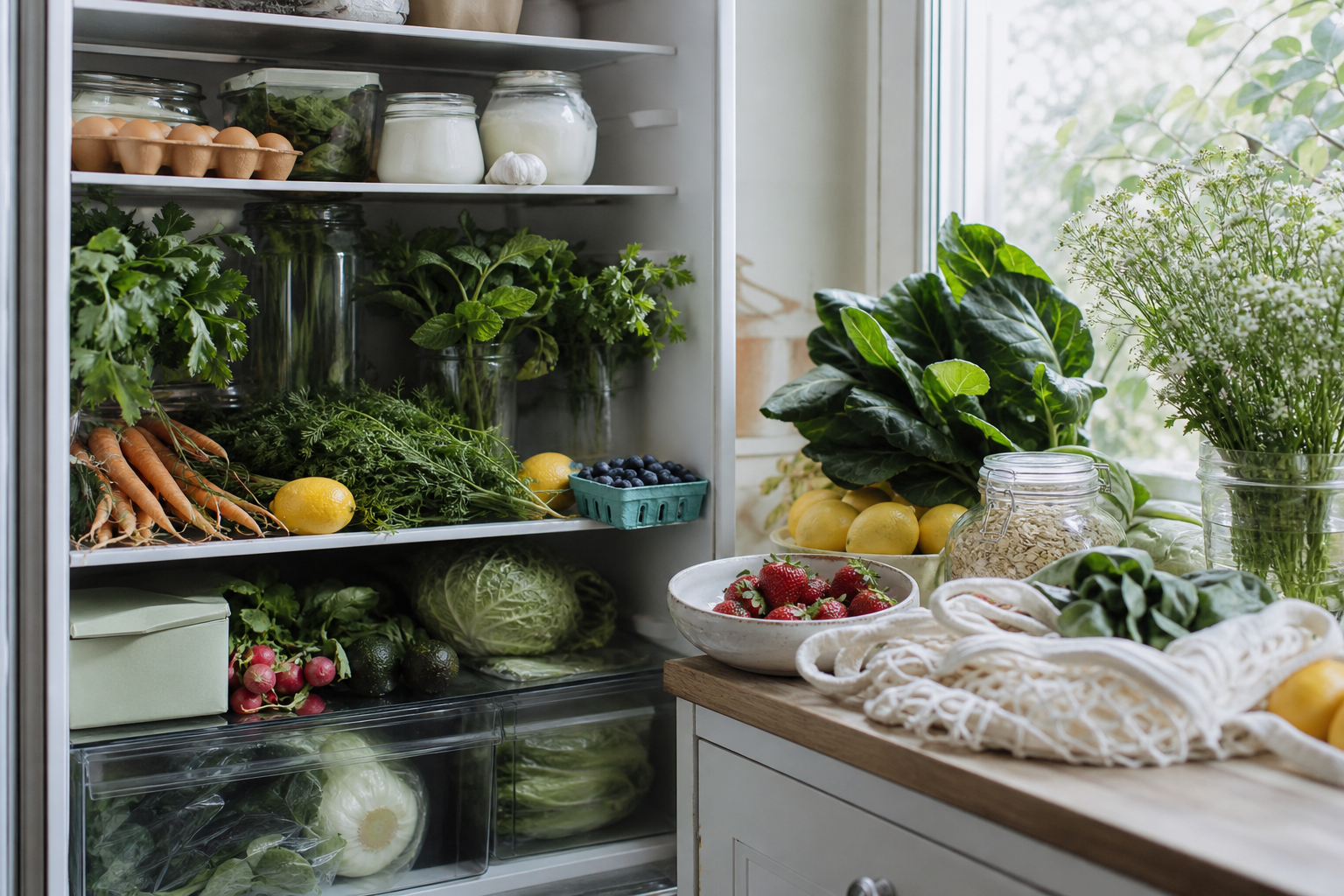
You come home with good intentions.
Greens for lunches. Ingredients for dinners you swear you are going to cook. Maybe berries, herbs, yogurt, sparkling water, a sauce you saw in a recipe, and one or two things that make you feel like this will be a better week.
Then life happens.
You get tired. Plans shift. You order takeout. You make something quick. A few days later the spinach is limp, the avocados are too far gone, and the expensive ingredient you were excited about is now just sitting there making you feel a little guilty every time you open the fridge.
If you keep buying groceries you never end up using, the problem is usually not that you are lazy or hopeless.
More often, you are shopping for a version of your future life that feels possible in the store and harder to live once the week actually starts.
That is why grocery overbuying can feel so confusing. The purchases look practical. Responsible, even. But underneath them there is often hope, pressure, fatigue, or a quiet attempt to fix how life feels.
Why grocery overbuying feels so reasonable in the moment
A lot of emotional spending looks obviously emotional.
Groceries usually do not.
Food is necessary. Cooking at home sounds responsible. Buying ingredients for the week can feel like proof that you are trying.
That logic is exactly why grocery overbuying slips past your defenses.
You are not telling yourself, "I am making an emotional purchase." You are telling yourself, "I am getting my life together."
And sometimes you are.
But sometimes the cart is doing more than feeding you. It is carrying a whole fantasy about who you are about to become.
Someone organized. Someone healthier. Someone who will absolutely cook three proper dinners after work. Someone who will stop wasting money on delivery. Someone who wakes up early enough to wash the fruit before it goes bad.
That is why this pattern sits close to How to Stop Buying Things for Your Fantasy Self. The item is not only an item. It becomes a vote for a better version of you.
What you may really be buying when you overfill the cart

Unused groceries often make more sense when you stop looking only at the food.
A lot of the time, the real purchase is emotional.
You may be buying hope for a more put-together week
The grocery store is full of fresh-start energy.
At the beginning of the week, it is easy to believe you are about to cook more, snack less, drink more water, stop ordering out, and feel more in control.
That optimism is not fake. It is just fragile.
If your real week is crowded, tiring, or unpredictable, the hopeful version of the week may never fully arrive. The groceries were bought for a life with more energy than the one you actually have.
You may be buying relief from guilt
Sometimes a grocery run feels like a reset after a stretch of takeout, random snacks, or spending that feels out of control.
You buy ingredients with a kind of emotional urgency. This week will be different. This week I will be better. This week I will stop wasting money.
That can feel good for a moment.
But if the cart is trying to erase guilt, it may get overloaded fast.
You may be buying an identity
Some groceries come with a whole personality attached.
The person who meal preps. The person who makes beautiful lunches. The person who cooks from scratch. The person who always has fresh herbs, good produce, and a plan.
That identity can be part of the appeal.
It is similar to Why Do I Keep Buying Things to Feel Prepared?. The purchase can feel like safety, competence, and self-respect all at once.
You may be buying a solution to exhaustion
This is the part many people miss.
Sometimes the problem is not food planning. It is energy.
You buy groceries for the person you are on Sunday afternoon, then try to use them as the person you are on Tuesday night.
Those are often two different people.
Sunday-you believes in roasted vegetables, proper dinners, and homemade breakfasts. Tuesday-you wants something fast with almost no decisions.
That gap matters.
It also overlaps with How to Stop Convenience Spending When You're Too Tired to Think. Tired brains do not suddenly become ambitious because the fridge is full.
Signs you are shopping for your fantasy week instead of your real one
You do not need to buy only frozen vegetables and cereal forever. The goal is not to kill all hope.
The goal is to notice when the cart has drifted away from reality.
A few signs usually show up.
The plan depends on a dramatic personality change
If the groceries only make sense if you suddenly become more disciplined, less tired, more organized, and better at life by Wednesday, pause there.
That is not a grocery plan. That is a self-reinvention plan.
You keep buying ingredients, not meals
A fridge full of ingredients can feel productive.
But if the ingredients do not clearly connect to a real meal you know you will make, they can quietly become wishful thinking.
A bag of greens, a sauce, fresh herbs, mushrooms, lemons, and a grain might look healthy together. But if they do not add up to something easy in your real schedule, they can just become expensive optimism.
You shop for your best mood, not your usual mood
This one is common.
You shop while calm, motivated, or inspired. Then you try to use those groceries when you are rushed, overstimulated, or low-energy.
If your grocery choices only work when you feel unusually good, the plan is too fragile.
You keep overestimating your future free time
A lot of grocery waste is really calendar denial.
You buy like you have three open evenings, then remember you have work, errands, laundry, social obligations, and a nervous system that is already tired.
The cart feels morally loaded
If the groceries feel like proof that you are being good, healthy, disciplined, or finally getting it together, the cart may be carrying more emotion than it looks.
That kind of pressure can actually make follow-through harder.
How to tell a realistic grocery need from an aspirational one
This is the filter that helps most.
Before you buy, ask what job the food is supposed to do.
A realistic grocery need fits your actual week
It sounds concrete.
I need two easy dinners I will still want when I am tired. I need breakfast I can make in five minutes. I need snacks I will genuinely reach for. I need one vegetable that will last, not six that require effort.
The purchase matches your real energy, schedule, and habits.
An aspirational grocery purchase asks too much from you
It sounds bigger and blurrier.
Maybe this will make me eat like the person I want to be. Maybe this will be the week I cook every night. Maybe buying this will get me back on track. Maybe this expensive healthy food will make me finally act different.
That does not mean you can never buy the thing.
It means the purchase may be carrying hope that belongs somewhere else.
Ask one useful question: would I still buy this for a tired Wednesday?
This question cuts through a lot.
If the answer is no, the item may belong more to your fantasy week than your real one.
That does not automatically make it a bad purchase. It just makes the tradeoff clearer.
Build from your lowest-energy self, not your ideal self
A better grocery plan often starts with honesty.
What do you eat when you are tired but trying? What feels easy enough to survive a rough day? What actually gets used in your kitchen instead of admired in your fridge?
That is your real baseline.
Once you shop for that person, waste usually drops.
Why work-hours framing helps with grocery overspending too
Groceries can escape scrutiny because each item seems normal.
A few extra things here. A nicer version there. Produce with good intentions. A specialty ingredient because maybe you will cook something ambitious. It does not feel dramatic.
But the total still matters.
That is where work-hours framing helps.
How to Turn a Price Into Work Hours Before You Buy is not only for big purchases. It works for carts too.
That extra fifteen dollars of produce you probably will not use is not only fifteen dollars. That aspirational recipe haul is not only forty-two dollars. That stack of healthy snacks you do not even like very much is not only another quick add-on.
It is your time.
When you see the cart in work hours, the question changes.
Not "Should I be allowed to want this?" But "Does this match the life I actually have this week?"
That question is calmer. And usually more honest.
You do not need more guilt. You need a truer plan.
A lot of people react to grocery waste by getting harsher with themselves.
They call themselves lazy. Wasteful. Undisciplined. Bad at adulthood.
Usually that just adds shame without fixing the pattern.
A better move is to get more accurate.
Maybe you are not bad at groceries. Maybe you keep buying for a version of the week that rarely happens. Maybe the cart is trying to buy energy, structure, hope, or self-respect. Maybe your food plan keeps failing because it was built for your ideal self instead of your real one.
That is fixable.
You can shop for the week you are actually going to live. You can buy fewer identity promises. You can build a cart that still makes sense when you are tired.
If you want help catching that moment before checkout, try paus. It can help you slow down, see what a purchase really costs in work hours, and decide whether you are buying food for your real life or for a future version of yourself.
FAQ
Why do I keep buying groceries and not using them?
Usually because the groceries were bought for an imagined week with more energy, more time, or better habits than your real week allows. The problem is often mismatch, not laziness.
Is overbuying groceries a kind of emotional spending?
It can be. Grocery overspending often looks practical, but it can still be driven by hope, guilt, stress, or identity. That is especially true when the cart is trying to create a fresh start.
Why do my groceries go bad before I use them?
Often because your purchases depend on a level of cooking, planning, or energy that does not hold up once the week gets busy. Perishable food exposes that gap fast.
How do I stop wasting money on groceries?
Shop for your real schedule and your tired self, not your ideal self. Buy fewer aspirational items, choose meals you will actually make, and pause when a purchase feels like it is supposed to change your whole life.