
Spontaneous Spending Sounds Harmless Until You Add It Up
Spontaneous spending rarely looks dramatic. It usually looks like harmless little yeses. Here is why those unplanned purchases add up so fast, and how to catch them earlier without shame.

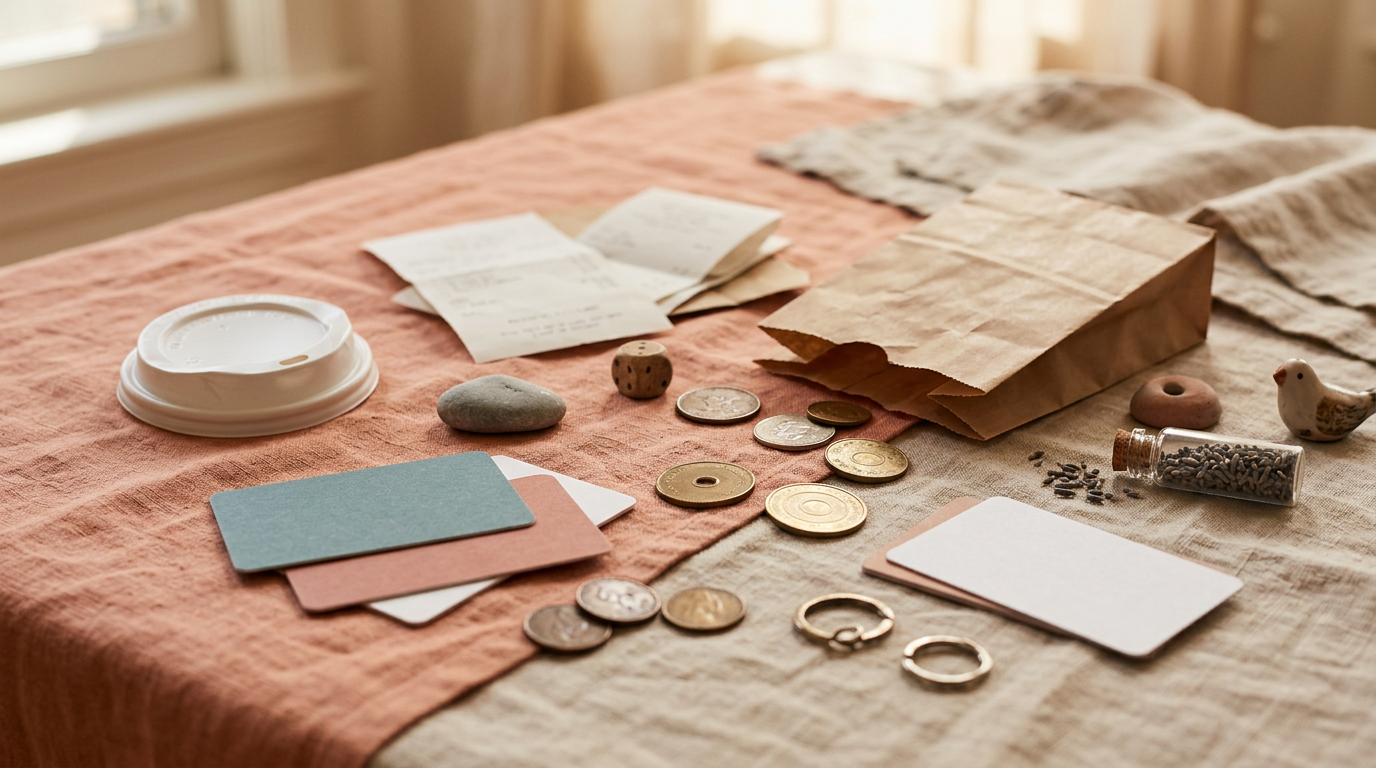
Spontaneous spending usually does not look serious.
That is part of the problem.
It rarely announces itself as a money issue.
It looks like a coffee because the afternoon feels long.
A small cart because shipping is free.
A “why not” purchase because you have been good lately.
A quick tap because the item is inexpensive, practical enough, or easy to justify.
None of those moments seems big on its own.
That is why spontaneous spending can quietly become expensive before you fully notice it.
If you keep wondering where your money goes even though you are not making huge dramatic purchases, this may be part of the answer.
What spontaneous spending actually is
Spontaneous spending means buying something without really planning to.
The purchase may be small.
It may even be useful.
The point is not that every spontaneous purchase is irresponsible. The point is that the decision happens quickly, casually, and without much space between urge and action.
That is what makes it easy to miss.
A lot of people think only obvious impulse buying counts. But spontaneous spending often feels softer than that.
It can sound like:
- I was already out, so I grabbed it
- it was only a little extra
- I just needed a pick-me-up
- I was not planning to buy it, but it made sense in the moment
- it did not feel important enough to think hard about
That last line matters.
Spontaneous spending often slips through because the purchase feels too minor to deserve a pause.
Why spontaneous spending feels so harmless

A big reason this pattern survives is that each purchase gets judged alone.
One snack.
One delivery upgrade.
One skin care restock plus one extra thing.
One home item because you were already browsing.
One low-cost app subscription because the free trial ended.
Each moment feels tiny.
But your bank account does not experience them one at a time. It experiences the pile.
Small purchases do not trigger the same alarm
When a purchase is large, your brain tends to slow down.
When it is small, your brain often waves it through.
That is part of why small purchases do not feel like real money. The number may be real, but it does not land with full emotional weight.
So the purchase slides by before your deeper judgment shows up.
“Spontaneous” sounds better than “impulsive”
Language matters more than people think.
Impulsive can sound messy.
Spontaneous sounds light.
Fun.
Flexible.
Even a little alive.
Sometimes that label softens your self-protection.
You are less likely to question the purchase because it feels like personality, not a pattern.
Modern shopping is built for casual yeses
A lot of spending does not happen because you sat down and decided to spend.
It happens because buying has become frictionless.
You see the item.
The payment details are saved.
The shipping is quick.
The app already knows what you like.
The little pause that used to protect you is gone.
That is one reason opening shopping apps on autopilot matters so much. By the time you are looking at the product, the spending decision is already halfway built.
The purchase is often doing an emotional job
Spontaneous spending is not always random.
Sometimes it is helping you shift state.
A treat when you are flat.
A reward when you are stressed.
A tiny lift after a hard meeting.
A purchase that makes the day feel less dull.
That does not mean you are broken. It means the item may be serving a purpose beyond the item itself.
This overlaps with retail therapy, but spontaneous spending can be even quieter. It may not feel like emotional spending at all. It may just feel like a quick harmless choice.
How spontaneous spending turns into a real problem
The danger is usually not one purchase.
It is the repetition.
Spontaneous spending becomes costly when your life fills with unplanned yeses that never get examined together.
The total stays invisible
This is one of the biggest traps.
You remember the individual purchase.
You do not always feel the total pattern.
So the brain keeps saying yes in small units while the monthly number grows somewhere offstage.
That can leave you with a strange kind of money confusion.
You are not “doing anything crazy.”
Yet your account keeps feeling tighter than expected.
Casual spending can become your default reward system
If buying things regularly helps you change your mood, celebrate effort, escape boredom, or soften stress, spontaneous spending can become a background habit.
Not because you are wildly out of control.
Because your brain learns that tiny purchases are a fast route to relief.
When that happens, you may start buying before you have even fully named the feeling underneath the urge.
It keeps you slightly disconnected from your real priorities
Spontaneous spending often happens in the moment.
Your values usually live a little further out.
Saving.
Breathing room.
Less clutter.
Feeling deliberate.
A stronger relationship with money.
The more often you spend casually, the easier it is to lose contact with what you actually wanted your money to do.
Signs your “little treats” are starting to run the show
Not every unplanned purchase means there is a problem.
But a few patterns are worth noticing.
You say “it was only…” a lot
Only ten dollars.
Only one extra item.
Only this once.
That kind of language often shows up when the purchase needs softening.
You buy things to mark transitions in your day
Coffee after a rough call.
A delivery order because work is over.
A small online purchase after errands.
A reward for getting through something annoying.
The spending may be less about the item and more about emotional punctuation.
You feel surprised by your totals
If your spending keeps exceeding what you expected, even though each individual purchase seemed fine, spontaneous spending may be the missing link.
You are rarely giving yourself a real pause
The purchase happens fast.
You do not check whether you actually want it tomorrow.
You do not ask what mood you are in.
You do not translate the cost into anything concrete.
You just keep moving.
How to stop spontaneous spending without becoming rigid
You do not need to turn into a hyper-controlled person who debates every coffee.
Usually, the goal is not perfection.
It is visibility.
A little more pause.
A little more honesty.
A little less automatic yes.
1. Catch the phrase you use right before you buy
Everyone has one.
Mine might be “it’s not that much.”
Yours might be “I deserve it,” “why not,” or “I’ll make up for it later.”
That phrase is useful because it often marks the exact second your brain is trying to speed past reflection.
2. Separate useful from urgent
A lot of spontaneous purchases seem reasonable because they are not absurd.
The item may actually be useful.
The real question is whether it needs to be bought now.
That one shift creates breathing room.
Useful is not the same as urgent.
3. Put a little friction back in
Friction is not punishment.
It is clarity.
Try saving the item.
Waiting a day.
Removing saved payment details from one shopping app.
Keeping a short list of things you want to revisit later instead of buying immediately.
That is the same logic behind creating friction before you buy something you do not need. A small delay can tell you whether the purchase had depth or just momentum.
4. Look at the pattern, not just the item
A purchase that seems fine alone may look different in a weekly pattern.
Instead of asking only, “Is this okay?” ask:
- how many unplanned purchases have I made this week?
- what moods usually come before them?
- what kinds of moments make me most casual with money?
- do these purchases leave me feeling better, or just briefly occupied?
That is often where the truth gets easier to see.
5. Give yourself a calmer replacement for the feeling
If spontaneous spending is helping you reset, reward yourself, or break monotony, the answer cannot only be “stop.”
It helps to ask what the purchase was doing for you.
Relief?
Novelty?
Comfort?
A sense of movement?
Once you know that, you can build a softer alternative instead of trying to win a fight with willpower alone.
Use work-hours framing before the casual yes
One of the fastest ways to break the harmless spell is to make the price feel real again.
Not as guilt.
As proportion.
Before you buy, ask:
- how many hours of work does this cost me?
- would I still want it if I had to trade that time consciously?
- is this purchase solving a real need, or just making this moment feel easier?
- if I make five choices like this this week, how will that feel?
That is where paus can genuinely help. It gives you a quick interruption before checkout and shows the cost in work hours, so a casual purchase has to pass through a more honest lens.
Sometimes that will still lead to yes.
But it will be a clearer yes.
Spontaneous spending is not harmless just because it is common
A lot of people spend this way.
That does not make you careless.
It makes you human in an environment designed for quick decisions.
But common is not the same as cost-free.
The real issue is not whether every unplanned purchase is bad.
It is whether too many harmless-feeling moments are quietly deciding your money for you.
Once you notice that, you can start changing the rhythm.
Not by becoming harsh.
By becoming a little more awake inside the moment.
If you want help creating that pause, try paus. It helps you slow down before you buy, see the price in work hours, and make space between a passing urge and a purchase you may not actually want.
FAQ
What is spontaneous spending?
Spontaneous spending means making unplanned purchases in the moment, often without much reflection. These purchases are usually not huge, which is why they can feel harmless even when they add up.
Is spontaneous spending the same as impulse buying?
They overlap, but spontaneous spending can feel softer and more casual. Impulse buying often sounds more intense, while spontaneous spending may look like small “why not” purchases that seem reasonable in the moment.
Why do small unplanned purchases add up so fast?
Because each purchase gets judged by itself, not as part of a pattern. When many small purchases happen across a week or month, the total becomes much larger than any one decision felt at the time.
How do I stop spontaneous spending without becoming strict?
Start by adding a little pause before casual purchases, noticing the phrases you use to justify them, and making the cost feel concrete again. Tools like paus can help by turning the price into work hours before you check out.