
Why Do I Keep Buying Little Treats Every Day and Still Feel Broke?
Daily little treats can feel harmless because each purchase is small, deserved, and easy to explain. The real problem is how often you use them to get through the day.

It rarely starts with a big reckless purchase.
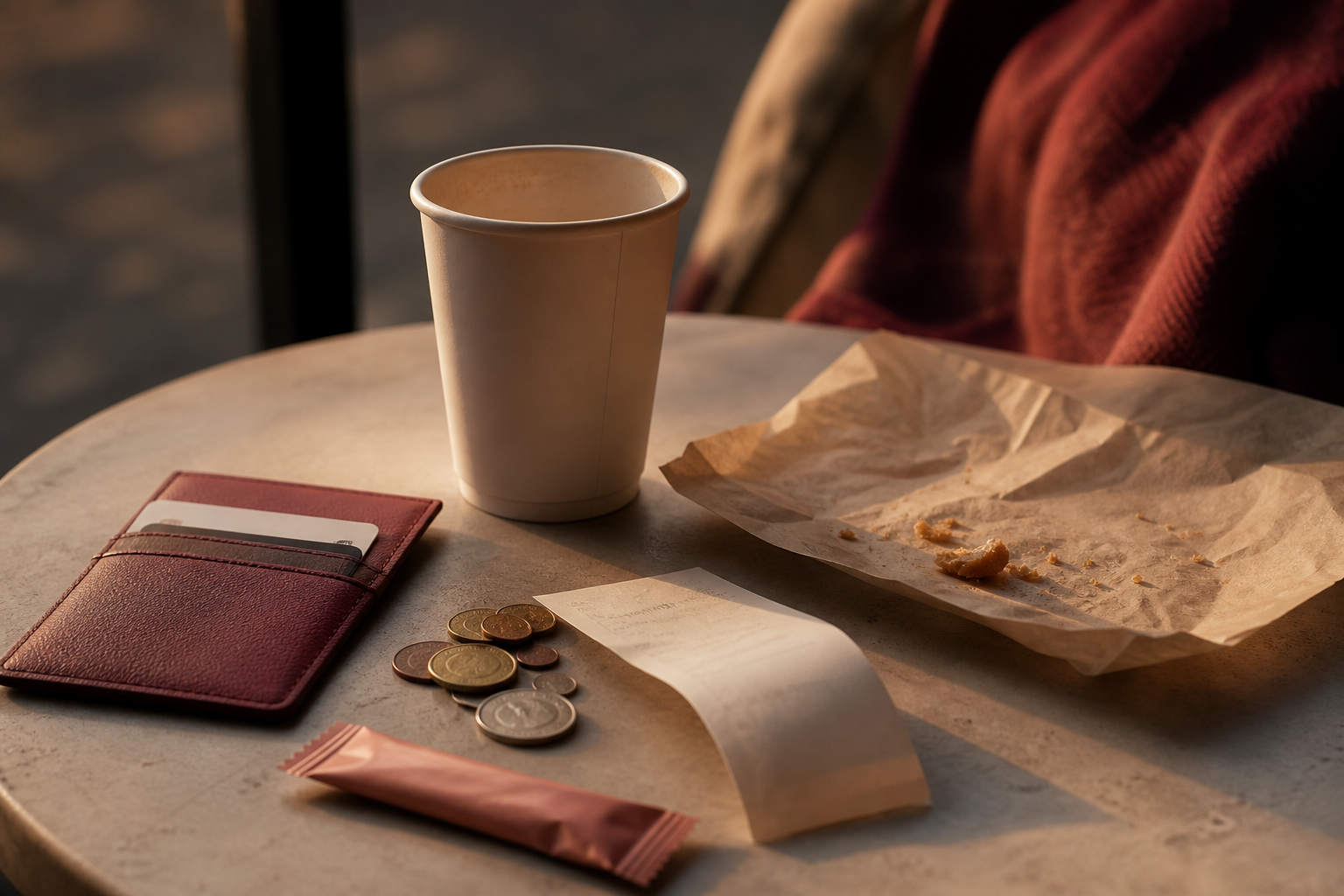
It starts with something small. A coffee because the morning already feels long. A snack because you skipped lunch. A delivery add-on because you are tired. A lip balm, a candle, a paid app upgrade, a dessert, a "why not" extra at checkout.
Nothing about it feels dramatic. That is part of the problem.
Each purchase feels tiny enough to ignore and emotionally reasonable enough to defend. You are not booking a luxury vacation. You are just trying to make the day feel a little easier.
Then the week ends and your money feels tighter than it should. You check your bank account and think: how am I this low again?
If you keep buying little treats every day and still feel broke, you are probably not dealing with a math problem first. You are dealing with a pattern that blends emotion, habit, and low-friction spending.
The issue is not that small pleasures are bad. The issue is when buying yourself a tiny reward becomes your default way to get relief.
Why little treats feel too small to count
Most people do not stress much before a small purchase. That is because the brain reads it differently than a larger one.
A $4 coffee does not feel like a financial event. A $9 add-on does not feel like "real spending." A $12 upgrade can feel basically free next to a bigger monthly bill.
Small purchases slip past your attention because they barely interrupt the day. They are quick, familiar, and easy to explain. There is no major decision to wrestle with. There is barely a pause at all.
That is why this pattern can feel confusing from the outside. You are not making huge money mistakes. You are making lots of small emotionally convenient ones.
And repetition changes everything. One small treat is small. One small treat every day, plus a few extras when you are stressed or tired, becomes part of your financial baseline.
This is close to what we explored in why small purchases don't feel like real money. Tiny spends often stay mentally filed under "barely counts" even when they show up over and over.
What these purchases are often doing for you
People talk about little treats like they are random. Usually they are not.
Most repeat spending patterns keep happening because the purchase is doing a job. It is solving something, even if only for a minute.
With daily treats, the job is often emotional.
They break up exhaustion
When the day feels flat or heavy, a small purchase can create a quick sense of movement. It gives you a bump of anticipation. Something to look forward to. A tiny reset.
That matters more than people admit. Sometimes the treat is not really about the item. It is about interrupting the drag of the day.
They act like a fast version of care
A lot of little treats have a soothing quality. A nicer drink. A sweet snack. A comfort purchase in the middle of stress. A "just for me" moment after doing things for everyone else.
If you are depleted, that can feel less like spending and more like survival.
They create earned permission
This is one of the strongest loops.
You worked hard. You dealt with something annoying. You got through a tiring day. So the purchase starts to feel morally approved before you even make it.
Not because you deeply want it. Because you feel like you have earned the right to stop depriving yourself.
They help you avoid a harder feeling
Sometimes the purchase is a way to avoid sitting in boredom, stress, resentment, loneliness, or low mood for even ten extra seconds.
That does not make you shallow. It makes the purchase emotionally efficient.
That is also why the urge can feel stronger than the price suggests.
If this part sounds familiar, our piece on why shopping feels like relief when you're stressed goes deeper into the comfort side of spending.
Why frequency matters more than size
A lot of people stay stuck because they keep asking, "But is this one purchase really a big deal?"
Usually, no. One coffee is not the problem. One snack is not the problem. One convenience add-on is not the problem.
The real question is different: How often do I use small purchases to change how I feel?
That is the number that matters.
When a little treat becomes daily, or several times a day, you stop making occasional comfort purchases and start running a quiet emotional subscription.
You may not notice it because the purchases are split across categories:
- drinks
- snacks
- beauty extras
- paid app features
- delivery upgrades
- checkout add-ons
- convenience purchases that save almost no time but feel worth it in the moment
Individually, each one seems harmless. Together, they can become the reason your money never quite settles.
This is why someone can feel "careful" with money and still feel chronically low on it. They are watching for big mistakes while small relief spending keeps dripping through the floorboards.
How to tell the difference between a real treat and autopilot relief
Not every treat is a problem. It would be bleak and unrealistic to act like all pleasure spending is bad.
Sometimes a treat is intentional, enjoyable, and worth it. The goal is not to remove that. The goal is to notice when the purchase is happening so automatically that you never really chose it.
A real treat usually feels like this:
- you chose it on purpose
- you can enjoy it without rushing past it
- it fits your actual capacity
- it does not come wrapped in guilt, panic, or numbness
Autopilot relief often feels like this:
- you buy it before you fully think about it
- you were stressed, tired, bored, or overstimulated right before
- the item matters less than the break in feeling
- you barely register the cost because the emotional logic is louder
- you repeat it so often that it stops feeling like a choice
A simple example: buying coffee out once or twice a week because you love the ritual is different from buying it every afternoon because your brain needs a reward to survive the slump.
If that is your pattern, this may also connect with why do I keep buying coffee out when I have coffee at home.
A calmer way to cut back without punishing yourself
If you try to solve this by becoming harsh, it usually backfires.
The more deprived you feel, the more emotionally loaded the next little treat becomes. Then one tired moment turns into a rebound.
A better approach is to add awareness and friction without turning the whole thing into a moral drama.
1. Name your common "little treat" categories
Do not keep this vague. Write down your real repeat purchases.
Maybe it is:
- coffee and drinks
- snack runs
- app upgrades
- delivery extras
- beauty mini-buys
- convenience purchases on bad days
Once the pattern has names, it gets harder for it to hide.
2. Track the moments, not just the amounts
For one week, notice what was happening right before the urge.
Were you tired? Rushed? Lonely? Reward-seeking? Avoiding work? Trying to make the day feel less dull?
This matters because the spending trigger is often more emotional than financial. If you only track dollars, you miss the reason the pattern keeps returning.
3. Add one small pause before checkout
Do not ask, "Am I allowed to buy this?" That question gets moral fast.
Ask:
- What am I hoping this will do for me right now?
- Do I want the item, or do I want relief?
- Would I still want this in twenty minutes?
That tiny gap can be enough to separate a real choice from an automatic one.
4. Keep some treats, but make them deliberate
People often do better when they keep a few purchases they genuinely love and cut the ones that barely matter.
Maybe the answer is not "no treats." Maybe it is:
- fewer random ones
- more intentional ones
- less daily leakage
- more actual enjoyment
That is a calmer goal, and usually a more sustainable one.
5. Translate repeat treats into work hours
Small purchases often feel fuzzy until you connect them to your time.
What does your average week of little treats cost? And how many work hours is that?
That question can change the emotional weight of the pattern without shaming you. It turns vague leakage into something visible.
You do not need to earn every small comfort with your bank account
A lot of daily treat spending comes from a real need. You want softness. Relief. A break. Something that feels like it belongs to you.
That need is not ridiculous. It just gets expensive when buying becomes the main way you meet it.
What usually helps is not becoming stricter. It is getting more honest.
Honest about when you are depleted. Honest about which treats you actually enjoy. Honest about which ones you barely notice five minutes later. Honest about how often a purchase is standing in for rest, care, or emotional air.
That is where change starts. Not with shame. With clearer seeing.
If you want a gentler way to catch these tiny impulse moments before they pile up, try paus. It helps you slow down before you buy, see what a purchase costs in work hours, and make room for a calmer decision.
FAQ
Are little treats the reason I always feel broke?
Not always. Bigger financial pressures matter too. But repeated small comfort spending can quietly become a meaningful drain, especially when it happens daily and barely registers in the moment.
Do I need to stop buying little treats completely?
No. The goal is not to remove every pleasure. It is to notice which purchases are genuinely worth it and which ones are just autopilot relief.
Why do small purchases feel easier to justify than big ones?
Because they create less friction. The amount feels harmless, the story is easy to defend, and the emotional reward arrives quickly.
How can I stop buying little things without feeling deprived?
Keep a few treats you truly enjoy, cut the ones that barely matter, and add a short pause before checkout so the purchase becomes a choice again.