
Why Do I Buy Things I Can't Really Afford?
If you already know a purchase will stress you out later, why can it still feel impossible to resist now? Here is what is happening psychologically and how to slow it down.


You can know a purchase is a bad idea and still want it badly.
That contradiction is part of what makes this pattern so upsetting.
You see the price. You know your rent is coming. You know your credit card bill is already heavier than you want it to be. You know this is not the moment.
And yet some other part of you keeps building a case.
Maybe it is not that expensive. Maybe you deserve one thing. Maybe you will make it work. Maybe future-you can deal with it. Maybe saying no feels worse than the money stress you are trying not to think about.
If you buy things you cannot really afford, it does not automatically mean you are careless, irresponsible, or bad with money. A lot of the time, it means the purchase is doing an emotional job that the number alone is not strong enough to interrupt.
Why "I can't afford it" often loses in the moment
Most people think affordability should be simple. Either you have the money or you do not.
But that is not how the brain usually experiences a purchase.
In real life, "I can't afford it" often means something softer and easier to argue with:
- buying this will make the rest of the month tighter than I want
- I can technically pay for it, but I will feel stressed afterward
- I will probably pull from savings, use credit, or compensate somewhere else
- this purchase fits in the cart, but not in the life I say I want
That is where the trouble starts. Because once affordability becomes fuzzy, your emotional state gets more influence.
If you are tired, lonely, frustrated, numb, hopeful, insecure, or craving relief, the purchase can stop feeling like a math decision. It starts feeling like an answer.
What "can't really afford" usually means
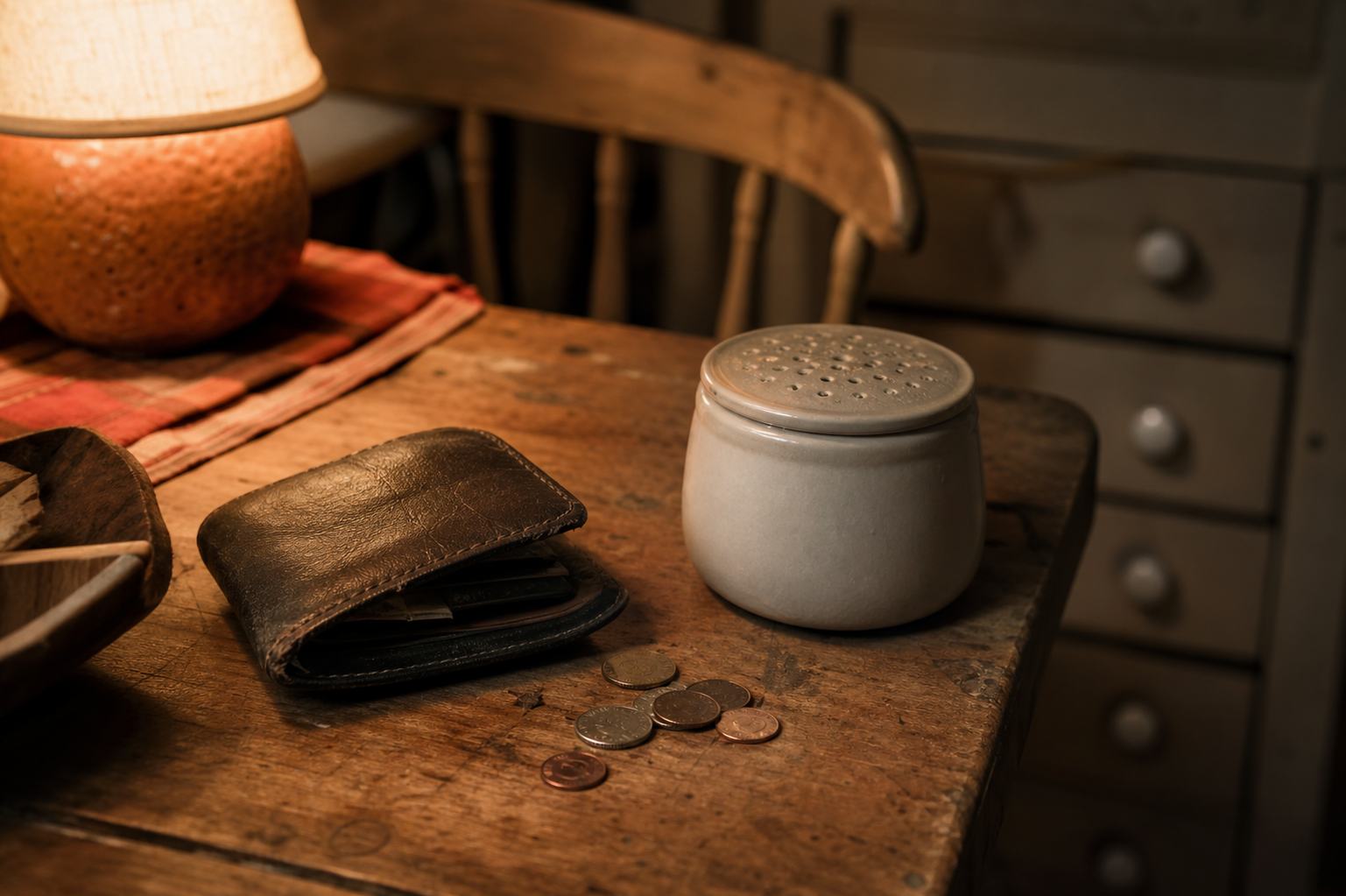
A lot of people only use the word afford for extremes. No money in the bank. Bills unpaid. Card declined.
But that definition is too narrow to be useful.
There is a quieter version of unaffordable that shows up much more often. It sounds like this:
- I can buy it, but I will resent myself later
- I can cover it, but only by making the next week more stressful
- I can put it on a card, but I am borrowing calm from the future
- I can say yes to this, but I am saying no to something I care about more
That matters because many emotionally driven purchases live in that gray area. They are not impossible. They are just costly in a way that is easy to blur.
A new jacket, skin care order, kitchen gadget, tech upgrade, dinner out, decor item, or "little reward" may not wreck your life on its own. But the purchase still may not fit your actual priorities, timing, or nervous system.
Affordability is not only about whether the payment goes through. It is also about what the purchase asks from your future self.
The psychology behind buying anyway
When people buy things they know they should probably not buy, there is usually more happening than weak discipline.
1. Present relief feels more real than future stress
The human brain is not neutral about time. It usually gives more weight to what feels immediate.
The item is here now. The mood lift is here now. The fantasy is here now. The future consequences are still abstract.
That makes it easy to trade a visible moment of comfort for a less visible week of tension.
This is one reason emotional spending can feel rational while it is happening. You are not only buying an object. You may be buying relief from deprivation, self-doubt, boredom, anger, loneliness, or the feeling that everyone else gets to have nice things except you.
2. Checkout systems make expensive choices feel weirdly unreal
Digital shopping is very good at removing emotional friction.
You do not hand over cash. You do not watch the money leave in a physical way. You tap, click, split the payment, save the card, and move on.
That distance matters. It makes the purchase feel less like loss and more like permission.
This is part of why someone can stare at a number all day and still not fully feel it. The price is visible, but the cost has not landed.
3. The purchase may be protecting an identity, not just buying a thing
Sometimes what feels unbearable is not missing the item. It is missing what the item seems to mean.
Maybe it means:
- I am still someone who takes care of myself
- I am not stuck
- I am allowed to have taste
- I am keeping up
- I am becoming the version of me I keep trying to reach
That makes the purchase emotionally loaded. Saying no can feel bigger than refusing an object. It can feel like refusing comfort, momentum, status, or hope.
This is one reason the pattern can overlap with Why Do I Keep Buying Things for My Fantasy Self?. But here the core tension is even sharper: the item does not just promise a better self. It asks future-you to absorb the cost.
4. Shame does not always stop spending
People often assume regret should fix the pattern. If the purchase made you feel bad last time, surely that should be enough.
Usually it is not.
Shame often makes people want escape, soothing, or a new story about themselves. And shopping is very good at offering all three for a few minutes.
That is why the cycle can become so painful. The purchase creates stress. The stress lowers your resilience. Lower resilience makes relief spending more tempting. Then the next purchase arrives looking like comfort again.
Signs you are using future-you as the payment plan
This pattern can hide behind very reasonable language.
You may be leaning on future-you if:
- you keep telling yourself the purchase is "not that bad" even though it will tighten the month
- you rely on vague plans like "I will just spend less later"
- you feel a rush while buying and dread soon after
- you think in installments instead of total cost because the full number feels too uncomfortable
- you keep choosing short-term emotional ease over longer-term financial steadiness
- you avoid looking at your account closely before or after buying
None of this means you are hopeless. It just means your decision is happening in a state where the present is louder than the future.
How to interrupt the pattern before checkout
You do not need a lecture in the moment. You need a little more reality and a little less emotional speed.
Name the job the purchase is trying to do
Before asking whether you can afford it, ask what you are hoping it will fix.
Relief? Reward? Confidence? Belonging? A reset? Something to look forward to?
The clearer that answer is, the less likely you are to treat the purchase like a purely practical decision.
Replace "Can I buy this?" with "What will this cost me this week?"
That question is usually better.
A lot of people can technically buy things that still make the next seven days more cramped, anxious, avoidant, or reactive. That is useful information.
Try asking:
- Will this make the rest of the month tighter?
- Will I feel relief after buying, or will I feel instantly cornered?
- What would I need to give up or postpone to make this feel okay?
Slow the moment down on purpose
Urgency distorts judgment. Even a short pause helps.
Close the tab. Move the item to a list. Take a walk. Drink water. Wait until tomorrow. Look again when you are not in the same emotional state.
A lot of purchases feel different once the original feeling loses volume.
Force the full number back into view
If you are leaning on installment logic, put the total back in front of yourself.
Not the monthly amount. Not the discount story. Not the points.
The actual number. And then ask whether that full price fits the life you are trying to build.
Make the future self concrete
Future-you is easy to ignore when future-you feels imaginary.
Try getting specific.
What version of you is paying for this? Next Friday you? End-of-month you? The version of you opening the card statement when you are already tired?
That little bit of detail can make the cost feel more real.
Why work-hours framing helps when your brain is minimizing the cost
This is where ordinary price awareness often falls short. A number can stay abstract. Work hours are harder to hide from.
When you translate a purchase into time, the decision changes shape. It is no longer just "Do I want this?" It becomes "Do I want to trade this much of my life for this, in this mood, right now?"
That question cuts through a lot of emotional fog.
It is especially helpful when a purchase is technically possible but not truly affordable in the calm, bigger-picture sense. Because the issue is often not whether the card works. It is whether the trade feels worth it once you see it clearly.
That is where paus can help. It gives you a gentle interruption before checkout, shows the real cost in work hours, and helps you decide from a steadier place.
You are not irrational. You are probably overloaded.
If you keep buying things you cannot really afford, the answer is often not that you secretly love chaos. It is more likely that your brain keeps choosing immediate emotional relief over delayed financial discomfort because immediate feelings are louder.
That does not make the consequences smaller. But it does give you a better place to work from.
You do not need more shame. You need more honesty in the moment of temptation. More friction. More visibility. More ways to bring future-you into the room before the purchase happens.
If you want help doing that without turning money into punishment, try paus. It helps you slow down, see the cost more clearly, and make space between the urge and the swipe.
FAQ
Why do I buy things I know I can't afford?
Usually because the purchase is solving an immediate emotional problem more vividly than the future financial stress feels in the moment. The relief is concrete now. The consequences still feel far away.
Why doesn't knowing better stop me from spending?
Because spending decisions are not only rational. Tiredness, stress, loneliness, hope, identity pressure, and digital checkout design can all make the purchase feel more urgent than the downside.
What counts as not being able to afford something?
It is not only about whether your card gets declined. Sometimes it means the purchase will make the rest of the month tighter, create stress later, or pull you away from more important priorities.
How do I stop buying things I can't afford?
Pause before checkout, name the feeling the purchase is trying to fix, look at the full cost, and translate the price into work hours so the trade feels more real.