
How to Stop Shopping When You Can't Sleep
If you keep buying things when you cannot sleep, the problem may be less about the items and more about what your tired brain is trying to soothe. Here is how to stop the pattern.

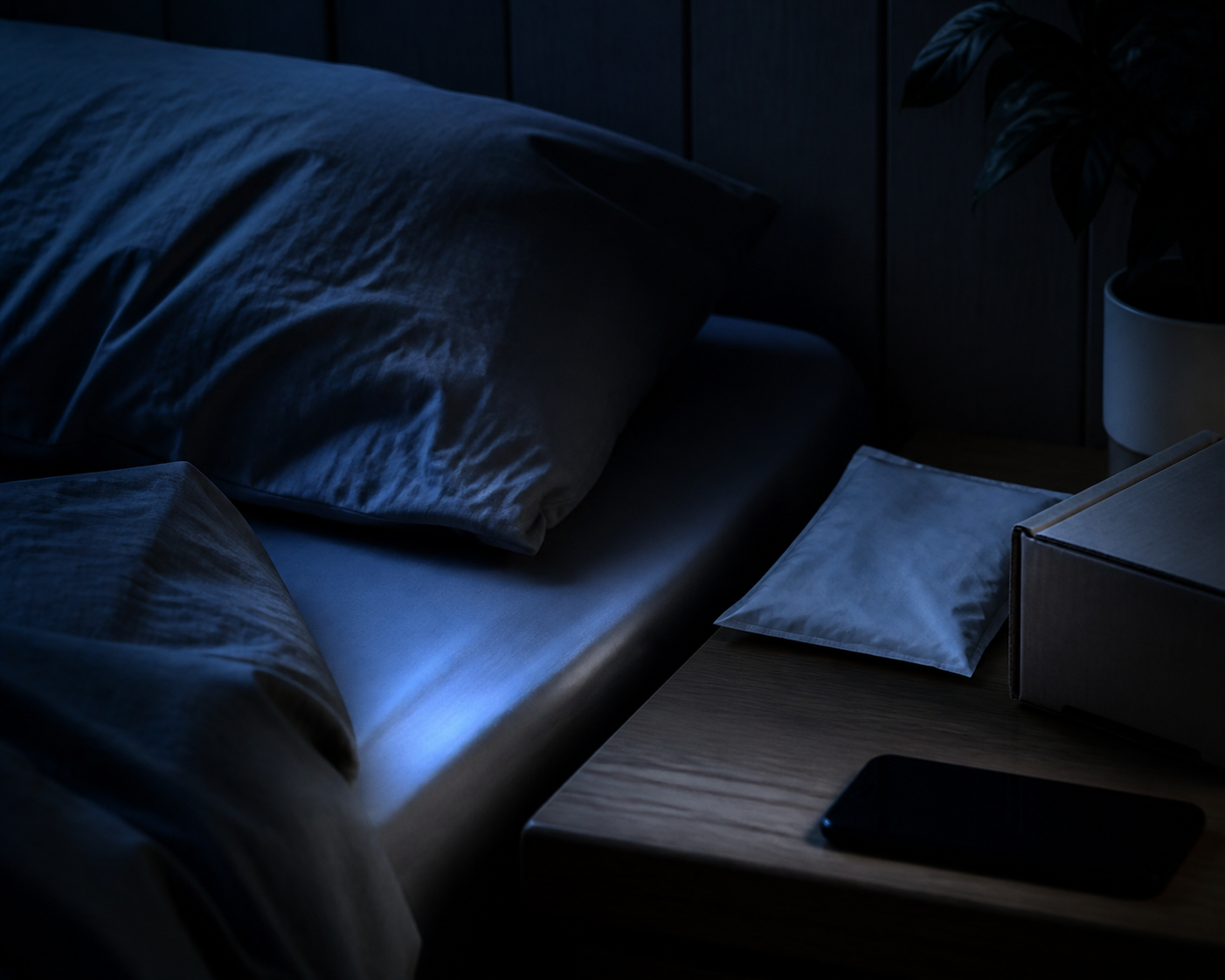
At 12:43 a.m., a new blanket, a skin-care refill, or a pair of headphones can feel strangely comforting.
Not because you truly needed them at midnight.
Because when you cannot sleep, shopping gives your brain somewhere to go.
That is part of why buying things in bed can feel so hard to stop.
You are tired, but not settled.
Restless, but not exactly energized.
Your mind wants relief, distraction, or a softer landing than sleep is giving you.
Online shopping offers all three.
It gives you novelty, control, a small future reward, and the feeling that you are doing something with the night instead of just lying there.
If you keep shopping when you cannot sleep, that does not mean you are shallow or hopeless with money.
It usually means a tired version of you found an easy coping tool.
The trick is not to shame that version of you.
It is to make the pattern easier to see and harder to act on.
Why sleeplessness makes shopping feel so easy
When you cannot sleep, your brain is in an awkward state.
You do not have daytime focus.
But you also do not have the emotional softness that lets you drift off.
You are stuck in between.
That in-between state makes low-effort stimulation feel unusually appealing.
Shopping is perfect for it.
It is quiet. Private. Endless. Easy to do from bed. Full of tiny choices that feel absorbing without being too demanding.
It can also create a sense of movement.
If sleep feels out of reach, at least you can scroll. Compare. Choose. Order. Imagine.
That feeling matters.
A lot of nighttime spending is less about wanting the object and more about wanting not to be trapped in the feeling of still being awake.
This sits close to why online shopping feels so hard to resist, but sleeplessness adds a special kind of vulnerability. You are more tired, more suggestible, and often more willing to let "tomorrow will deal with it" carry the decision.
6 reasons lying awake can turn into impulse buying
1. Restless attention wants somewhere to land
When you cannot sleep, your mind often keeps looking for a hook.
A thought. A video. A message. A tab. A product.
Shopping gives restless attention a clean target.
There is always another item, another comparison, another reason to stay mentally busy for five more minutes.
2. Tired brains are worse at seeing the full cost
At midnight, a purchase often feels detached from real life.
You are not standing in the middle of your workday.
You are not thinking clearly about the rest of the month.
You are not holding the cost against groceries, savings, or future bills in the same vivid way.
You are mostly deciding whether the purchase feels soothing right now.
That is why turning a price into work hours can be such a useful interrupt. It pulls the decision back into reality.
3. Shopping makes insomnia feel less empty
Lying awake can feel strangely exposed.
There is nothing to distract you from your own mind.
Shopping fills that space fast.
It gives you color, options, possibility, and a tiny sense of future pleasure.
That can feel a lot better than staring into the dark trying not to be awake.
4. You start believing future-self stories more easily
At night, it is easier to believe that one item will fix a feeling.
The pillow will help. The vitamin routine will start tomorrow. The notebook will make you organized. The skin care will make you feel put together. The gadget will make life run smoother.
Sometimes those stories are partly true.
A lot of the time, they are just persuasive enough to help you click buy.
5. The phone is already in your hand
This sounds obvious, but it matters.
A lot of spending habits are really access habits.
If you are lying in bed with your phone, saved card details, and shopping apps one tap away, your tired brain does not need much conviction.
It just needs a little itch.
6. Buying something can feel like a reward for a bad night
Once sleep starts going badly, your brain may shift into compensation mode.
Fine, if I am awake anyway, at least I can get something nice out of it.
That logic is understandable.
It is also expensive.
And it often leaves you with two problems instead of one: poor sleep and a purchase you would not have made in daylight.
Signs you are shopping to soothe restlessness
If you are not sure whether the habit is really about insomnia, look for patterns like these:
- You only want the item when you are in bed.
- The urge shows up after you realize sleep is not happening quickly.
- You bounce between social media, shopping tabs, and random searches.
- The package arrival matters almost more than the product.
- You feel less excited about the item in the morning.
- You keep telling yourself, "I am awake anyway."
- Part of you wishes something would slow the purchase down.
That last one is worth noticing.
Many people do not need more discipline in that moment.
They need a little friction.
Something that gives the wiser part of their brain enough time to catch up.
How to interrupt the pattern in bed
You do not need an elaborate system for this.
You need something simple enough to use when you are tired.
1. Ask what the purchase is doing for your nervous system
Before checkout, ask:
What am I hoping this buys me right now?
Relief?
Distraction?
Comfort?
A sense of progress?
Something to look forward to?
That question can sound almost too simple.
But it works because it separates the item from the feeling you are chasing.
2. Move the item to morning
If something still looks good, save it.
Do not decide in bed.
Put it on a wish list, in a note, or in a "look at this tomorrow" list.
The goal is not to ban the purchase.
The goal is to keep insomnia from making the final call.
3. Compare the item to rest
Ask yourself:
Do I want this object, or do I want not to feel awake anymore?
That question gets to the heart of it.
A lot of nighttime shopping is really an attempt to change your internal state.
The item is just the vehicle.
4. Add one annoying step on purpose
Log out of the shopping app.
Remove saved payment details.
Move apps off your home screen.
Turn your phone to grayscale or use Focus mode after a certain hour.
Tiny obstacles matter because sleepless shopping usually rides on momentum.
5. Use a pause before the final yes
If your brain is already halfway to checkout, use something designed for that moment.
paus helps you slow the decision down, see the cost in work hours, and sit with the urge for a second before tired-you spends the money.
That small pause can be enough to break the spell.
Small rules that protect tired-you
The best nighttime rules are not dramatic.
They are gentle and specific.
No buying from bed
Browsing is one thing.
Checkout is another.
If you want a clean rule, make it this simple: no purchases while lying down.
You can save the item and revisit it elsewhere.
Use a morning approval rule
Tell yourself:
If I still want it after I have slept or after my first coffee, I can buy it then.
That rule respects your future choice while taking the decision away from the least reliable version of you.
Keep a list of "night wants"
Write down what you want when you cannot sleep.
After a week or two, the pattern may become obvious.
Maybe it is comfort items. Beauty products. Home things. Wellness promises. Tiny upgrades.
Once you can see the category, the urge starts feeling less mysterious.
Build one non-shopping sleep-detour
If shopping has become your default restless activity, replace it with one softer option.
A boring podcast. A low light. A paper book. Stretching. A glass of water. A note that says, "If I still want it tomorrow, I can buy it tomorrow."
It does not need to fix your sleep.
It just needs to give the night another exit ramp.
The goal is not perfect sleep or perfect spending
The goal is to stop using purchases to carry feelings that money cannot really settle.
If you keep shopping when you cannot sleep, try looking at the habit with curiosity instead of disgust.
What usually comes first?
Restlessness?
Loneliness?
Stress?
The feeling that the day did not give you enough?
That is the real material.
And if you want a practical way to slow the moment down before a tired night turns into next-day regret, try paus. It gives you a clickable pause before checkout, so sleepless shopping does not quietly become one more thing to wake up to.
FAQ
Why do I buy things when I can't sleep?
Because sleeplessness often creates a restless, depleted state where shopping feels soothing, absorbing, and easy. The purchase can feel like relief even when the item is not what you really need.
How do I stop shopping online in bed?
Move items to a wish list, remove saved payment details, set a no-buying-from-bed rule, and use a tool like paus if you want help slowing the final decision down.
Is shopping when I can't sleep a stress habit?
Often, yes. It can be tied to stress, loneliness, overstimulation, bedtime avoidance, or the simple discomfort of still being awake.
Why do my nighttime purchases feel wrong in the morning?
Because nighttime decisions are often made by a more tired and emotionally suggestible version of you. In daylight, the relief part fades and the actual value of the item becomes clearer.