
Why Do I Spend Money When I Feel Guilty?
Guilt can make spending feel like repair. Here is why guilt turns into shopping, over-giving, or convenience spending, and how to slow it down without shame.


Guilt can make money feel like a shortcut.
You forgot something important. You snapped at someone. You wasted a day. You are late again. You did not show up the way you wanted to.
Then suddenly spending feels strangely appropriate. Buy them something. Pay for dinner. Order the faster option. Cover the extra cost. Treat yourself because you feel bad. Do something that looks generous, useful, or corrective.
If you spend money when you feel guilty, the spending is often trying to do emotional repair. It is trying to reduce the discomfort of having gotten something wrong. It is trying to prove that you still care. It is trying to turn a messy feeling into a visible action.
That is why guilt spending can be hard to catch. It does not always look reckless. Sometimes it looks mature. Sometimes it looks kind. Sometimes it looks like you are taking responsibility.
And sometimes you are. But sometimes money gets assigned a job that honesty, rest, boundaries, or a real apology would do better.
Why guilt can turn into spending
Guilt creates pressure. Not just to feel bad, but to do something. You want movement. You want repair. You want proof that the moment did not define you.
Spending offers a fast, concrete response. It says:
- I am making up for it
- I am still a good person
- I am helping now
- I am not ignoring what happened
That can feel relieving. The problem is that money is visible, quick, and easy to deploy. Real repair is often slower. It may involve a conversation. A limit. An uncomfortable truth. A small behavior change. Patience.
So the brain reaches for the faster option. If I spend, maybe I will feel less bad. If I pay, maybe the tension will go down. If I buy something, maybe I can stop sitting with the feeling.
This is one reason guilt spending can happen across very different situations. Sometimes it is about relationships. Sometimes it is about parenting. Sometimes it is about work. Sometimes it is about the guilt you feel toward yourself. The details change, but the inner logic is similar: money starts to feel like repair.
What the purchase is really trying to fix
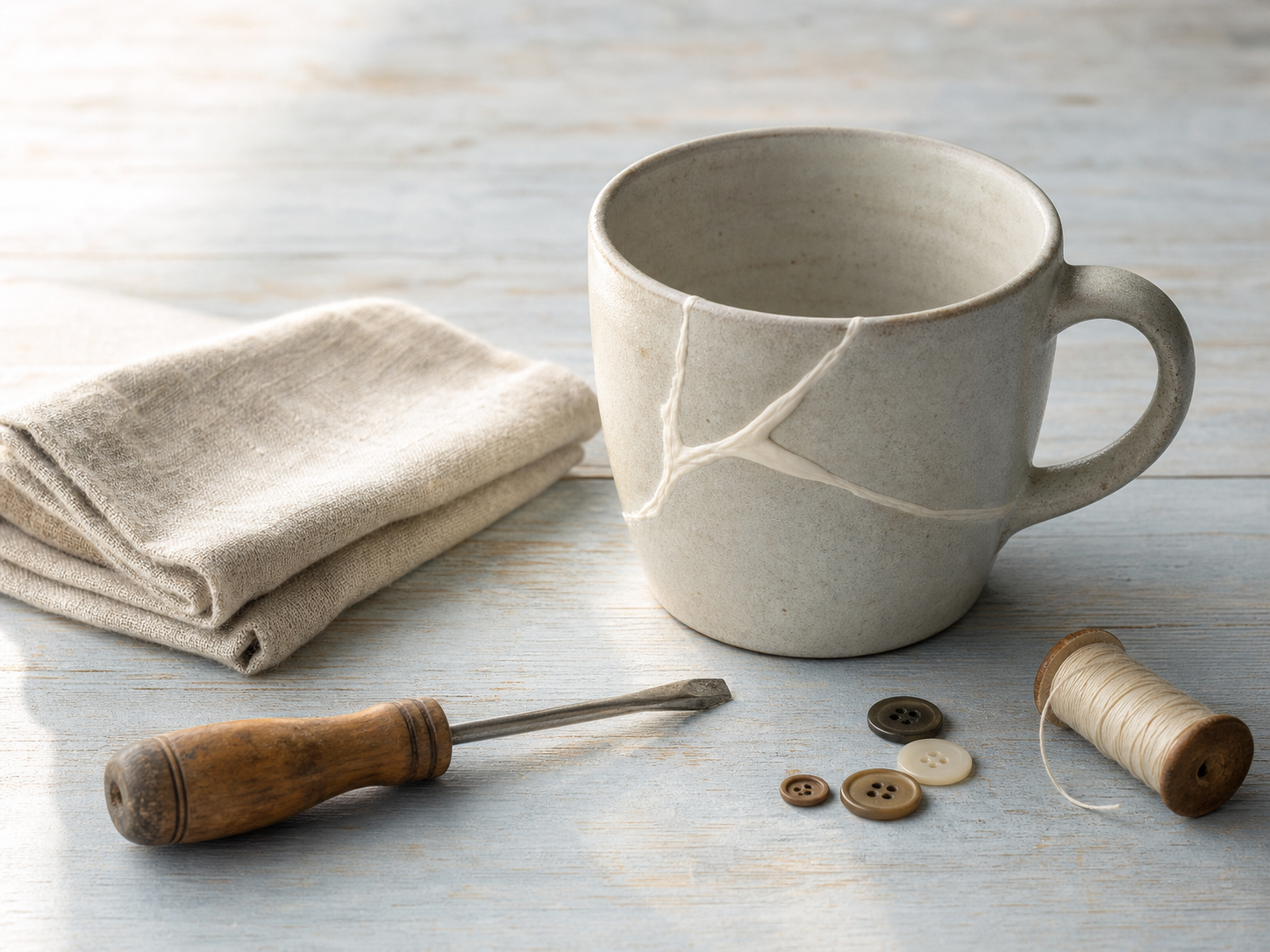
When guilt spending happens, the object or payment is usually not the whole point. It is often trying to do one of these jobs.
Restore your image of yourself
Guilt can make you feel out of alignment with the kind of person you want to be. Spending can seem like evidence that you are still caring, generous, or responsible.
End the discomfort quickly
Guilt is sticky. It lingers. A purchase creates a sense of action. Even before anything changes, you may feel temporary relief because you did something.
Compensate for something money cannot fully solve
You missed time with someone. You let a task slide. You do not have much energy. You feel emotionally unavailable. Buying can become a stand-in for presence, steadiness, or follow-through.
Make the apology feel tangible
Words can feel thin when you feel bad. Money can feel concrete. A gift, upgrade, or covered expense may seem more convincing than saying, "I know I got this wrong."
Soothe guilt toward yourself
Sometimes the spending does not go outward. It goes inward. You feel ashamed, depleted, or disappointed in yourself, and buying something creates a brief softening. It says, "I know today was rough. Here." That can look comforting, but it can also turn into a costly reflex.
Common guilt-spending loops
Guilt spending does not always look dramatic. Often it hides inside ordinary choices.
The apology purchase loop
You feel bad for disappointing someone, so you buy a gift, cover a cost, or say yes to something expensive because "it is the least I can do." Sometimes generosity is real care. Sometimes it is panic wearing a nice outfit.
The convenience compensation loop
You are late, tired, scattered, or unavailable, so you spend to make the problem easier on everyone else. Delivery instead of cooking. Rush shipping instead of planning. Paid shortcuts instead of a calmer reset. This can overlap with How to Stop Convenience Spending When You're Too Tired to Think, but guilt changes the tone. The purchase is not just about ease. It is about atonement.
The over-giving loop
You feel guilty for setting a boundary, needing space, or saying no. Then you overcompensate by paying more, buying more, or offering more than you really want to. Money becomes a way to soften the edge of having needs.
The self-forgiveness shopping loop
You feel bad about a mistake, a lost day, or a version of yourself you do not like. Then you buy something to lift the mood, reset the day, or prove you are okay. This can sit near How to Stop Rewarding Yourself With Shopping, but the driver here is not celebration. It is self-repair.
The catch-up spending loop
You forgot a birthday. You missed a milestone. You have not called. You are behind on something emotional. So you spend bigger than you meant to because the amount starts to feel tied to sincerity.
Signs you are trying to buy relief, not solve the problem
Not every guilt-linked expense is wrong. Sometimes spending is part of a thoughtful repair.
The useful question is whether the money is supporting a real solution or mainly helping you escape the feeling faster.
You may be spending for guilt relief if:
- the urge shows up right after you feel ashamed, late, or responsible for someone else's disappointment
- the amount starts growing because a smaller gesture does not feel emotionally enough
- you feel calmer as soon as you decide to spend, before anything has actually been repaired
- the purchase feels easier than saying something honest
- you are trying to erase the feeling, not address the situation
- you say yes with your wallet when you really mean "I feel bad"
- the spending makes you feel briefly cleaner inside, then resentful or regretful later
A useful check-in question is: if money were off the table, how would I try to repair this?
That question gets to the heart of it. If your best answer involves honesty, time, changed behavior, or a direct apology, the spending may be more about relief than repair.
Why guilt spending can leave you feeling worse
Guilt spending often backfires because it can blur responsibility instead of clarifying it.
Now you may have:
- the original issue
- less money
- resentment about what you spent
- confusion about whether the repair was real
- a new habit where guilt automatically points toward checkout
This is the painful part. The spending may come from care. But care is not the same as clarity.
Sometimes spending lets you avoid a harder truth. Maybe you need better planning. Maybe you need to stop overpromising. Maybe you need to say, "I can't do that." Maybe you need to apologize without performing your remorse through money.
If the real repair never happens, the guilt tends to come back. Then the spending starts to feel necessary again. The same loop runs when guilt is used as the correction for overspending: guilt doesn't fix spending habits, it just adds another heavy emotion to the moment that needs clarity.
That is how the loop forms:
- You feel guilty
- Money starts to feel like action
- You spend to reduce the pressure
- You get brief relief
- The deeper issue stays unresolved
- Guilt returns faster next time
Seeing that loop clearly matters. It helps you respond with less shame and more precision.
How to interrupt guilt spending without becoming harsh with yourself
The goal is not to become cold. It is to stop treating money like your only repair tool.
Name the exact guilt
Try to get specific. Not just "I feel bad." Ask:
- What do I think I did wrong?
- Who am I trying to make whole?
- What am I afraid this says about me?
Guilt gets powerful when it stays vague. Specific language makes the feeling easier to work with.
Separate repair from relief
Then ask: Is this spending likely to repair the situation, or mostly calm me down?
Sometimes the answer is both. But if relief is doing most of the work, pause. That does not mean never spend. It just means do not confuse a soothing move with a solution.
Pick one non-money repair option first
Before you buy, do one thing that costs nothing. Send the apology. Clarify the plan. Tell the truth. Reschedule. Admit you dropped the ball. Ask what would actually help.
That small move changes the energy. Once real repair has started, the spending often feels less urgent.
Watch for guilt inflation
Guilt loves exaggeration. It tells you that a bigger spend equals a more sincere heart. Usually it does not.
A calmer question is: What would be proportionate here? Not dramatic. Not impressive. Just proportionate.
Use a pause before you let guilt spend for you
If you want help with that moment, paus can help you slow the urge down, add a little friction, and see what the purchase costs in work hours before you decide. That space can be enough to tell the difference between care and panic.
When spending is actually aligned with your values
It is worth saying clearly: spending is not always avoidance. Sometimes money is part of real responsibility.
A guilt-linked expense may still be wise if:
- it addresses a concrete need
- you would make the same choice after the emotion settles
- it matches the situation instead of trying to erase it
- it does not replace honesty or changed behavior
- you can afford it without quietly hurting yourself
For example, covering a cost you genuinely caused may be appropriate. Buying the more expensive thing because you cannot stand how guilty you feel is different.
The difference is not whether money is involved. It is whether the money is serving reality or serving emotional urgency.
A calmer way to think about guilt and spending
If you spend money when you feel guilty, it does not mean you are fake, manipulative, or bad with money. It usually means you want to repair something quickly and you have learned that money creates instant movement.
That is human. But it can become expensive when every guilty feeling gets routed through spending.
You do not need to stop caring. You just need more than one repair language. Sometimes the right move is a purchase. Sometimes it is a boundary. Sometimes it is a conversation. Sometimes it is admitting that what you want is relief, not a real solution.
That is a useful distinction. And if you want a calmer way to slow the moment down before guilt turns into checkout, try paus. It can help you pause, see the real cost, and make a decision that fits the situation instead of just the feeling.
FAQ
Why does guilt make me want to spend money?
Because spending creates fast, visible action. When guilt feels uncomfortable, money can seem like a quick way to repair, compensate, or prove you care.
Is guilt spending a real thing?
Yes. Guilt spending happens when you use money to reduce guilt, smooth over discomfort, or compensate for something emotional that money cannot fully solve.
How do I stop spending money out of guilt?
Start by naming the exact guilt, separating repair from relief, and trying one non-money repair step first. A pause before checkout can help you decide more clearly.
Is it bad to spend money after I mess up?
Not always. Sometimes paying for something is appropriate. The key question is whether the spending fits the actual situation or mainly helps you escape the feeling faster.