
Why Do I Buy Things Planning to Return Them Later?
If you keep ordering things with the plan to return most of them later, the problem may be less about practicality and more about how optional purchases feel safer than real decisions.

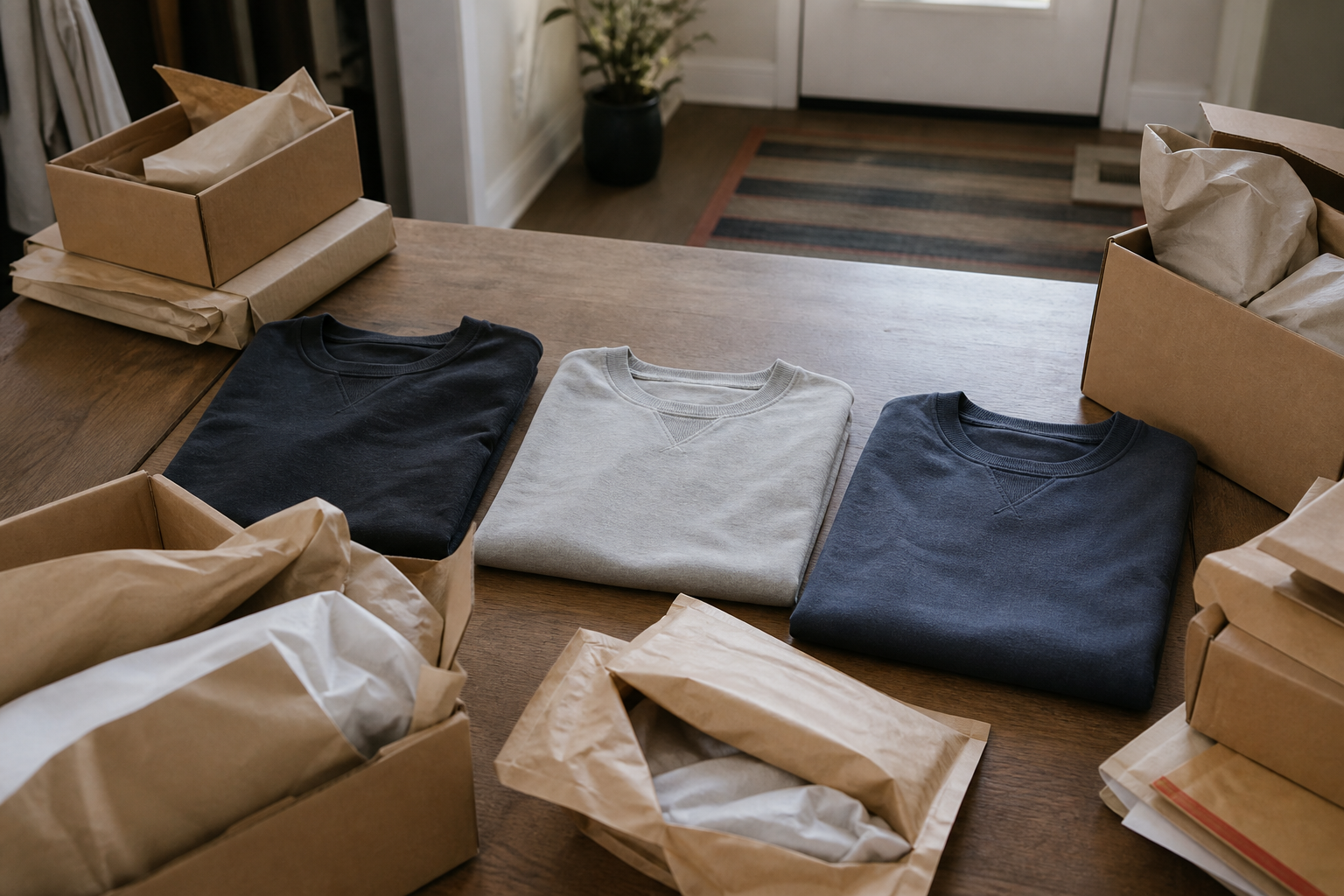
A few sizes. Two colors. Maybe a second version just in case.
You tell yourself it is fine because you are not really keeping all of it.
You are just comparing.
You are just being smart.
You can always send most of it back.
And sometimes that is true.
Sometimes ordering more than one option is practical.
But sometimes the return plan is doing more than solving a real problem.
It is making the purchase feel less real.
That is why buying things with the plan to return them later can get expensive fast.
The order feels temporary. The money feels reversible. The decision feels unfinished.
But the packages still arrive. The charges still land. The return window still starts ticking. And a lot of people end up keeping more than they meant to because the hard part was never the checkout. It was the decision they postponed until after delivery.
If you do this a lot, it does not mean you are irresponsible.
It usually means returns have become a way to lower the emotional pressure of buying.
Why planned returns feel safer than they really are
Returns create distance between the urge and the consequence.
At checkout, you do not have to decide, "Do I want this enough to spend this money?"
You get to decide something softer.
"Do I want the option to see this in person?"
"Do I want to try it and decide later?"
"Do I want to keep my options open?"
Those questions feel lighter.
They let you borrow certainty from your future self.
That is part of why online shopping feels so hard to resist. The internet is built to reduce the emotional weight of buying. Free returns, easy labels, saved cards, and one-click checkout all help the order feel less final than it really is.
For some people, planned returns are mostly logistical.
For other people, they become emotional permission.
The return policy becomes the reason the order feels safe enough to place.
6 signs you are using returns as permission to overbuy
1. You order more when the return policy feels generous
The easier the returns, the bigger the order.
That is useful information.
It suggests the policy is not just reducing risk. It is reducing friction.
2. You buy versions you were never truly excited about
You add the backup color, the second style, or the maybe-option because it feels easier to sort it out later than to decide now.
That later-sorting often sounds harmless.
It can also hide the fact that the order is already too big.
3. You keep items because returning them feels annoying
This is one of the most common patterns.
The return was supposed to protect you.
Then the box sits there.
You miss the drop-off window. Or you tell yourself you might use the item after all. Or the refund no longer feels worth the effort.
That is how a temporary purchase becomes a real one.
4. The order gives you relief before anything even arrives
If the emotional payoff comes mostly from placing the order, the return story may be working like a permission slip.
You get the hit of possibility now.
Future-you gets the admin later.
5. You say, "I will be good and send the rest back"
That sentence usually means you already know the order is bigger than it needs to be.
There is a quiet split happening.
Present-you gets to buy.
Future-you is supposed to be disciplined.
6. You feel mentally crowded by the packages once they show up
A return-heavy order can look flexible before delivery and exhausting after delivery.
Now you have to compare, decide, repack, print labels, check deadlines, and remember what went on which card.
The optional order turns into a pile of unfinished decisions.
What the "I can always return it" story is really doing
That phrase sounds practical.
A lot of the time, it is emotional.
Sometimes it means:
- I do not trust myself to choose one thing now.
- I want the relief of buying without the full commitment of buying.
- I am afraid of regret, so I am trying to postpone it.
- I want to feel prepared, covered, or in control.
- I want to keep possibility open a little longer.
None of that is irrational.
It makes sense to want less pressure.
But planned returns can become a way of spending first and deciding second.
That is where they start to drift toward emotional spending.
The order is no longer only about fit, color, or convenience.
It is also about self-soothing through optionality.
That is different from a clean practical comparison.
Why planned returns quietly cost more than you think
Even when you get some money back, the habit still has costs.
It ties up real money
A refundable charge is still a charge.
It can still crowd your account, distort what feels available, or make you less careful with the rest of your spending that week.
It burns attention
Every return creates a small open loop.
You have to remember it, act on it, and close it.
If you are already tired or overloaded, those loose ends pile up fast.
It makes the original order feel less serious
When you tell yourself the money is not really gone, you may order more freely than you would if you had to decide what you actually wanted to own before paying.
That is close to how free returns can make you spend more than you mean to. The hidden problem is not only the policy. It is the mindset it creates.
It can weaken your sense of what things cost in effort
This matters a lot.
If you order five items and return three, your brain may still treat the order like a temporary experiment instead of a real interaction with your money.
That is why it helps to turn a price into work hours before you buy. It brings the purchase back into contact with your time, even if the checkout page is trying to make it feel casual.
How to stop ordering more than you mean to keep
You do not need to ban multi-option orders forever.
You just need a little more honesty before checkout.
1. Ask what problem the extra items are solving
Are you trying to compare two real options?
Or are you trying to avoid the discomfort of choosing?
Those are not the same thing.
2. Decide your real keep limit before you buy
Before checkout, finish this sentence:
"I am willing to keep only ____."
One item. Two at most. Just the black one. Only the cheaper version.
If you cannot name the keep limit clearly, the order is probably carrying too much emotional fog.
3. Treat the full cart like real spending
Do not mentally price only the version you hope to keep.
Price the full order.
That is the amount you are approving today.
If that number feels too heavy, that is important.
4. Make returns cost a little effort in advance
This sounds backwards, but it works.
Before buying, ask yourself:
Will I actually repack this, label it, and return it next week?
If the honest answer is no, the "I can return it" story should not get to carry the order.
5. Use a pause before you create optionality you do not need
This is where paus can help. It gives you a moment before checkout to see the cost in work hours and ask whether you want the items themselves or just the relief of not having to decide yet.
That distinction saves people more money than they expect.
A gentler rule for return-heavy shopping
If this pattern is common for you, try this rule:
Only buy extra versions when you already know exactly what would make you send one back.
Maybe that is fit.
Maybe that is fabric.
Maybe that is one clear functional difference.
But if the extra items are mostly there because choosing feels hard, stop before checkout.
That is usually not comparison.
That is delayed decision-making disguised as practical shopping.
You may not need more options. You may need less pressure.
A lot of over-ordering comes from wanting to avoid the feeling of getting it wrong.
That makes sense.
Choosing can feel loaded.
Especially when you are tired, self-conscious, hopeful, or trying to fix a feeling with the order.
But more options do not always create more clarity.
Often they create more noise.
If you keep buying things planning to return them later, try getting curious about what the return plan is doing for you emotionally.
Is it making the order feel safer?
Less final?
More flexible?
More allowed?
That is the useful part to notice.
And if you want help catching that moment before optionality turns into overspending, try paus. It can help you slow down, see the real cost in work hours, and decide what you actually want before a flexible-looking order becomes one more thing to manage.
FAQ
Is buying multiple sizes or versions always a bad idea?
No. Sometimes it is practical, especially when sizing is inconsistent or you need to compare a couple of real options. The issue is whether the extra items solve a real comparison problem or mainly help you avoid deciding.
Why do I keep things I meant to return?
Because the hard part often starts after delivery. Returning takes attention, energy, and follow-through. If you were relying on future-you to close the loop, you may keep the item simply because the refund no longer feels worth the effort.
How can I stop over-ordering online?
Set a keep limit before checkout, treat the full cart as real spending, and ask whether the extra items solve a clear problem or just make the order feel safer.
How can paus help with return-heavy shopping?
paus helps you pause before checkout, see what the full order costs in work hours, and decide more calmly whether you want the items or just the feeling of optionality.