
Why Does Shopping Make Me Tired? The Hidden Cost of Decision Fatigue
Shopping can feel exhausting when every browse turns into comparisons, second-guessing, and too many tiny decisions. Here is why shopping drains your brain and how to make buying feel calmer again.

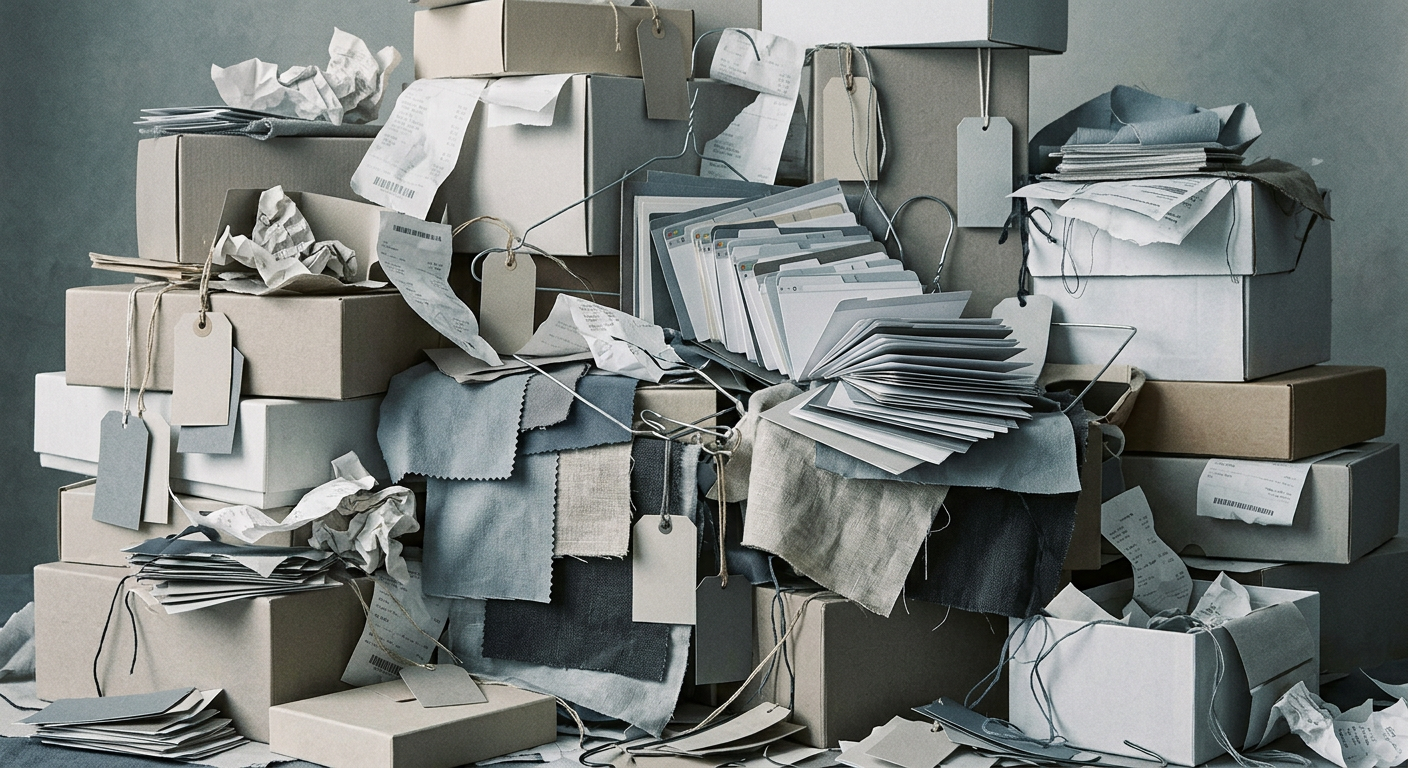
Sometimes shopping does not feel fun. It feels like work.
You open a few tabs. Compare prices. Read reviews. Check colors. Think about whether the cheaper version will disappoint you. Think about whether the better version is worth it. Look at one more option. Then another.
An hour later, you may not even have bought anything, but your brain feels used up.
If you have ever thought, "Why does shopping make me tired?" you are not imagining it.
Shopping can be mentally draining, especially online, because it asks your brain to make a long chain of small decisions while also dealing with uncertainty, temptation, and imagined future outcomes.
That tired feeling has a name: decision fatigue.
And once it shows up, your judgment usually gets worse.
That matters because tired shopping often turns into one of two things:
- buying something just to end the process
- leaving without buying, but still feeling foggy, irritable, or oddly depleted
Neither outcome feels great.
Why shopping can feel tiring even when you buy nothing
A lot of people think shopping should only be tiring if money is tight or the purchase is big.
But mental fatigue does not only come from cost.
It also comes from repeated evaluating.
When you shop, your brain keeps asking:
- Do I want this?
- Do I need it?
- Is this the best version?
- Is the price fair?
- Should I wait?
- What if I choose wrong?
- What if there is a better deal somewhere else?
That is a lot of cognitive work for something that can look simple from the outside.
Even a small purchase can turn into dozens of tiny judgment calls.
Online shopping makes this worse because the number of options is rarely limited. There is always another tab, another comparison, another review, another sale, another recommendation, another reason to keep looking.
Your brain does not experience that as passive browsing.
It experiences it as ongoing decision pressure.
That is one reason shopping can leave you feeling drained even when you never check out.
What decision fatigue does to your brain while you shop

Decision fatigue happens when your mental energy gets worn down by too many choices.
Not all choices are equally hard, but they still add up.
And shopping is full of the kind that quietly burn attention:
- comparing similar options
- predicting future satisfaction
- weighing price against emotion
- sorting signal from marketing noise
- trying not to make a mistake
At first, you may feel engaged.
Then something shifts.
The more decisions you make, the more your brain starts wanting relief instead of clarity.
That is the important part.
Once you get tired, your goal often changes.
You are no longer asking, "What is the best choice?"
You are asking, "How do I get out of this loop?"
That can push you toward shortcuts.
You may pick the item that feels easiest to justify. You may overvalue fast shipping. You may trust a discount more than your own hesitation. You may buy the thing that gives closure, not the thing that actually makes the most sense.
This overlaps with Shopping Decision Paralysis: Why You Can't Decide What to Buy Online, but the problem here is slightly different. Decision paralysis is about getting stuck. Shopping fatigue is about what too much choosing does to your energy, even before you fully freeze.
Signs you are shopping from depletion instead of clarity
The hard part about shopping fatigue is that it does not always feel dramatic.
Sometimes it just feels like you suddenly want to be done.
A few signs usually show up:
1. You stop caring what the best option is
Earlier, you wanted to choose well.
Now you just want to finish.
That shift matters. It means your standards may be dropping because your energy is dropping.
2. Every new option feels vaguely annoying
At the start, more options can feel helpful.
Later, they start to feel heavy.
You open another product page and feel tired before you even read it.
3. You start justifying a purchase you were unsure about
Not because the item suddenly got better.
Because buying it would end the mental load.
Relief becomes part of the sale.
4. You keep scrolling even though the process stopped feeling useful
This is a common one.
You are not moving closer to a decision. You are just stuck inside a loop of evaluating. If that sounds familiar, Why You Can't Stop Thinking About Buying Something looks at the obsession side of that pattern.
5. You feel flat or irritable after browsing
Some shopping sessions leave people overstimulated. Others leave people strangely numb.
Either way, it is usually a sign that your attention has been doing more work than you realized.
Why tired shopping often leads to overspending or regret
A tired brain wants ease.
That does not make you careless. It makes you more likely to accept whatever reduces friction fastest.
Sometimes that means buying something just to get closure.
Sometimes it means choosing the more expensive version because comparing the rest feels like too much work.
Sometimes it means adding things to the cart because the whole session has already pushed you into a reward-seeking mood.
And sometimes it means buying from a state that feels slightly detached, then looking at the order later and wondering why it made sense at the time.
This is one reason people often confuse exhaustion with desire.
They think, "I must really want this. I have spent so much time on it."
But time spent deciding is not the same as wanting it.
Sometimes it just means the process wore you down.
That is also why shopping fatigue can connect to anxious spending. When you are mentally depleted, quick certainty feels extra attractive. Why Anxiety Makes You Want to Buy Things (and How to Stop) goes deeper on how tense internal states can push a purchase toward relief-seeking.
Why online shopping is especially exhausting
In a physical store, there are at least some natural limits.
Your feet get tired. The store closes. You can only look at what is in front of you.
Online shopping removes a lot of those stopping points.
That sounds convenient, but it also means your brain can stay in evaluation mode for much longer.
A few things make online shopping especially draining:
Endless options
There is almost never a clear endpoint.
If you do not like one item, you can see thirty more in seconds.
Too much information
Reviews, ratings, photos, shipping windows, return policies, coupons, bundles, and comparison charts all compete for attention.
Low friction
It is easy to stay in the process even after it stops being useful.
You do not need to get up. You do not need to leave. You can keep browsing while tired, bored, stressed, or half-distracted.
Emotion hiding inside the decision
A lot of shopping is not only practical.
It is also emotional.
You may be asking whether the item will help you feel more prepared, more attractive, more organized, more rewarded, or more in control. That makes the decision heavier than it looks.
How to make shopping feel lighter and safer
The goal is not to make every purchase deeply serious.
The goal is to notice when your brain is too tired to trust.
A few small changes help a lot.
Stop treating more research as always better
At a certain point, more input stops improving the decision.
It just drains you.
If you have already compared the main options and still feel foggy, more tabs may not solve it.
They may be the problem.
Set a limit before you browse
Try simple boundaries like:
- I only compare three options
- I only spend 20 minutes on this tonight
- If I still feel unsure, I wait until tomorrow
- I do not buy once I feel mentally fried
These limits protect your energy, not just your money.
Watch for the moment relief enters the picture
This is a big one.
Ask yourself: "Do I want this item, or do I want the process to be over?"
Those are very different yeses.
If the strongest feeling is relief at finally clicking buy, it may be better to stop and come back later.
Make the cost concrete again
When you are tired, numbers can go flat.
That is when work-hours framing helps.
Turning a purchase into real time can interrupt the haze and bring the decision back into focus. How to Turn a Price Into Work Hours Before You Buy can help you do that before checkout.
Leave the decision in a state your future self can reopen
You do not always need to choose now.
You can save the item. Close the tabs. Write down the one version you liked most. Come back when your mind is clearer.
That is not avoidance.
It is often better judgment.
What to do when shopping already feels tiring all the time
If shopping keeps leaving you drained, it may help to look beyond the item.
Ask:
- Am I shopping when I am already tired?
- Am I using shopping as a break, reward, or escape?
- Do I keep putting myself in high-choice environments when my attention is low?
- Do I trust myself less once money and emotion mix together?
Those questions usually reveal more than another round of comparison ever will.
A lot of overspending does not start with greed or carelessness.
It starts with depletion.
A tired brain is easier to rush, easier to soothe, and easier to close.
That does not mean you are bad at money.
It means your decisions need a little more space than shopping platforms want to give you.
If you want a calmer way to step out of tired-state buying, try paus. It helps you slow down before checkout, see what a purchase costs in work hours, and make the decision when your brain is not just looking for relief.
FAQ
Why does shopping make me feel exhausted?
Shopping can feel exhausting because it forces your brain to keep comparing, evaluating, predicting, and resisting temptation. That repeated mental effort creates decision fatigue, especially online where there are endless options.
Is shopping fatigue the same as decision paralysis?
Not exactly. Decision paralysis is about getting stuck and not being able to choose. Shopping fatigue is the drained mental state that comes from too many choices, even if you do eventually choose something.
Why does online shopping feel more tiring than shopping in a store?
Online shopping usually gives you more options, more information, fewer stopping points, and less natural friction. That keeps your brain in evaluation mode longer.
Can being tired make me spend more money?
Yes. When your brain is depleted, you are more likely to take shortcuts, buy for relief, trust urgency, or choose the option that ends the process fastest.