
How One-Click Checkout Makes Impulse Buying Harder to Stop
One-click checkout feels convenient, but it also removes the few seconds that help you notice cost, doubt, and regret before an impulse purchase goes through.

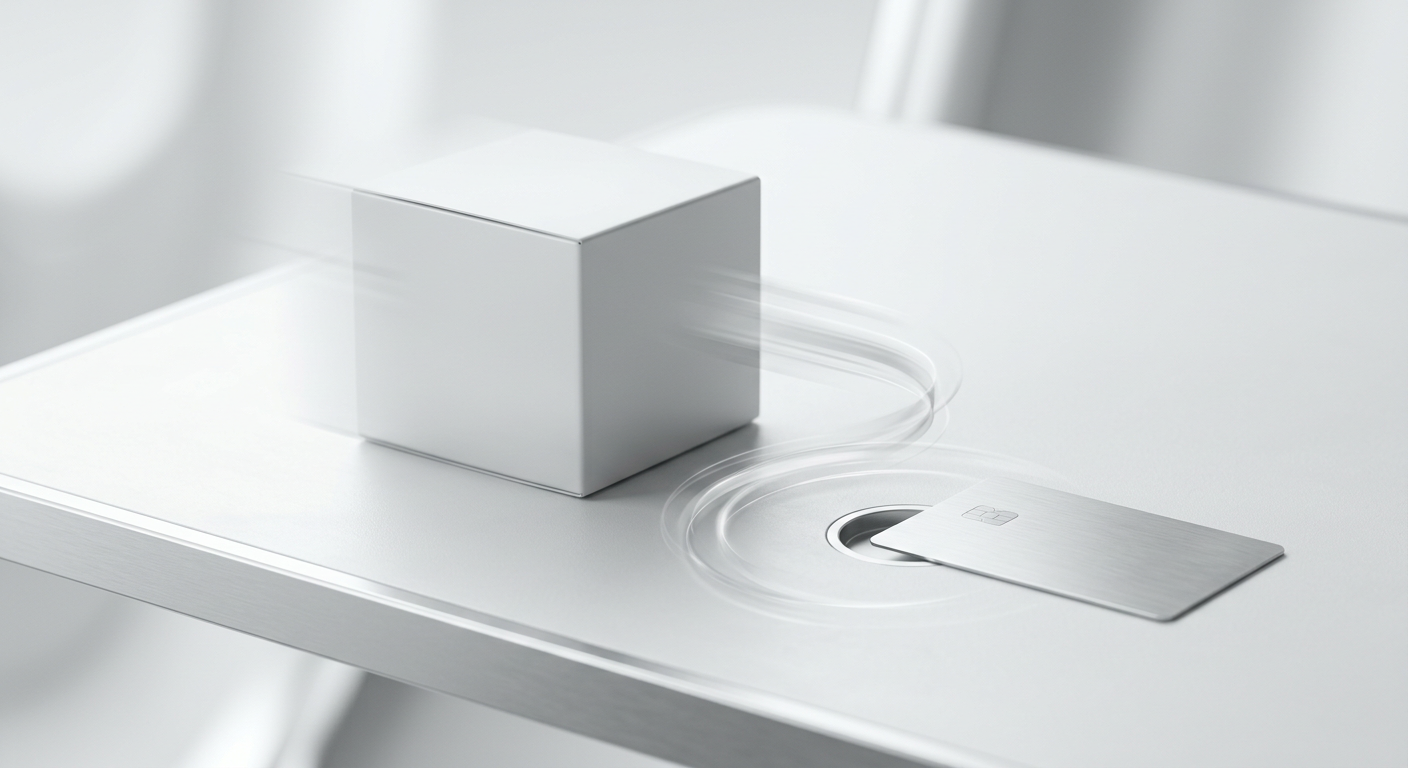
You do not always lose money because you made a terrible decision.
Sometimes you lose money because the decision moved too fast.
You see something. You feel the pull. You tap once or twice. Then the confirmation screen appears, and only after that do you fully meet the question: wait, did I even want that?
That is what one-click checkout changes.
It does not create every impulse purchase from scratch. But it shortens the path between urge and ownership so much that your reflective brain barely gets a turn.
If online shopping feels weirdly hard to interrupt, fast checkout may be doing more of the work than you think.
What one-click checkout actually changes
One-click checkout is not just a convenience feature. It is a decision-speed feature.
By saving your card, shipping, and account details, it removes the small steps that used to slow a purchase down. No card to fetch. No billing form to fill. No pause while typing your address. No second glance at the total while your hands are busy.
That matters because those tiny moments were not useless friction. They were often the last few seconds where a passing urge could cool off.
Without them, shopping can start to feel less like choosing and more like sliding.
You move from "maybe" to "ordered" before the rest of your mind catches up.
Why speed makes impulse buying more likely
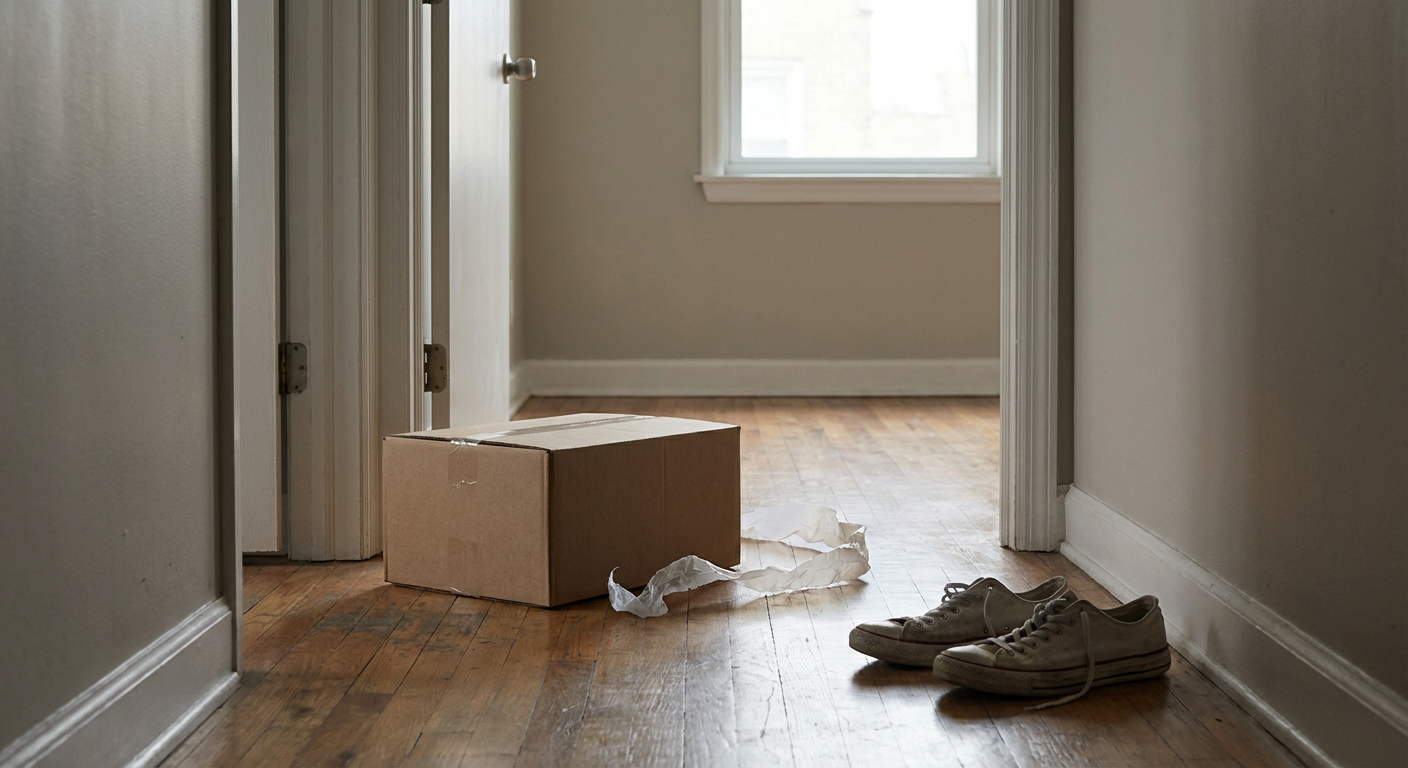
Impulse buying does not always need a stronger reason. A lot of the time, it just needs fewer interruptions.
Fast checkout helps in a few specific ways.
1. It keeps you inside the emotional moment
Most impulse purchases begin in a feeling state, not a spreadsheet state.
You are stressed. Restless. Bored. Reward-hungry. A little numb. Maybe just tired enough to want the fastest possible version of relief.
If checkout takes time, that emotional wave has more room to pass. If checkout is instant, the feeling can carry the whole purchase over the line before a calmer thought shows up.
2. It hides the pain of paying
Part of spending less is actually feeling the spend.
Typing your card details, reviewing shipping, or seeing the full total gives the purchase a little weight. One-click systems strip some of that weight away. The item stays vivid. The cost fades into the background.
That does not make you irrational. It makes you human inside a design that is trying to feel effortless.
3. It removes the micro-frictions that protect future you
A lot of good decisions happen in tiny spaces.
The second where you notice the tax pushed the total higher than expected. The annoyance of having to stand up and get your wallet. The extra screen that makes you ask whether you still care enough to continue.
Those moments are small, but they matter. They give future you a chance to vote.
4. It turns convenience into momentum
Convenience sounds neutral. Sometimes it is. But in shopping, convenience often becomes momentum.
Once the product is in front of you and checkout is immediate, the path of least resistance is to keep moving. That is especially true when you are emotionally off-center.
Momentum is powerful because it does not feel dramatic. It feels normal.
Signs one-click checkout is part of your spending problem
Not every saved card is an issue. But if impulse buying keeps happening online, fast checkout may be part of the pattern.
A few clues:
The regret shows up right after purchase
If the clearest doubt arrives after the order confirmation, the purchase probably moved faster than your real decision did.
You buy more when you are tired, stressed, or on your phone
Fast checkout is most dangerous when your brain is already depleted.
In those moments, even a small barrier can help. When that barrier is gone, your lowest-energy self gets too much buying power.
You tell yourself it was basically automatic
People often say things like:
- "I barely even thought about it."
- "It happened so fast."
- "I was just tapping through."
- "I knew I shouldn't, but I was already there."
That language matters. It suggests the purchase happened inside momentum, not clarity.
You keep buying small things that do not feel serious enough to question
One-click systems are perfect for turning low-stakes urges into repeated spending.
A small home item. A skin-care restock you did not need yet. A random upgrade. A cheap gadget that looks harmless on its own.
Nothing feels big enough to justify a full internal debate, so the purchase slips through.
How to add friction back without making life miserable
You do not need to turn shopping into a punishment ritual. You just need to restore enough pause-time for your mind to come back online.
Remove saved payment details from your highest-risk apps
If there are one or two places where you tend to impulse buy, start there.
Delete the saved card. Log out after purchases. Make the checkout path slightly more annoying in the exact places where you are most likely to buy emotionally.
Move shopping apps out of your reflex zone
Do not keep the temptation one thumb away.
Take shopping apps off your home screen. Put them in a folder. Sign out. Turn off promotional notifications. Anything that breaks the smoothness of urge-to-buy helps.
Use a pause list instead of a cart
Carts are designed to move forward.
A pause list has a different job. It holds the item without quietly pushing you toward ownership. If you still want it tomorrow, next week, or after a better night's sleep, you can come back with a clearer head.
Create a purchase rule for tired or emotional moments
For example:
- no one-click purchases after 9 p.m.
- no buying while lying in bed
- no checkout on bad-news days
- no purchasing until the item has sat for 24 hours
These rules are not about becoming rigid. They are about noticing when your decision quality is usually worst.
Use work-hours framing before instant purchases
One-click checkout works partly because the cost stays abstract.
A product page keeps your attention on the thing. The fast payment flow helps you skip over what the price means in real life.
That is where work-hours framing helps.
Instead of asking, "Can I afford this?" ask:
- How many hours of my life does this cost?
- Would I still want it if checkout were not instant?
- Am I buying the item, or buying speed, relief, and novelty?
- Will this feel worth the work once the urge is gone?
Those questions slow the purchase down in the right way. They put your time back into the picture.
If you want help doing that before fast checkout takes over, paus helps you turn prices into work hours and put a purchase on pause before convenience turns into regret.
Convenience is not the same as clarity
One-click checkout is good at one thing: reducing time between desire and payment.
That can be useful when you already know what you want and have chosen it calmly.
It is a problem when the speed becomes the reason the purchase happens at all.
You are not weak because fast checkout works on you. It is built to remove exactly the little moments that help people reconsider.
The goal is not to reject convenience forever. It is to notice when convenience is quietly stealing reflection.
If you want a calmer way to put space back before you buy, try paus. It helps you slow the moment down, see what a purchase costs in work hours, and decide with more intention.
FAQ
Does one-click checkout really increase impulse buying?
It can. One-click checkout shortens the distance between urge and payment, which means there is less time for doubt, cost awareness, and future-self thinking to enter the decision.
Why do I regret online purchases right after I buy them?
Often because the purchase moved faster than your reflection did. The emotional part of you completed the order, and the reflective part arrived a few seconds later.
Should I delete all my saved cards?
Not necessarily. It helps to remove saved payment details in the places where you are most likely to impulse buy. You can stay practical and still protect yourself where the pattern is strongest.
What is the best way to slow down online spending?
Add friction where you usually buy fast: remove saved cards, use a pause list, avoid late-night checkout, and turn the price into work hours before you decide.